Five habits, five minutes each, no supplements or subscriptions required. This piece breaks down the science of morning light, post-meal walking, cold water, overnight fasting windows, and nasal breathing—not as trends, but as measurable inputs your cells respond to daily. None of it is complicated. Most of it is just easy to skip.
I opened my laptop before I opened the curtains. Sat down, answered two emails, drank half a coffee — and only noticed forty minutes later that the room was still dim, blinds shut, sun already up outside doing nothing for me. This happens more than I’d like to admit. The habit I’m about to describe is the one I’m worst at, which is partly why I started paying attention to it.
Cellular longevity sounds like a lab word, something that belongs in a supplement ad. It isn’t. It’s mostly about timing — when you eat, when you move, when you let your eyes see daylight, when your body cools down. None of the five habits below require money. They require remembering to do them, which turns out to be the harder part.
The Light You’re Skipping by Checking Your Phone First
Your eyes contain light-sensitive cells that talk directly to a cluster of neurons in the brain called the suprachiasmatic nucleus — the body’s master clock. When morning light hits those cells, it sets a timer. Roughly sixteen hours later, melatonin production ramps up and you get sleepy on schedule. Skip the light, and that timer drifts.
Five to ten minutes outside, within the first hour of waking, no sunglasses, is the rough target. Overcast counts — outdoor light on a cloudy day is still many times brighter than indoor lighting, even with every lamp in your house on. (I learned this the hard way after weeks of “getting light” by sitting near a window, which, in fairness, does almost nothing compared to actually stepping outside.)
The mechanism matters more than the mood here. This isn’t about feeling zen at sunrise. It’s about anchoring a hormonal clock that governs cortisol, melatonin, and dozens of downstream repair processes that happen while you sleep.
Walking Off the Meal Instead of Sitting With It
Blood sugar spikes after eating are normal. How long they stay elevated is the part that matters. When you walk — even slowly — your muscles pull glucose out of the bloodstream without needing extra insulin to do it, because moving muscle tissue can take up sugar through a separate pathway entirely. That’s the whole trick. No app, no tracking necessary, though I did try tracking mine for two weeks and mostly just confirmed what the studies already said.
Ten minutes is enough to blunt a glucose spike meaningfully. Twenty is better if you have it. The habit that actually sticks, in my experience, is looser: dishes go in the sink, shoes go on, one loop around the block. Skip a day, it’s fine. Skip a month and the difference compounds — repeated glucose spikes contribute to the kind of low-grade vascular wear that shows up decades later as something with a worse name.
Ending Warm With Cold, on Purpose
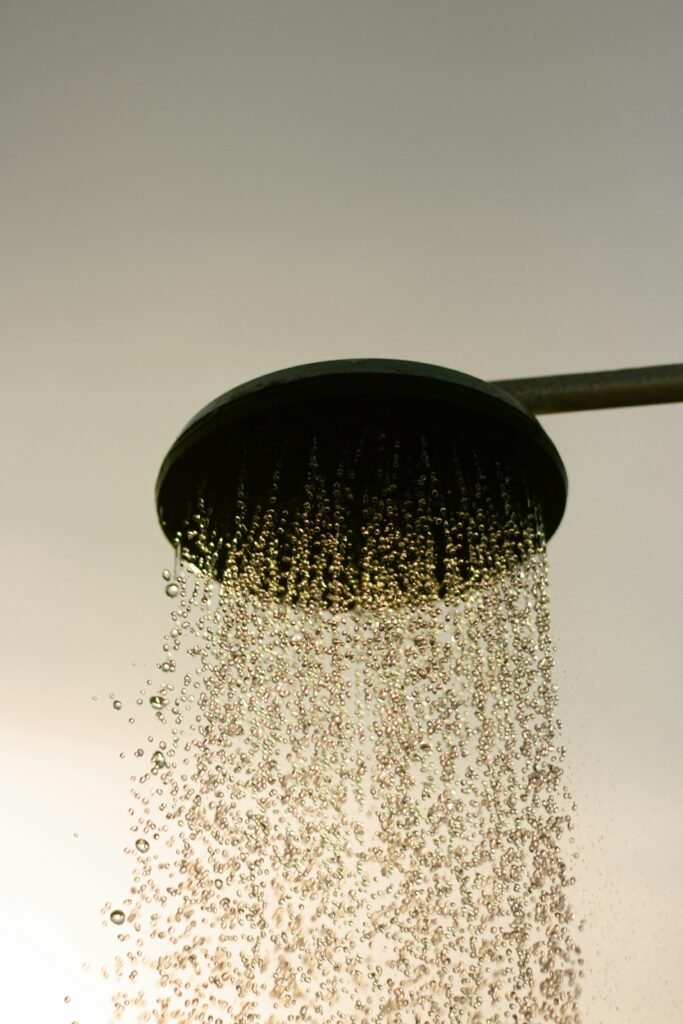
This is the one people resist, understandably, because it sounds unpleasant and is, for about fifteen seconds. The last thirty to sixty seconds of a shower, turned cold, triggers what’s called a hormetic response — a small, controlled stress that the body overcorrects for, coming out stronger on the other side. Norepinephrine rises. Circulation shifts. Nothing catastrophic happens; that’s the point.
I was skeptical of this one specifically. It read like a productivity-bro trend, the kind of thing that gets attached to ice baths and cold plunges and expensive tubs you fill with bags of ice. The at-home version is none of that — it’s just the last minute of a shower you were already taking, water turned as cold as your tap allows. No equipment. No ice.
The habit doesn’t need to be dramatic to work. Full-body cold plunges have more research behind them for things like inflammation markers, but the fifteen-to-sixty-second shower version is the version people actually keep doing, which arguably matters more than the version with better numbers on paper.
Letting the Digestive System Actually Stop
Here’s a fact most people don’t think about: digestion doesn’t run quietly in the background all day and night regardless of what you eat. It has an active phase and a rest phase, and the rest phase is when a separate process called autophagy — cellular cleanup, essentially, cells breaking down and recycling their own damaged parts — ramps up. That process needs an extended gap without incoming food to get going properly.
A twelve-hour overnight window between your last bite and your first bite the next day is enough to nudge this along, without requiring anything close to a structured fasting protocol. Dinner at 7, breakfast at 7. That’s it. Twelve hours, not sixteen, not eighteen — the research on the shorter, more sustainable window is honestly more convincing for most people than the longer versions everyone talks about.
I didn’t hit twelve hours consistently until I stopped eating “one more thing” standing at the counter after dinner was technically over. That was the actual obstacle. Not willpower — just an unacknowledged second dinner happening most nights around 9pm.
Breathing Through Your Nose, Which Is Doing More Than You Think
Nasal breathing filters, warms, and humidifies air before it reaches the lungs, and it increases nitric oxide production — a molecule that helps widen blood vessels and improve oxygen delivery throughout the body. Mouth breathing skips all of that. It also tends to correlate with shallower breathing overall, which under-oxygenates tissue in small, cumulative ways.

| Habit | Time cost | What it changes |
|---|---|---|
| Morning sunlight | 5–10 min | Resets circadian hormone timing |
| Post-meal walk | 10–20 min | Clears blood glucose via muscle uptake |
| Cold shower finish | 15–60 sec | Triggers hormetic stress response |
| 12-hour eating window | 0 min, just timing | Enables cellular cleanup (autophagy) |
| Nasal breathing | Passive, all day | Raises nitric oxide, improves oxygen delivery |
The habit itself is nearly invisible — just closing your mouth, most of the day, and especially during exercise or sleep, where mouth breathing quietly undoes a lot of the benefit of the workout or the rest you’re trying to get. Taping the mouth shut at night is a real technique some people use; I have not tried it and can’t speak to it either way.
Building a Morning That Doesn’t Cost Anything
Editor’s Note: The habit everyone wants to skip is the cold shower, and it’s also the one with the weakest standalone evidence of the five. Skip it if you hate it. The light exposure and the eating window matter more and cost you nothing but attention — start there, not with the thing that sounds hardest.
None of this needs a routine app, a wearable, or a subscription. It needs five small adjustments layered into a day that’s already happening.
- Before you sit down at a screen: step outside for five to ten minutes, no sunglasses.
- After the first bite of a meal: plan for a ten-minute walk somewhere in the next hour, dishes can wait.
- At the end of a shower you’re already taking: finish thirty to sixty seconds cold.
- Between dinner and breakfast: hold a twelve-hour gap, no midnight second dinner.
- All day, without much effort: keep the mouth closed, breathe through the nose, especially during exercise or sleep.
This article describes general wellness practices and is not a substitute for individualized medical advice — check with a doctor before making significant changes if you have an existing health condition, particularly around fasting windows or cold exposure.
Leave a Reply