A generation raised on optimization apps and morning-routine content is quietly walking away from both. In its place: sourdough starters left to breathe on countertops, hand-knit scarves worked one row at a time, and dinners eaten without a phone in sight. The nonna era isn’t nostalgia — it’s a physiological correction, a slow rebuilding of attention and rest through the oldest tools a kitchen or a windowsill can offer.
A Culture Exhausted by Its Own Optimization
For most of the last decade, self-improvement content moved in one direction: faster mornings, denser schedules, more measurable output. The 5 AM Club, the cold plunge before sunrise, the seventeen-step skincare routine timed to the minute — all of it promised control, and all of it demanded constant vigilance. Somewhere around 2024 and 2025, a quieter counter-movement began surfacing across social platforms, one that didn’t ask people to optimize harder but to stop optimizing altogether. Under hashtags like #NonnaMaxxing and #GrandmaAesthetic, young adults began documenting a different kind of morning: one spent proofing dough, watering herbs on a windowsill, or darning a sock by hand. There was no productivity metric attached. The appeal wasn’t efficiency — it was the opposite.
This is less a nostalgia trend than a course correction. The habits being revived — slow-simmered sauces, hand-mended linens, unhurried Sunday cooking — belonged to grandmothers not because they were quaint, but because they were the default domestic rhythm before convenience culture and, later, productivity culture rewired daily life around speed. What’s notable is who’s reviving them: a generation that grew up entirely inside the optimization economy, now reaching backward for its opposite.
Why the Body Responds to Repetitive Tactile Work
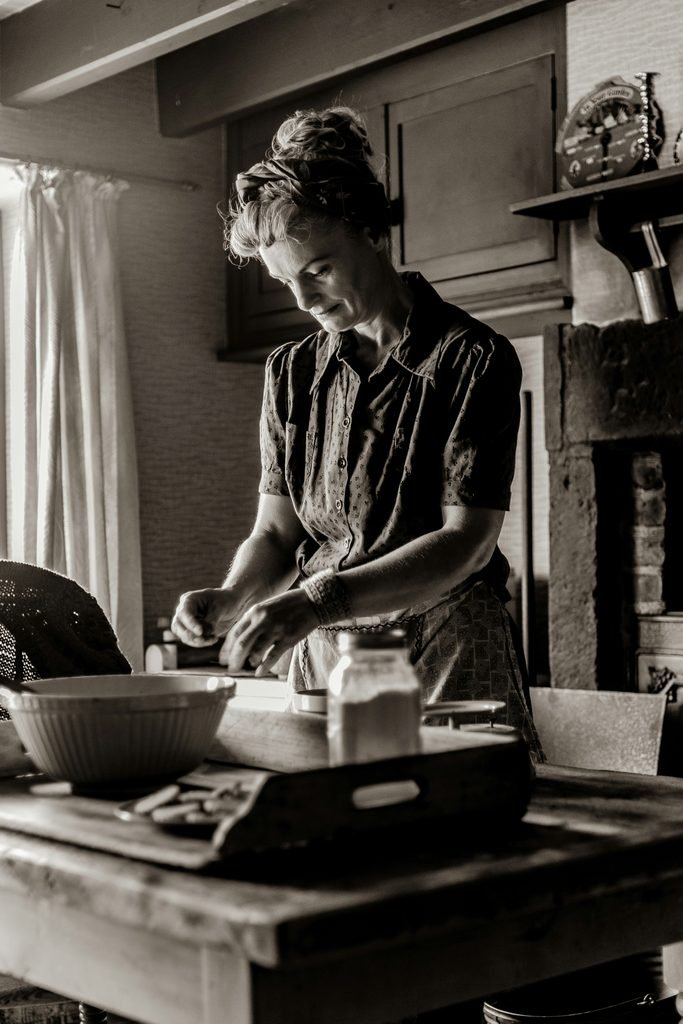
The appeal of these rituals isn’t purely aesthetic. There’s a practical, somatic logic to why kneading dough or knitting a row of stitches feels different from scrolling a to-do list. Repetitive, rhythmic hand movements — the kind involved in kneading, rolling, folding, or looping yarn — engage what researchers describe as bilateral, predictable motor patterns. This kind of tactile, kinesthetic labor is thought to support parasympathetic activity, the branch of the nervous system associated with rest and digestion rather than alertness and threat response. In plainer terms: the hands doing slow, familiar work may help cue the body that it is safe to downshift.
Somatosensory research on touch and proprioception suggests that predictable, self-paced physical tasks can ease the kind of low-grade hypervigilance that builds up over a day of notifications and open browser tabs. Some researchers have connected this to reduced amygdala reactivity — the amygdala being the brain’s threat-detection center, which tends to quiet down when the nervous system registers repetition, rhythm, and a lack of immediate demand. This is a meaningful distinction worth holding carefully: the research describes tactile focus as something that may support nervous system rest, not something that treats or resolves clinical anxiety or burnout. The lifestyle trend and the underlying science are related but not identical, and it’s worth keeping the two separate rather than treating a cultural aesthetic as a clinical intervention.
What’s consistent across this body of research is the emphasis on unhurried pacing. A task done quickly, against a timer, doesn’t produce the same effect as one done at its own natural speed. This is part of why sourdough — a process that cannot be rushed, that requires waiting on fermentation over hours or days — has become such a central symbol of the trend. The dough sets the pace. The person has to adjust to it, not the other way around.
The Domestic Rituals Driving the Movement
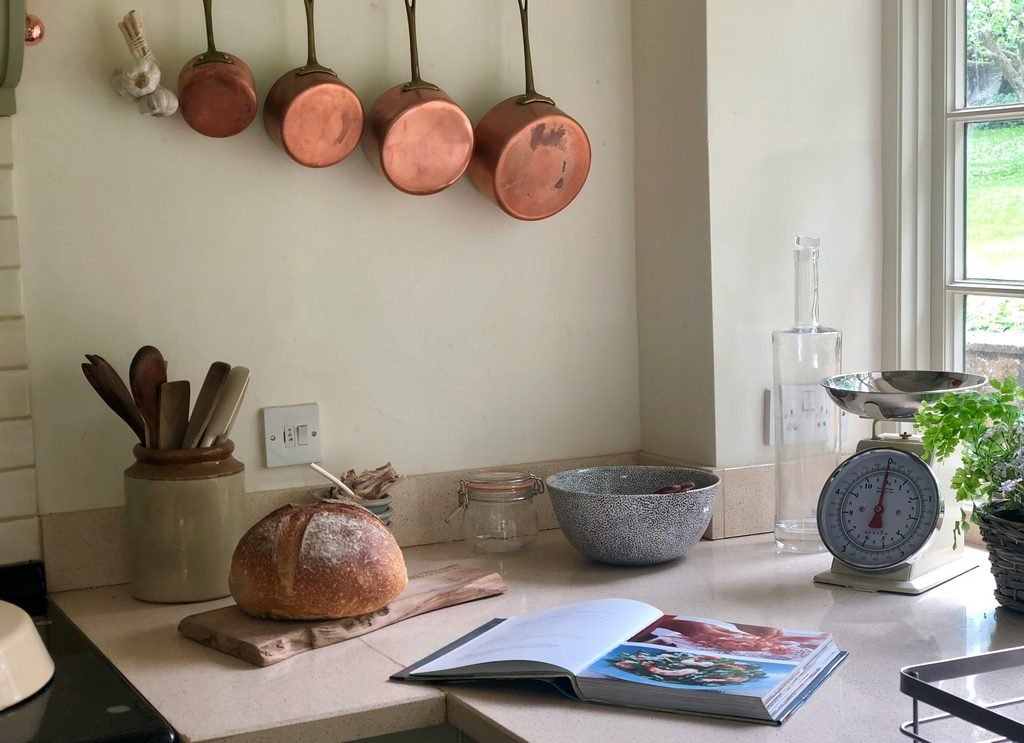
Bread and dough as a daily anchor. Sourdough’s slow rise, the folding and resting, the long stretches where nothing visibly happens — all of it runs counter to a culture built around instant results. Bakers in this movement often describe the waiting itself as the point, not an obstacle to it. There’s no shortcutting fermentation, which is precisely why it appeals to people trying to unlearn the instinct to rush everything.
Hand knitting and mending. Unlike a finished sweater bought in minutes online, a hand-knit one accumulates slowly, row by row, over evenings. Menders describe darning a worn sock or patching a hem as a small act of care directed at an object rather than an outcome — there’s no algorithm to satisfy, only the stitch in front of you. The bilateral hand motion involved echoes the same rhythmic, predictable pattern linked to easing overstimulation.
Window herb gardens and small-scale growing. Tending a few pots of basil or rosemary on a sill doesn’t require a yard or a season of planning — it asks for a few minutes of attention each day: checking soil moisture, snipping what’s needed for dinner, noticing new growth. This kind of low-stakes, incremental care is part of what distinguishes nonna-era gardening from the more ambitious homesteading trends that preceded it. It’s modest by design.
Slow, from-scratch cooking without shortcuts. Making a sauce that simmers for hours, rolling pasta by hand, or reducing a broth overnight reintroduces cooking as a process rather than a transaction. It stands in direct contrast to the meal-optimization content — batch-prepped, macro-counted, assembled in under ten minutes — that dominated wellness feeds for years prior.
Distinguishing the Trend From the Science
It’s worth being precise here, because the two threads of this movement are often blurred together online. #NonnaMaxxing and #GrandmaAesthetic are cultural and aesthetic phenomena — a visible shift in what young adults are choosing to film, discuss, and aspire to, observable in the kinds of content gaining traction on social platforms. The somatic and cognitive research on tactile, repetitive movement is a separate and older body of work, developed independently of any lifestyle trend, that explores how the nervous system responds to rhythm, predictability, and touch. The trend borrows credibility from the research, but the research was never designed to validate a hashtag. Readers are better served by holding both as true and distinct: the cultural movement is real and worth taking seriously as a signal of collective exhaustion with hyper-productivity, and the science offers a plausible, though still generalized, explanation for part of why these rituals feel good — not a guarantee of any specific outcome.
Micro-Nonna Habits for an Ordinary Week
The appeal of this movement, for many, isn’t in dramatic lifestyle overhauls but in small, repeatable adjustments to an otherwise ordinary week. A few starting points:
- Cook one meal a day without a screen nearby. No podcast, no show in the background — just the sound of the pan and the task itself.
- Eat at least one meal seated, unhurried, without scrolling. Even fifteen minutes of undistracted eating changes the pacing of a day.
- Keep one small tactile project going at all times — a half-finished scarf, a jar of sourdough starter, a few herb pots — something to return to in spare minutes rather than reaching for a phone.
- Build in an analog wind-down before bed. Folding laundry by hand, writing a few lines in a notebook, or mending something small in low light, away from screens.
- Let one task each day take longer than it needs to. Choose the slower method on purpose — hand-whisking instead of an electric mixer, walking instead of driving a short distance — as a small, deliberate act of unhurrying.
Editor’s Note: The nonna era isn’t a productivity hack in disguise, and it shouldn’t be treated as one. Its value lies precisely in its refusal to be measured — there’s no streak to maintain, no metric to hit. Approach these habits as small, sensory anchors in an otherwise accelerated week, not as another self-improvement checklist to complete.
Leave a Reply