Persistent redness, stinging upon product application, and sudden dryness are clear indicators of a compromised skin barrier. Instead of layering more active ingredients, fast recovery requires a simplified “skincare diet” that focuses on essential lipids. By removing harsh exfoliants and reinforcing your natural lipid mantle, you can restore smooth, resilient skin within weeks.
You bought the serum everyone recommended. You added the “holy grail” moisturizer. You even invested in the toner with rave reviews. And yet, your skin stings the moment product touches it. It feels tight by midday, oily by evening, and inexplicably fragile no matter how much you hydrate.
This isn’t a product problem. It’s a barrier problem.
More skincare doesn’t always mean healthier skin — sometimes it means the opposite. When your skin barrier is compromised, even gentle formulas can feel like they’re working against you. Understanding what’s actually happening beneath the surface is the first step toward calming things down, for good.
How the Skin Barrier Works: A Simple Explanation
Think of your skin’s outermost layer as a wall built from cells and lipids, working together to keep moisture in and irritants out. Skin cells act like bricks, while natural lipids — including ceramides, cholesterol, and fatty acids — act like mortar, holding everything tightly in place.
When this lipid mortar is intact, water stays locked inside your skin, and external aggressors like pollution, bacteria, and harsh ingredients stay out. This is often called the skin’s moisture barrier or lipid mantle.
But over-cleansing, excessive exfoliation, harsh actives, or environmental stress can strip away these lipids. Once the mortar breaks down, the wall becomes porous. Moisture escapes rapidly, irritants sneak in easily, and your skin shifts into a constant state of alert — reactive, inflamed, and unpredictable.
This is the essence of a damaged skin barrier: not a lack of product, but a structural breakdown that no amount of layering can fix on its own.
3 Telltale Signs Your Skin Barrier Is Damaged
1. Stinging or Burning With Basic Products
If a simple moisturizer or even plain water causes a stinging sensation, that’s a major red flag. A healthy barrier shouldn’t react painfully to gentle formulas.
2. Tightness Paired With an Oily Surface
This paradox confuses many people. Skin can feel dehydrated and tight while still appearing shiny or greasy. This happens because your skin overproduces oil to compensate for lost moisture — a classic barrier distress signal.
3. Unusual Redness, Flaking, or Rough Texture
Persistent redness, visible flaking, or a rough, uneven texture that wasn’t there before often indicates inflammation and moisture loss at the barrier level, rather than a typical dry patch.
Ceramides vs. Hyaluronic Acid: Which Does Your Barrier Need?
Both ingredients are hydration powerhouses, but they work in fundamentally different ways — and knowing the distinction matters for damaged skin barrier signs and recovery.
| Feature | Ceramides | Hyaluronic Acid |
|---|---|---|
| Primary Function | Rebuilds the lipid “mortar” between skin cells | Draws and holds water within the skin |
| Barrier Impact | Directly repairs and reinforces the barrier structure | Supports hydration but does not rebuild lipids |
| Best For | Sensitive, compromised, or actively damaged skin | Dehydrated but structurally healthy skin |
| Texture/Feel | Richer, occlusive, slightly heavier | Lightweight, gel-like, fast-absorbing |
| Optimal Usage | Daily, especially during barrier repair phases | Layered under moisturizer for extra hydration |
| Risk of Irritation | Very low; well-tolerated by reactive skin | Low, but can dehydrate skin in dry climates if used alone |
In short: hyaluronic acid hydrates, but ceramides repair. When your barrier is compromised, ceramides should be the priority — hyaluronic acid works best as a supporting layer once the barrier structure is stabilized.
The “Skincare Diet”: A 3-Step Routine to Reset Your Barrier
When your skin is struggling, less truly is more. A “skincare diet” strips your routine down to essentials, giving your barrier space to heal without added stress.
Step 1: A Gentle, Non-Stripping Cleanser
Choose a low-foam, pH-balanced cleanser that removes impurities without disrupting natural oils. Avoid hot water and vigorous scrubbing.
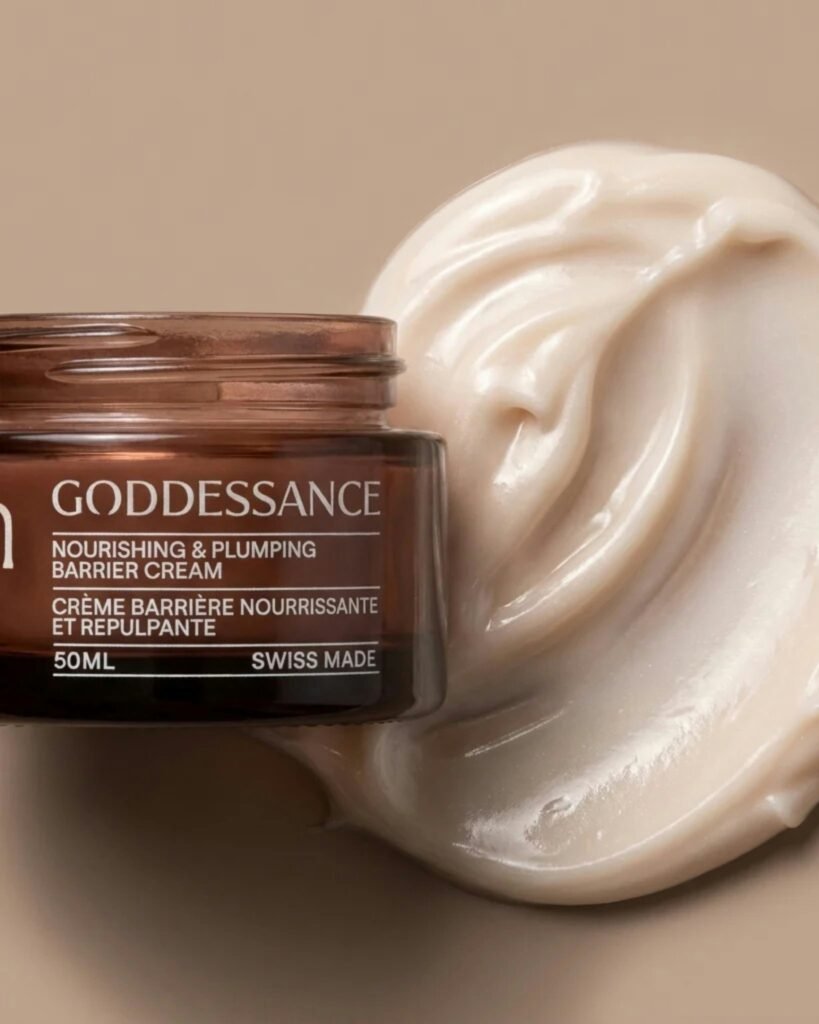
Step 2: A Lipid-Rich, Ceramide Moisturizer
Apply a moisturizer formulated with ceramides to directly replenish the lipid mortar. Look for minimal-ingredient formulas free of fragrance and alcohol.
Step 3: Physical Sun Protection
Use a mineral (physical) sunscreen daily. Damaged skin is more vulnerable to UV-triggered inflammation, and physical filters tend to be gentler than chemical alternatives during recovery.
During this reset phase, pause:
- Exfoliating acids (AHAs/BHAs)
- Retinoids
- Vitamin C
- Fragranced or alcohol-heavy products
Give your skin this simplified routine for at least two to four weeks before reintroducing actives one at a time.
RAWZY’s Verdict & Quick Routine Guide
Timeline for Structural Barrier Recovery
- The Two-Phase Healing Cycle: Barrier restoration isn’t an overnight fix—it follows the natural epidermal turnover timeline:
- Weeks 2–4 (Surface Relief): Redness, tightness, and trans-epidermal water loss (TEWL) begin to calm as surface lipids replenish.
- Weeks 6–8 (Full Structural Repair): The stratum corneum fully restores its intercellular lipid matrix and acid mantle density, rebuilding natural resilience against external irritants.
Pausing Actives: The “Skincare Diet” Protocol
- Eliminate Friction to Fast-Track Healing: Continuing high-potency actives on a compromised barrier is like trying to heal a wound while rubbing it daily.
- Temporary Pause: Immediately suspend potent actives—including L-Ascorbic Acid (Vitamin C), Retinoids, and exfoliating acids (AHAs/BHAs).
- Gradual Reintroduction: Reintroduce active ingredients one at a time, spaced 1–2 weeks apart, only after your baseline skin feels calm, hydrated, and completely sting-free for a full week.
Editor’s Note: When your barrier is broken, less is always more. Strip your routine down to three non-negotiables: a low-pH gentle cleanser, a ceramide-rich barrier cream, and broad-spectrum SPF.
Disclaimer: The content provided on RAWZY magazine is for informational and educational purposes only and does not constitute professional medical, health, or financial advice. Always consult with a qualified professional or healthcare provider before making any lifestyle, supplement, or health changes.
Leave a Reply