Sudden late-night hunger is rarely a demand for calories; it is usually your body’s signal for hydration or restorative sleep. Dehydration throughout the day and appetite hormone disruptions caused by fatigue trick the brain into craving high-energy snacks before bed. By identifying these false hunger signals and adopting a soothing evening drink routine, you can curb night cravings naturally.
It happens almost every night. Dinner is finished, the kitchen is clean, and yet somewhere around ten o’clock, the pantry starts calling. This is not a personal failing or a lack of willpower — it is one of the most common, and most misunderstood, patterns in modern wellness. Late-night cravings are less about the food itself and more about a body quietly asking for something else entirely. Understanding why hungry before bed actually happens is the first step toward a calmer, more intentional evening routine.
The Hidden Physiology: Why Your Body Demands Food at Night
Most people assume nighttime hunger means the body needs fuel. In reality, two quieter mechanisms are usually at play.
Daytime dehydration. Across a busy day, water intake often falls behind without anyone noticing. The brain’s thirst and hunger signals travel through overlapping pathways, so mild dehydration can be misread as a need to eat rather than a need to drink. By evening, this accumulated gap often surfaces as a craving.
Sleep hormone imbalance. Appetite is regulated largely by two hormones: ghrelin, which signals hunger, and leptin, which signals fullness. When sleep is short, irregular, or low quality, ghrelin rises and leptin drops — a shift that makes the body seek quick, energy-dense food precisely when it should be winding down. This is a core piece of the broader conversation around sleep hormones and evening appetite.
Together, these two factors explain why cravings tend to spike at night even after a full day of eating.
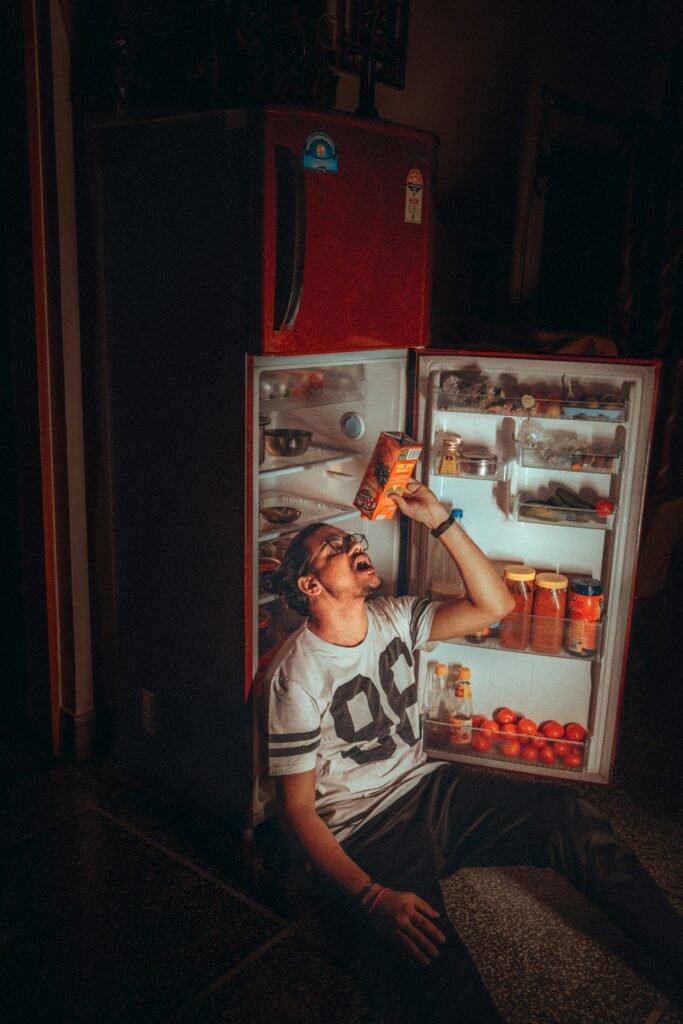
True Biological Hunger vs. Late-Night False Cravings
Not all hunger is created equal. Learning to tell the difference is the fastest way to interrupt an automatic late-night snack habit.
| Signal | True Biological Hunger | Late-Night False Craving |
|---|---|---|
| Onset | Gradual, builds over hours | Sudden, often within minutes |
| Location | Stomach (physical emptiness) | Mostly mental or emotional |
| Food preference | Open to various foods | Fixates on specific sugary or salty items |
| Response to water | Not satisfied by drinking water | Often eases after drinking water |
| Timing pattern | Follows regular meal spacing | Appears regardless of recent meals |
| Associated state | Neutral | Linked to stress, fatigue, or screen time |
3 Simple Ways to Reset Evening Appetite Signals
Small, structural changes in the day tend to outperform willpower at night.
1. Afternoon hydration tracking. Most dehydration builds silently between lunch and dinner. Keeping water visible and consistent through the afternoon — rather than catching up late in the evening — is one of the most effective ways to prevent how to stop late night cravings from becoming a nightly struggle.
2. Swapping snack routines for calming herbal drinks. Instead of reaching for the pantry, replace the habitual reach with a warm, caffeine-free beverage such as magnesium-infused botanical tea or chamomile. These options address the ritual of “having something” without introducing sugar or excess calories.
3. Creating a strict sensory sleep boundary. Dimming lights, stepping away from screens, and setting a consistent wind-down time all support the hormonal balance that keeps ghrelin and leptin in check. A predictable sensory cue tells the body it’s time to rest, not refuel.

Curated Evening Beverages to Soothe Late-Night Cravings
A short list of minimalist, zero-calorie options that support relaxation rather than digestion overload:
- Chamomile tea — traditionally associated with calm and ease before sleep
- Warm magnesium-infused botanical tea — supports muscle and nervous system relaxation
- Lemon balm infusion — a gentle, caffeine-free option with a soft, soothing flavor
- Warm water with a few mint leaves — simple, hydrating, and unsweetened
These night eating remedies work by giving the body a warm, comforting ritual — filling the emotional gap a snack often fills, without the metabolic cost.
RAWZY’s Verdict & Quick Routine Guide
Pre-Bed Hunger & Digestive Load
- Genuine Need vs. Habitual Snacking: Going to bed with severe hunger pangs can elevate cortisol and disrupt sleep architecture, but heavy nocturnal digestion does the exact same thing.
- The Balanced Choice: If genuine hunger hits late, opt for a small, low-glycemic option—such as a handful of almonds or a small piece of fruit paired with healthy fats—that won’t trigger a massive overnight insulin spike.
- Timing Buffer: Finish any light snack at least 45 to 60 minutes before lights-out to give your digestive tract time to settle into nocturnal baseline mode.
The Biology of Nighttime Sugar Cravings
- Fatigue-Driven Dopamine Seeking: Craving high-sugar, high-carb foods late at night isn’t a failure of willpower—it’s a physiological response to fatigue.
- Hormonal Shifts: As tired systems run low on energy, ghrelin (the hunger hormone) climbs while leptin (the satiety hormone) drops, signaling the brain to seek rapid-release glucose.
- The Fast-Energy Trap: Refined carbs offer the fastest dopamine and glucose release available to a fatigued nervous system. Recognizing this mechanism allows you to preempt cravings by eating balanced, protein-dense dinners.
Editor’s Note: Late-night cravings are usually a signal that your daytime energy or meal timing was off. Fix your daytime protein and fiber distribution, and the midnight pantry runs naturally subside.
Disclaimer: The information provided in this article is for educational and informational purposes only and does not constitute nutritional or medical advice. Always consult a qualified healthcare provider regarding chronic metabolic or eating concerns.
Leave a Reply