Morning facial bloating is primarily caused by fluid accumulation overnight due to gravity, sodium intake, or sluggish lymphatic circulation. You don’t need expensive treatments to restore a sharp, refreshed look. Combining gentle cold therapy with targeted manual circulation techniques can visibly reduce swelling in under five minutes.
There’s a particular kind of quiet panic that comes with catching your reflection on a morning that matters — a job interview, a first date, a video call you can’t reschedule — and finding a face that looks softer, rounder, and less awake than you feel. The eyes seem smaller. The jawline has gone quiet. It’s not your imagination, and it’s not a sign that something is wrong with your skin.
This is one of the most common and most temporary forms of facial change a body produces. Understanding why it happens is the first step to reversing it quickly — and the good news is that the fix rarely requires more than a few minutes, a cold surface, and your own two hands.

The Physiology of Overnight Puffiness: Why Your Face Swells
Facial puffiness in the morning is less about your skin and more about fluid movement. Three quiet mechanisms work together while you sleep:
Fluid pooling from a horizontal position. During the day, gravity naturally pulls fluid downward, toward your legs and feet. At night, when you’re lying flat for seven or eight hours, that gravitational pull disappears — and fluid that would normally drain away instead settles in the face, particularly around the eyes and cheeks, where the tissue is thin and soft.
Sodium and water balance. Salt attracts and holds onto water. A salty dinner, a late snack, or simply an evening that was lower on water intake than it should have been can shift how much fluid your body retains overnight, showing up first in the face by morning.
Lymphatic stasis. Your lymphatic system is a quiet, low-pressure network that clears excess fluid and waste from your tissues, but it relies on muscle movement to keep flowing — something that stalls almost completely during sleep. Hours without movement allow fluid to sit still in the tissue instead of being carried away, a state often called lymphatic stasis.
None of these causes are alarming on their own. They’re simply the natural result of hours spent horizontal and motionless — and they’re just as reversible as they are common.
Cold Therapy vs. Lymphatic Massage: Which Depuffing Method Works Best?
Both methods are genuinely effective, but they work through different mechanisms and suit different moments. Here’s how they compare:
| Feature | Cold Therapy (Ice/Cold Compress) | Manual Lymphatic Drainage (Massage) |
|---|---|---|
| Speed of results | Nearly instant (30–90 seconds) | Gradual, builds over 2–5 minutes |
| Mechanism | Constricts blood vessels, temporarily reducing fluid flow to the surface | Physically encourages stagnant fluid to move toward drainage points |
| Best use case | Urgent, time-sensitive depuffing (e.g., before you walk out the door) | Deeper, longer-lasting reduction; ideal when you have a few extra minutes |
| Skin sensitivity | Can be intense on very reactive or rosacea-prone skin; use a barrier cloth | Generally gentle and well-tolerated, but requires light pressure to avoid irritation |
| Longevity of effect | Shorter — swelling can gradually return within an hour | Longer-lasting, since fluid is actively redirected rather than just constricted |
The takeaway: cold therapy is your emergency reset button; lymphatic massage is your more thorough, longer-lasting solution. Used together, they cover both the urgency and the depth of the problem.
4 Fast Home Remedies to Reduce Facial Bloating in 5 Minutes
1. Temperature Reset: The Cold Spoon or Ice Roller Technique
Chill two metal spoons in the freezer overnight, or keep an ice roller in the fridge. In the morning, glide the cold surface gently along your cheekbones, under-eye area, and jawline for 30–60 seconds per zone. The cold temporarily narrows blood vessels near the skin’s surface, which visibly tightens puffiness almost immediately. Always use light pressure and avoid pressing ice directly onto bare skin for extended periods.
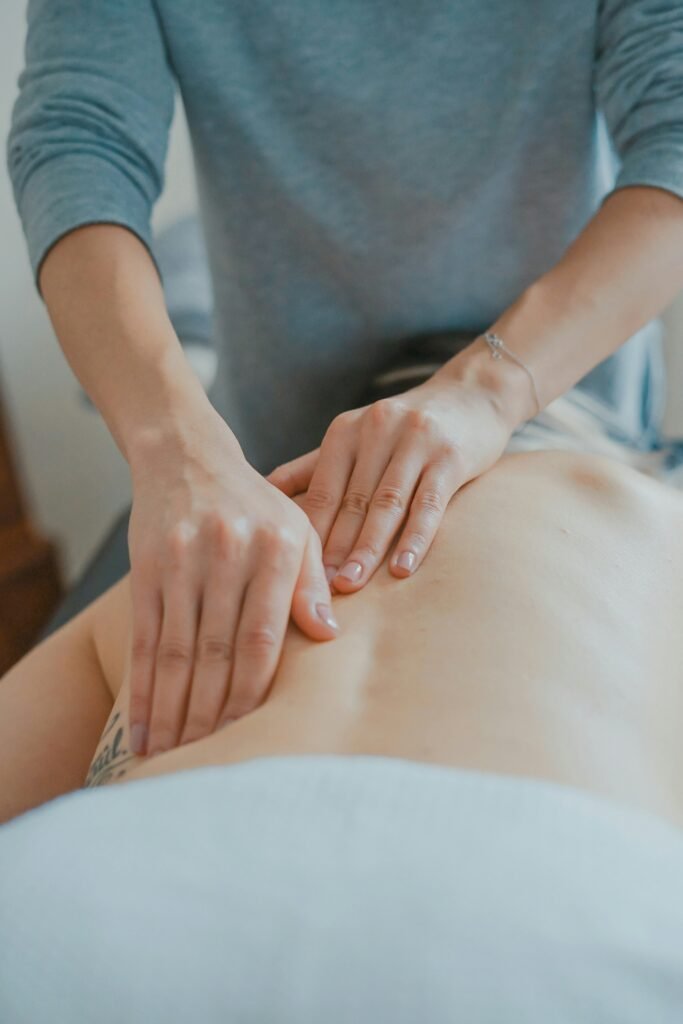
2. Gentle 2-Minute Lymphatic Drainage Strokes
With clean hands (or a facial oil for glide), use light, sweeping motions:
- Start at the center of your face and sweep outward toward your ears.
- From your ears, sweep gently down the sides of your neck toward your collarbone — this is where lymphatic fluid ultimately drains.
- Repeat each stroke 5–8 times per zone: forehead, cheeks, and jaw.
The pressure should feel like a whisper, not a rub. You’re guiding fluid, not manipulating muscle.
3. Hydration & Electrolyte Flushing
It sounds counterintuitive, but drinking water first thing in the morning helps flush excess sodium and reduce fluid retention rather than add to it. A large glass of water, optionally with a pinch of electrolytes or a slice of citrus, supports your kidneys in rebalancing fluid levels and can noticeably reduce puffiness within 20–30 minutes.
4. Upright Elevation & Gentle Circulation Exercises
Simply sitting upright and moving reverses the gravitational pooling that built up overnight. Try:
- Standing up and doing a few minutes of light movement (stretching, a short walk).
- Gentle neck rolls and shoulder shrugs to reactivate lymphatic flow near the collarbone.
- Elevating your head while finishing your morning routine, rather than staying reclined.
Preventive Habits for De-Puffed Morning Skin
A few small evening adjustments can reduce how puffy you wake up in the first place:
- Elevate your pillow slightly. Sleeping with your head a little higher than your heart helps prevent fluid from settling entirely in your face overnight.
- Mind late-night sodium. Salty snacks or heavily processed meals close to bedtime are one of the most common triggers for next-morning puffiness — save them for earlier in the day when possible.
- Time your hydration. Aim to finish most of your water intake a couple of hours before bed, rather than drinking a large amount right before sleep, to avoid both fluid pooling and disrupted rest.
Frequently Asked Questions
Q1: Is it safe to apply ice directly to puffy skin on the face?
Direct, prolonged contact with ice isn’t recommended, as it can irritate or even mildly damage sensitive facial skin. It’s best to wrap ice or a cold tool in a thin cloth and limit contact to short intervals of 30–60 seconds per area.
Q2: How long does it usually take for morning facial swelling to subside naturally?
For most people, ordinary overnight puffiness fades on its own within 30 minutes to an hour of waking up, as normal movement and gravity redistribute the fluid. Using cold therapy or gentle massage simply speeds up that natural process for a faster result.
Disclaimer: The information provided in this article is for educational and informational purposes only and does not constitute medical or dermatological advice. Always consult a qualified healthcare provider regarding persistent or unexplained facial edema.
Leave a Reply