Modern longevity science shifts the focus from basic vitamins to cellular resilience—targeting mitochondrial energy (ATP) and cellular recycling (Autophagy). Four key compounds—NAD+ precursors, Spermidine, Urolithin A, and specialized anti-inflammatory lipids—work at the organelle level to clear cellular debris and restore youthful energy. Incorporating these nutrients helps combat afternoon brain fog and sustains long-term metabolic health.
For decades, “taking your vitamins” meant a single multicolored tablet swallowed with breakfast—a broad-spectrum insurance policy against deficiency. That model isn’t wrong, exactly. It’s just no longer sufficient.
As longevity research matures, the conversation has moved from filling gaps to fueling systems. Scientists are no longer asking only “does the body have enough vitamin C?” but “are the cell’s internal power plants still generating energy efficiently?” and “is the cell still able to clean up its own waste?”
This is the emerging discipline of cellular longevity nutrition—a quieter, more precise approach that works beneath the surface, at the level of the organelle. It’s less about symptom management and more about maintaining the machinery that keeps every symptom from appearing in the first place.
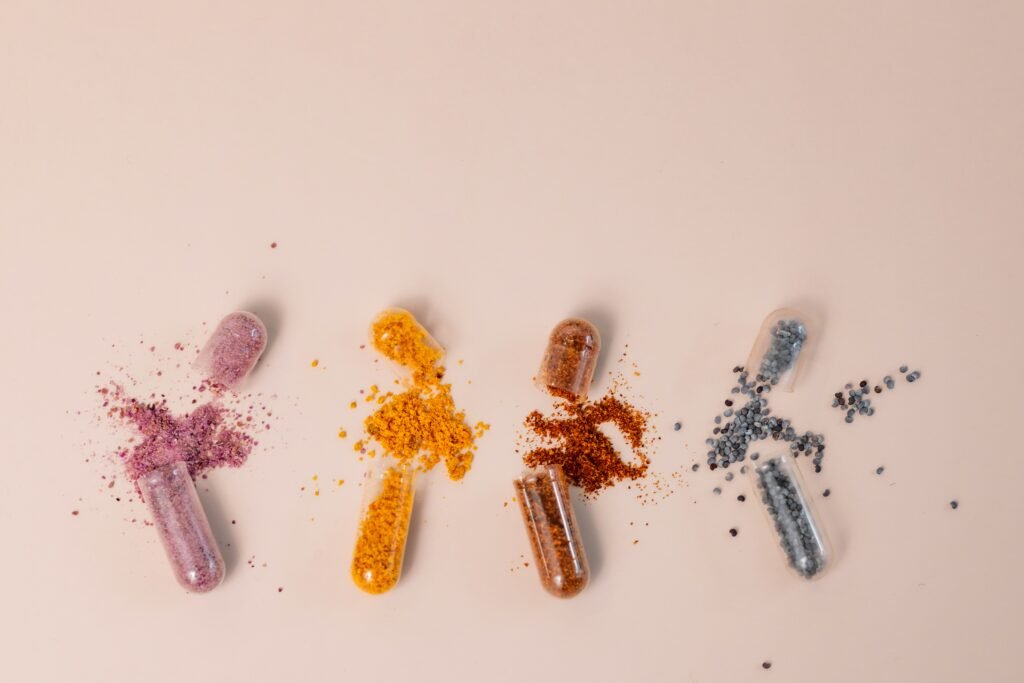
The Two Pillars of Cellular Resilience: Autophagy and ATP Energy
To understand why this shift matters, it helps to understand two core cellular processes.
Autophagy is the cell’s internal housekeeping system. Every cell continuously accumulates damaged proteins, misfolded structures, and worn-out components. Autophagy is the process by which the cell identifies this debris, breaks it down, and recycles the usable parts into fresh building material. When autophagy slows—as it naturally does with age—waste accumulates, and cellular function becomes sluggish.
Mitochondria, meanwhile, are the cell’s energy generators. They convert nutrients and oxygen into ATP (adenosine triphosphate), the molecule that powers essentially everything the body does—thinking, moving, repairing tissue, regulating mood. Mitochondria themselves also age and become less efficient over time, producing less energy and more cellular stress in the process.
Together, these two systems—waste removal and energy production—form the foundation of cellular resilience. Support both, and the cell stays adaptable. Neglect them, and the slow drift toward fatigue, mental fog, and metabolic decline begins.
The Top 4 Cellular Nutrients: Key Mechanisms Compared
Four compounds have emerged at the center of this science, each acting on a distinct part of the cellular resilience system.
| Nutrient | Primary Target | Cellular Mechanism | Key Benefit |
|---|---|---|---|
| NAD+ Precursors (NMN/NR) | Mitochondria & Energy Metabolism | Replenishes NAD+, a coenzyme essential for converting nutrients into ATP | Sustained cellular energy, reduced mental fatigue |
| Spermidine | Cytoplasm & Cellular Proteins | Activates autophagy pathways, prompting the cell to clear damaged components | Cellular renewal, healthy aging support |
| Urolithin A | Mitochondria (Mitophagy) | Triggers selective breakdown of dysfunctional mitochondria and supports formation of new ones | Improved muscle stamina, cognitive sharpness |
| High-Purity Omega-3 / Curcumin | Cell Membrane & Inflammatory Response | Reduces systemic inflammation, preserving membrane fluidity and organelle protection | Metabolic stability, cellular protection |
Deep Dive into the 4 Essential Compounds
1. NAD+ Precursors (NMN / NR): Fueling Cellular Energy Production
NAD+ (nicotinamide adenine dinucleotide) is a coenzyme that mitochondria rely on to complete the chemical reactions that generate ATP. Without adequate NAD+, energy production becomes inefficient—even when diet and sleep are otherwise well managed.
The challenge is that NAD+ levels decline steadily with age, often dropping by roughly half between early adulthood and midlife. This is one reason a consistent afternoon slump or difficulty concentrating can emerge even in people who feel generally healthy.
NAD+ precursors like NMN (nicotinamide mononucleotide) and NR (nicotinamide riboside) are compounds the body can convert directly into NAD+. By replenishing this coenzyme pool, they help mitochondria sustain more consistent ATP output—supporting steadier energy and mental clarity throughout the day rather than the encouragement to “manage” a slump.
2. Spermidine: Triggering Natural Cellular Autophagy
Spermidine is a naturally occurring polyamine found in small amounts throughout the body and in select foods. Its standout role in longevity science is its ability to activate autophagy—essentially prompting cells to begin their internal cleanup process.
As autophagy naturally slows with age, damaged proteins and cellular debris can accumulate faster than the body clears them. Spermidine helps counter this by signaling cells to resume active recycling, breaking down old components and repurposing them into fresh cellular material.
The result is less about a single dramatic effect and more about restored cellular efficiency—cells that behave more like younger, more adaptable versions of themselves.
3. Urolithin A: Rejuvenating Tired Mitochondria
Urolithin A introduces a more targeted concept: mitophagy, the selective recycling of specifically damaged or underperforming mitochondria. Rather than clearing general cellular waste, mitophagy identifies which individual power plants are no longer functioning well and removes them, making room for healthier mitochondria to take their place.
This matters most in tissues with high energy demand—muscle and brain tissue especially. When mitophagy is efficient, muscles fatigue less quickly and cognitive stamina holds up better across a long day. When it slows, tired, underperforming mitochondria persist, dragging down both physical and mental performance.
Urolithin A is produced when gut bacteria metabolize compounds found in foods like pomegranates, but production varies widely between individuals, which is why direct supplementation has become a focus of mitochondrial research.
4. High-Purity Omega-3 & Curcumin: Protecting the Cellular Membrane
The final piece of the puzzle isn’t about generating energy or clearing waste—it’s about protection. Every cell is enclosed by a membrane that must remain flexible and structurally sound for nutrients, signals, and waste to move properly in and out.
Chronic low-grade inflammation, which tends to rise gradually with age, can stiffen this membrane and impair the function of the organelles it protects, including mitochondria. High-purity omega-3 fatty acids and curcumin work as anti-inflammatory allies, helping maintain membrane fluidity and shielding cellular structures from ongoing inflammatory stress.
In this sense, they act less like an active engine and more like a protective shell—ensuring the energy production and recycling systems inside the cell have a stable environment to keep working well.
How Cellular Care Fights Brain Fog and Fatigue After 35
Metabolic decline doesn’t usually arrive as a single dramatic event. It shows up gradually—slightly less mental sharpness by mid-afternoon, a workout that takes longer to recover from, a general sense of running at 80% instead of 100%.
This pattern often begins quietly in the late 30s, as NAD+ levels drop, autophagy slows, and mitochondrial efficiency declines in parallel. Because the brain is one of the most energy-hungry organs in the body, even modest reductions in ATP availability can translate into the familiar sensation of brain fog: slower recall, shorter focus spans, and a general mental heaviness by the end of the day.
Addressing these four cellular pathways together—energy production, waste clearance, mitochondrial renewal, and inflammatory protection—offers a more complete strategy than isolated fixes like caffeine or sleep alone. It’s a shift from constantly compensating for declining energy to supporting the systems that generate that energy in the first place. For many people, this is where a noticeable difference in daily clarity and stamina begins.
RAWZY’s Verdict & Quick Routine Guide
Food Sources vs. Clinical Dosing
- The Gut Microbiome Variable: While Spermidine (found in aged cheese and legumes) and Urolithin A (derived from pomegranate polyphenols) exist in whole foods, reliance on diet alone has limits.
- The Conversion Gap: Urolithin A requires specific gut bacteria to synthesize from food—a microbiome capability only about 30–40% of people naturally possess.
- Targeted Dosing: For consistent cellular autophagy and mitochondrial renewal, standardized supplementation ensures you hit functional clinical levels.
Regimen Architecture: Stacking Longevity Nutrients
- Synergistic Pathway Targeting: Combining core cellular nutrients isn’t redundant—each molecule targets a distinct mechanism (e.g., mitochondrial quality control vs. cellular cleanup).
- The Golden Rule: Introduce new cellular compounds one at a time over a 2-week period to monitor digestive tolerance before locking in a daily stack.
Editor’s Note: Nutritional longevity is a long-term strategy, not a quick fix. Always verify third-party purity testing for cellular supplements, and consult a physician before combining new high-potency compounds.
Disclaimer: The information provided in this article is for educational and informational purposes only and does not constitute nutritional or medical advice. Always consult a qualified healthcare provider before introducing new dietary supplements, especially if you have underlying health conditions or take prescription medications.
Leave a Reply