Cellular renewal isn’t about chasing immortality or drinking neon-green potions every morning; it’s about giving your body’s intrinsic housekeeping machinery the specific molecules it needs to clear out metabolic trash. By focusing on targeted, bioavailable compounds rather than vague wellness promises, you can directly influence how your tissue ages from the inside out. Here is a grounded look at four distinct foods that actively trigger cellular repair, why they work at a molecular level, and how to make them a practical part of your kitchen counter.
I dropped a full tablespoon of cold-pressed olive oil straight onto my kitchen counter while trying to open a jar of sourdough starter with oily hands. It pooled around a stray crumb, thick and greenish-gold, and instead of grabbing a rag right away, I stood there staring at it like an idiot because I was late for a morning call. That mess stayed on the marble for two hours, reminding me that the things that actually nourish us are usually raw, unrefined, and slightly inconvenient.
We tend to treat longevity like a math problem or a high-end subscription service. But stripped of marketing buzzwords, longevity is just cellular maintenance. Every hour, your cells decide whether to repair themselves or let damaged proteins pile up. Certain bioactive compounds—the kind found in specific, unpretentious foods—act as direct signals to turn those repair systems on.
Here are four heavyweights for cellular renewal that deserve a permanent spot in your kitchen, backed by chemistry rather than hype.
1. High-Polyphenol Extra Virgin Olive Oil
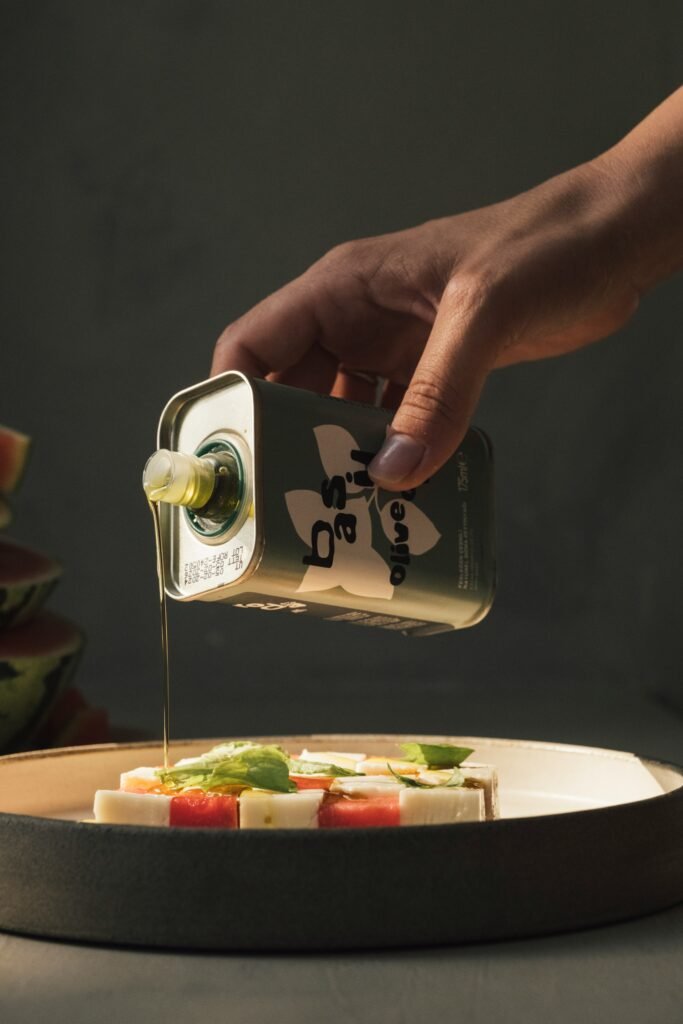
When you swallow a truly high-polyphenol olive oil, it shouldn’t taste soft or buttery. It should catch in the back of your throat and make you cough. That sharp, peppery sting is oleocanthal, a naturally occurring phenolic compound that functions almost identically to low-dose ibuprofen, targeting inflammatory pathways without tearing up your stomach lining.
Beyond tamping down systemic inflammation, oleocanthal acts as a subtle stressor that prompts autophagic machinery to clear out senescent—or “zombie”—cells before they destabilize surrounding tissue.
Cellular Profile
- Extra Virgin Olive Oil — Oleocanthal | Inhibits COX-1 and COX-2 enzymes while triggering lysosomal membrane permeability to clear damaged cellular debris.
I spent years buying whatever medium-grade olive oil had a pretty label on sale, assuming oil was just oil, or so I assumed, until I tried a freshly harvested Greek Picual that felt like liquid fire going down. My salad dressings haven’t been the same since.
2. Fresh Wild Blueberries
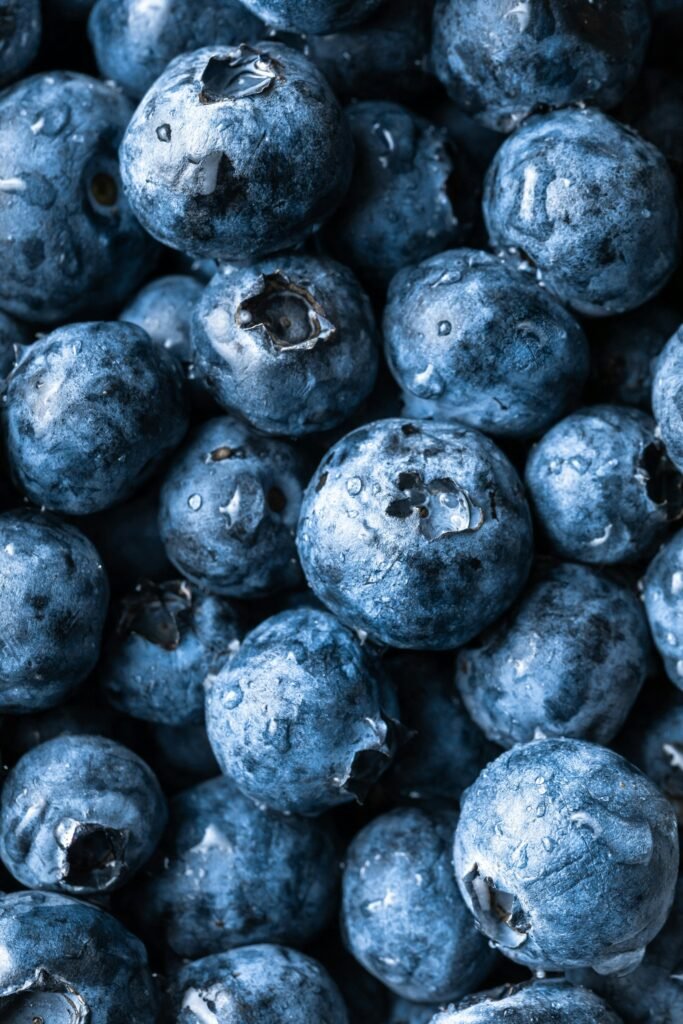
Cultivated grocery store blueberries are essentially water and sugar wrapped in a thin blue skin. Wild blueberries, on the other hand, are smaller, darker, and forced to survive harsh weather and thin soils. To protect themselves, they produce massive concentrations of anthocyanins—the deep purple pigments that give them their color and their potency.
These anthocyanins easily cross the blood-brain barrier. Once inside, they activate Nrf2 pathways, which signal your cells to produce their own endogenous antioxidants (like glutathione) rather than just relying on what you eat.
Cellular Profile
- Wild Blueberries — Anthocyanins (Cyanidin-3-glucoside) | Upregulates the Nrf2-ARE signaling pathway, reinforcing endogenous cellular defenses against oxidative damage.
3. Fermented Foods & Aged Cheese
Spermidine was originally isolated from semen—hence the unfortunate name—but it exists in high concentrations throughout nature, particularly in fermented soy, old cheddar, mushrooms, and aged cheeses. It is one of the few known natural molecules that directly induces autophagy, the body’s internal recycling program where cells consume their own broken mitochondria and misfolded proteins.
As we age, internal spermidine levels drop significantly. Eating fermented foods regularly acts as a gentle nudge to keep those cellular broom sweeps happening daily.
Cellular Profile
- Aged Parmigiano / Fermented Foods — Spermidine | Induces autophagy by inhibiting the acetyltransferase EP300, keeping cellular repair cycles active as systemic levels decline.
(A small admission: I tried making my own natto last winter to maximize spermidine intake, forgot about the heat lamp setting, and ended up with a batch that smelled like ammonia and old gym socks. Now I just buy aged gouda or tempeh from people who know what they’re doing.)
4. Raw Broccoli Sprouts
If you let a broccoli seed sprout for three days, it contains up to 100 times more glucoraphanin than a full head of mature broccoli. When you chew raw sprouts, an enzyme called myrosinase converts that glucoraphanin into sulforaphane—one of the most potent natural phase-II detoxification triggers known to science.
Sulforaphane doesn’t just neutralize toxins on contact; it alters gene expression to help your liver neutralize carcinogens and heavy metals long after you’ve finished eating.
Cellular Profile
- Broccoli Sprouts (3-day raw) — Glucoraphanin & Myrosinase (yielding Sulforaphane) | Triggers Phase-II liver detoxification enzymes and protects DNA structures from environmental mutagens.
Bringing Cellular Renewal to Your Plate
You don’t need a complicated weekly meal plan or a kitchen that looks like a chemistry lab to make this work. Focus on simple, situational triggers that fit into how you already eat:
- When preparing cold dishes or finishing hot ones: Drizzle unheated, high-polyphenol olive oil over soups, grains, or greens right before serving to preserve the delicate oleocanthal molecules.
- For morning or mid-day nourishment: Keep frozen wild blueberries on hand to blend into smoothies or stir into warm oat bowls; freezing actually breaks down the plant cell walls, making anthocyanins more bioavailable.
- During savory meals and snacks: Swap standard table cheeses for true aged varieties like Parmigiano-Reggiano, or add a forkful of unpasteurized sauerkraut to lunch plates to keep spermidine intake steady.
- When assembling raw salads or bowls: Crunch raw broccoli sprouts thoroughly—chewing activates the enzyme reaction necessary to produce sulforaphane.
Editor’s Note: Stop overcomplicating longevity with twenty-ingredient green powders and synthetic longevity stacks. Real cellular renewal comes from eating slightly bitter, intensely pigmented, properly fermented whole foods that force your body to adapt and clean up after itself. Buy the peppery oil, eat the sour cabbage, and stop worrying about living forever when you could just live well today.
This article is for informational and educational purposes only and should not be taken as medical advice. Always consult a qualified healthcare professional before making significant changes to your diet or health regimen.
Leave a Reply