I spent two years steeping green tea in near-boiling water every afternoon, convinced I was optimizing my cellular age, only to learn I was scorching the delicate catechins into useless bitter water. The reality is that stimulating internal cellular recycling doesn’t require complex clinical fasting schedules or synthetic powder blends. A few carefully selected, polyphenol-rich brews can trigger these natural cleanup pathways directly—assuming you don’t scald them first.
I dropped my favorite ceramic mug onto the kitchen tile at 6:15 AM because my thumb slipped off the cold handle. As I stood barefoot, staring at three ounces of lukewarm green tea spreading across the grout, my first thought wasn’t about the mess—it was about how annoying it was that I’d just wasted twenty minutes of precise brewing time. I wanted the cellular cleanup, the metabolic shift, the quiet promise of EGCG doing its job while I answered emails. Instead, I had a wet bathmat and a sticky floor.
Longevity gets framed as a massive architectural project, designed in sterile clinics with complex diagnostic panels and expensive supplement stacks. But the actual machinery of cellular survival operates on a far messier, microscopic scale.
The internal recycling mechanism
Autophagy translates to “self-eating.” It sounds aggressive, but it’s essentially your body’s method for taking out its own metabolic trash.
When you consume specific plant compounds, your cells experience a mild, beneficial nudge. Rather than causing stress or damage, this subtle signal prompts the cell to break down malformed proteins, clear out damaged mitochondria, and reuse those raw materials to build fresh components. You don’t need a multi-day water fast to start this process. A few targeted daily brews, packed with natural polyphenols, can nudge those same evolutionary pathways into gear.
Key Compounds & Biological Mechanisms
- Ceremonial Grade Matcha — Epigallocatechin Gallate (EGCG) | Activates the AMPK pathway directly, signaling cells to pause storage and begin internal debris cleanup.
- High-Polyphenol Hibiscus Tea — Anthocyanins & Protocatechuic Acid | Suppresses mTOR signaling pathways, effectively removing the biological brakes on cellular recycling.
- Whole-Flower Chamomile — Apigenin (Long-Steeped) | Inhibits CD38 enzyme activity, preserving vital cellular NAD+ pools needed for repair.
- Loose-Leaf Whole Green Tea — Catechins & L-Theanine | Delivers a steady baseline of antioxidant teas cellular repair pathways rely on without heavy stimulant spikes.
- EVOO & Lemon Warm Elixir — Oleocanthal & Oleuropein | Mimics the metabolic signaling of caloric restriction to promote cellular maintenance.
Five targeted functional brews
Ceremonial Grade Matcha
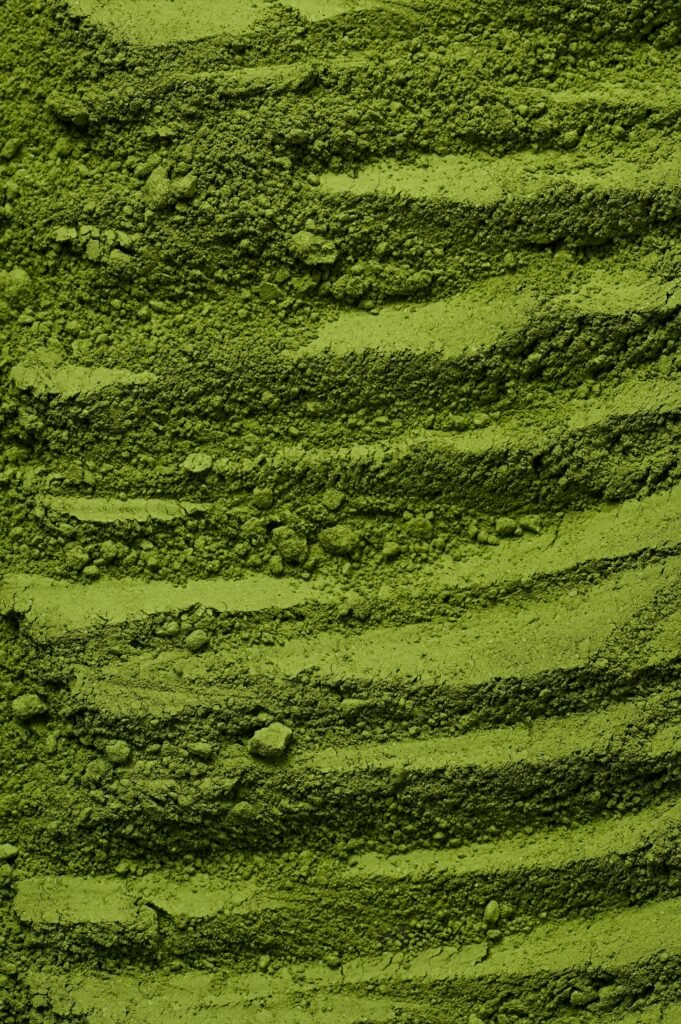
Matcha delivers a heavy hit of EGCG because you consume the entire ground leaf rather than a quick liquid steep. This polyphenol flips the switch on AMPK, the primary metabolic sensor that tells your body to halt nutrient storage and start recycling worn-out proteins.
I buy mine in small tins because it turns stale and sour within a month of opening, a detail I ignored for almost a year while whisking a dull brown powder (which, in fairness, still had caffeine, even if the active polyphenols had long oxidized). Whisk it with warm water—around 160°F—and skip the milk, as dairy proteins can bind to polyphenols and reduce their biological availability.
High-Polyphenol Hibiscus Tea
The deep ruby tone of dried hibiscus petals comes from high concentrations of anthocyanins. These specific compounds induce cellular cleanup by suppressing mTOR, a growth-sensing protein that halts cellular maintenance whenever it detects high nutrient intake.
It carries a sharp, tart flavor that cuts through mid-day sluggishness. It’s completely caffeine-free, making it one of the best drinks for longevity when you want metabolic benefits without messing with your sleep architecture.
Whole-Flower Chamomile
Most people treat chamomile as a mild, sweet bedtime drink. But when you steep whole dried flower heads for at least fifteen minutes in a covered vessel, you extract a concentrated dose of apigenin.
Apigenin blocks CD38, an enzyme that consumes NAD+ as we age. By keeping CD38 in check, you conserve internal NAD+ levels that fuel sirtuins—the enzymes responsible for DNA maintenance and longevity signaling. Steeped this long, it tastes distinctly grassy and slightly medicinal, which is usually a good indicator that you’ve extracted the active elements.
Loose-Leaf Whole Green Tea
If whisking matcha feels like too much friction on a busy morning, whole-leaf green tea provides a continuous, manageable supply of catechins. The trick lies entirely in leaf quality and water temperature.
Standard grocery store tea bags usually contain broken fannings that oxidize rapidly on the shelf. Loose whole leaves drawn at 175°F (80°C) for three minutes yield clean longevity beverages daily routines can actually sustain, without the harsh tannins that trigger an empty-stomach ache.
Extra Virgin Olive Oil & Lemon Elixir
This isn’t a tea in the strict sense, but rather a warm emulsion of high-polyphenol extra virgin olive oil, warm water, and fresh lemon juice.
Oleocanthal and oleuropein—the specific compounds in fresh EVOO that make the back of your throat tickle or burn—activate cellular maintenance pathways that mimic fasting. That subtle throat burn is your indicator of quality: if it doesn’t make you want to clear your throat slightly, the polyphenol density is likely too low to trigger a meaningful cellular response.

Incorporating longevity beverages by intent
Rather than forcing yourself into a strict clock-driven routine that breaks down the moment your calendar changes, match each drink to your actual physical state.
- When you need sharp focus without the caffeine crash: Whisk ceremonial matcha or drink whole green tea early in your work block to activate AMPK while L-theanine smoothes out the energy curve.
- For mid-day metabolic support without extra stimulants: Brew tart hibiscus tea between meals to suppress mTOR signaling when your digestive system is resting.
- For late-hour cellular repair without disrupting sleep: Steep whole chamomile flowers under a covered lid after dinner to preserve NAD+ pools while you wind down.
- When starting a lighter eating window: Stir cold-pressed EVOO and lemon into warm water to signal caloric restriction pathways without causing heavy digestive load.
Editor’s Note: We have become obsessed with the idea that health interventions must be uncomfortable to be effective—that if a routine isn’t expensive, hyper-quantified, or painful, it isn’t working. I’d rather drink a properly steeped cup of green tea every single afternoon for thirty years than cycle through three different extreme fasting protocols every time my workload spikes. True biological resilience is built on the simple, repeatable habits you don’t quit.
This article is for informational purposes only and does not constitute formal medical advice; consult a qualified healthcare provider before making major changes to your personal nutrition or daily health protocols.
Leave a Reply