Most people give up on high-fat eating three days in because nobody told them that losing four pounds of water weight overnight would make their joints feel like dry hinges. The initial drop isn’t magic fat loss, but it is the biological reset button your body pushes when you stop drowning it in glucose. Understanding what happens during those first two weeks—from glycogen depletion to hormone stabilization—is the difference between a sustainable shift and another half-abandoned kitchen experiment.
I dropped a full slab of salted butter into a hot cast-iron skillet, missed the center, and watched a yellow stream sizzle instantly against the bare metal edge, filling the kitchen with acrid smoke. I stood there waving a damp dish towel at the smoke detector, wondering why on earth I was frying steak at seven in the morning just to avoid a bowl of rolled oats. It felt backward, grease popping against my bare forearm, but I was three days into cutting carbs and already tired of overthinking every bite.
When You Drain the Body’s Primary Fuel Tank
When you start a keto diet for beginners, the immediate physical change isn’t body fat melting away—it’s water leaving your muscle tissue. Your body normally stores carbohydrates in your liver and skeletal muscle as glycogen. Every single gram of glycogen is bound to roughly three to four grams of water.
When you severely restrict carbohydrate intake, your body burns through those stored glycogen reserves to keep your brain and red blood cells supplied with glucose. As those stores empty out, the water bound to them has nowhere to go except out through your kidneys. This is the core fast weight loss mechanism that surprises people during week one. It’s not uncommon to see the scale drop three to six pounds in five days, which, in fairness, took me off guard when my wedding ring suddenly started slipping around my finger.
Beyond glycogen, lower insulin levels signal the kidneys to excrete sodium rather than hold onto it. Less sodium means less fluid retention overall:
- Glycogen Depletion — Restricting carbohydrates forces your liver and muscle tissue to exhaust their stored glycogen reserves.
- Water Liberation — As glycogen breaks down, the 3 to 4 grams of bound water per gram of glycogen are released into circulation.
- Insulin Suppression — The absence of dietary glucose causes circulating insulin levels to fall sharply.
- Sodium Excretion — Lowered insulin prompts the kidneys to excrete sodium rather than retain it, flushing excess fluid.
- Rapid Scale Drop — The combined loss of stored glycogen and fluid balance results in an immediate 3 to 6 pound weight drop.
The Switch to Ketosis and Fat Burning
Once glycogen is spent, your system faces an energy deficit. It cannot rely on incoming dietary glucose, so it pivots to hepatic beta-oxidation—breaking down fatty acids in the liver to produce ketone bodies (acetoacetate, beta-hydroxybutyrate, and acetone).
This shift forms the foundation of any clear ketosis fat burning guide:
- Glucose Priming: In a standard diet, glucose is consumed, raising blood sugar and triggering insulin release to store excess energy.
- The Metabolic Pivot: Deprived of glucose, hepatic cells begin breaking down long-chain fatty acids into acetyl-CoA at a rate that exceeds the capacity of the citric acid cycle.
- Ketone Generation: Excess acetyl-CoA is converted into ketones, which enter the bloodstream and cross the blood-brain barrier to serve as an alternative, highly efficient fuel for central nervous system tissues.
The post-meal energy slumps that usually follow a high-carb lunch disappear. Without blood glucose spikes and subsequent insulin crashes, your energy supply remains steady throughout the afternoon.
Why You Stop Craving Snacks at 3 PM
The rapid weight loss mechanism extends beyond simple calorie displacement; it actively rewires your chemical hunger signals. On a high-carbohydrate diet, ghrelin—the hormone responsible for signaling hunger—oscillates wildly, spiking every few hours as blood sugar dips.
Ketone bodies directly suppress ghrelin secretion in the stomach. Simultaneously, consuming adequate dietary fats and proteins triggers the release of peptide YY (PYY) and cholecystokinin (CCK), gut hormones that promote prolonged satiety. You simply stop thinking about food every two hours. I noticed this around day five when I realized I’d walked past a tray of office pastries without the usual mental tug-of-war—or so I assumed was impossible for me, until it actually happened.
Building a Plate: What Works vs. What to Cut
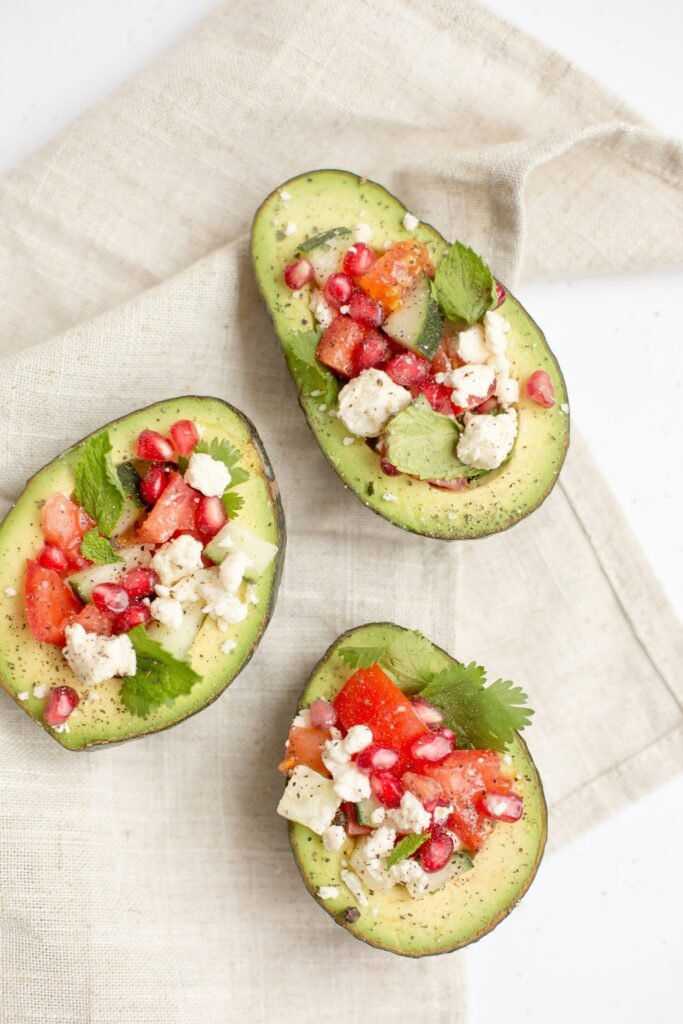
Forget rigid schedules and complicated points systems. The standard template relies on prioritizing whole, unprocessed fats and clean protein sources while eliminating quick-digesting sugars and starches.
Foods to Prioritize
Extra Virgin Olive Oil & Avocado Oil — Pure Lipids | Primary fat sources for low-heat finishing and dressings; provides sustained energy without spiking insulin.
Wild-Caught Salmon & Ribeye Steak — Fatty Proteins | Supplies essential amino acids and natural fats that trigger CCK release for long-term satiety.
Avocados & Macadamia Nuts — High-Fat Fiber | Delivers monounsaturated fats alongside soluble fiber to support gut microbiome diversity.
Leafy Greens (Spinach, Kale, Swiss Chard) — Micronutrients & Electrolytes | Offers crucial potassium and magnesium without adding significant net carb loads.
Hard Cheeses & Heavy Cream — Concentrated Dairy Fats | Useful for adding calorie density and flavor, though best consumed in moderation to avoid overeating.
Foods to Eliminate
Grains & Starches (Bread, Pasta, Rice, Oats) — High Glycemic Carbs | Instantly refill glycogen stores and knock the liver out of ketone production.
Root Vegetables (Potatoes, Sweet Potatoes, Carrots) — Dense Starches | Quickly breaks down into simple sugars, raising blood glucose and stalling fat adaptation.
Sugary Drinks & Fruit Juices — Fructose & Sucrose | Overloads the liver with quick sugars, causing rapid insulin spikes and immediate fat storage signals.
Seed Oils & Highly Processed “Keto Bars” — Refined Ingredients | Frequently contain hidden tapioca starches or sugar alcohols that derail GI comfort and adaptation.
Preventing the Adaptation Slump
The so-called “keto flu” isn’t a viral bug; it’s an acute electrolyte imbalance caused by the sudden flushing of water and sodium mentioned earlier. When sodium drops, your body excretes potassium to maintain ionic balance, leading to brain fog, muscle cramps, and fatigue.
Editor’s Note:
Don’t buy expensive ketone-testing strips or branded electrolyte powders packed with artificial sweeteners. A generous pinch of unrefined sea salt in a cold glass of water with a squeeze of fresh lemon twice a day does more for your energy levels during week one than any fifty-dollar supplement.
Here is how to manage the transition smoothly based on real-world scenarios:
- Morning Routine: Drink 16 ounces of water mixed with 1/4 teaspoon of high-quality salt immediately upon waking to offset overnight sodium excretion.
- Mid-Afternoon Slump: If a dull headache sets in around 2 PM, drink bone broth or warm salted water before reaching for extra coffee, which can further dehydrate you.
- Pre-Workout Preparation: Take in a small spoonful of coconut oil or a handful of salted almonds 30 minutes before moving to supply readily available fats for muscle tissue.
- Evening Wind-Down: Include elemental magnesium (such as magnesium glycinate) before bed to relax smooth muscle tissue and prevent night cramps.
This article is for informational purposes only and does not constitute medical advice. Consult a qualified healthcare professional before significantly altering your dietary habits, especially if you have underlying metabolic or kidney conditions.
Leave a Reply