Blue Zone research keeps circling back to the same uncomfortable finding: the people who live longest aren’t always the ones eating the cleanest or dodging every bad habit. They’re the ones who show up — to a card table, a porch, a village hall — on a schedule nobody wrote down but everybody keeps. This piece looks at why loneliness measures out to roughly the same health cost as a serious smoking habit, what that does to your stress hormones and immune system, and how to build the kind of low-effort, recurring contact that actually protects you.
My grandmother smoked something like half a pack a day for over fifty years. She kept a small bottle of liquor in the kitchen cabinet, not hidden, just there, and she’d pour herself a thimbleful most evenings before dinner. By every diet chart I’ve ever seen, she should not have made it past seventy. She died at 87, in her sleep, after an afternoon spent exactly where she spent most afternoons — at the community hall two streets over, playing cards with three women she’d known since before I was born.
I used to think that was just luck. Genetics, maybe, or the kind of constitution some people are simply issued at birth. It took me embarrassingly long — years, honestly — to notice the actual pattern, which was that she left the house at the same time every single day, rain or heat, to go sit with the same people.
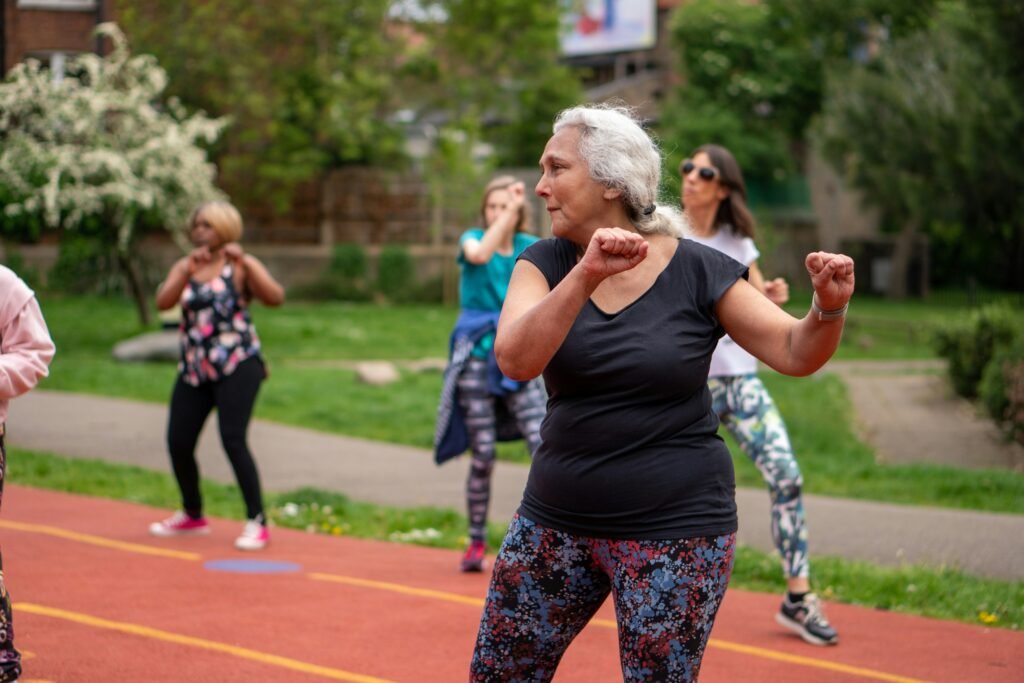
The habit that shouldn’t have worked, and did
Here’s the thing that bothers epidemiologists more than it bothers the rest of us: her daily social hour probably did more for her lifespan than cutting the liquor ever would have.
That’s not a folk theory. It’s backed by a body of research that’s been quietly piling up since the 1980s, starting with a landmark meta-analysis that pooled data from over 300,000 people and found that weak social ties predicted early death about as strongly as smoking up to 15 cigarettes a day — and more strongly than obesity, physical inactivity, or air pollution. Loneliness vs smoking health impact isn’t a catchy exaggeration. It’s more or less the actual finding, sitting in a peer-reviewed journal since 2010, mostly ignored by the wellness industry because it doesn’t sell a product.
(I want to be fair here — diet and genetics obviously matter. Nobody’s saying eat garbage and it’ll wash out if you have enough friends. But the relative weight of these factors keeps surprising researchers, and it keeps pointing the same direction.)
So what’s actually going on in the body? Isolation isn’t just an emotional state — it registers as a physical threat, and the body responds to it the way it responds to any sustained threat.
- Chronic loneliness — Cortisol baseline | Stays elevated instead of dropping at night, which over years wears down the cardiovascular system the same way chronic stress from any other source does.
- Social isolation — Inflammatory gene expression (specifically pro-inflammatory genes tied to the “conserved transcriptional response to adversity”) | Gets switched on, while antiviral and antibody genes get switched down, leaving the immune system tilted toward inflammation and weaker at fighting actual infection.
- Regular positive social contact — Oxytocin and vagal tone | Both increase, which helps slow heart rate recovery after stress and generally calms the nervous system back down faster.
- Isolation, sustained over years — Risk of stroke and coronary heart disease | Roughly 30% higher, independent of most traditional risk factors like cholesterol or blood pressure.
None of that is the body “clocking in” for a shift or “recalibrating.” It’s simpler and blunter than that: the nervous system treats disconnection as danger, danger keeps stress hormones up, and stress hormones sustained over decades erode tissue. That’s the mechanism, more or less.
Blue Zones secret community: what they actually built
Every region researchers flag as a genuine longevity hotspot — Blue Zone territory, the shorthand that’s become almost a marketing term at this point — has some structural version of what my grandmother had by accident.
Okinawa built it formally, through moai: small groups of five or six people, often formed in childhood, who commit to meeting regularly for life and to supporting each other financially and emotionally if things go badly. It’s not a friend group in the casual Western sense. It’s closer to an assigned, permanent support structure, and some of the moai still active today have been meeting for over 90 years.
Ikaria, the Greek island with one of the world’s highest rates of people reaching 90, runs on something looser but no less consistent — a culture of long, unhurried daily gatherings, extended lunches that spill into the afternoon, and a near-total absence of clocks dictating when socializing has to end. Sardinia has its evening piazza culture. Loma Linda’s longevity is tied heavily to church community, not just diet, even though the diet gets most of the press.
What these have in common isn’t the activity. It’s the cadence — something recurring, low-barrier, and built into the week rather than something you have to summon willpower for.
When assessing health markers beyond diet
If you’re the type who tracks resting heart rate, sleep score, and macros, here’s the uncomfortable ask: put “frequency of real-time social contact” on that same dashboard. Not follower counts. Not messages sent. Time spent in a room, or on a call, with someone who knows your context.
A few markers worth actually watching:
- How many people would notice within 24 hours if something went wrong. Researchers sometimes call this your “convoy” — the people who’d actually show up. If the honest number is zero or one, that’s a health metric, not just a social one.
- Whether you have a recurring commitment, not just occasional plans. A standing Tuesday thing beats a “we should get dinner sometime” every time, because the recurring version doesn’t require renegotiation.
- Physical proximity, at least sometimes. Digital contact helps, but it doesn’t replicate the vagal and hormonal response of being in a room with someone — which, in fairness, isn’t something I fully believed until I looked at the heart-rate-variability studies myself.
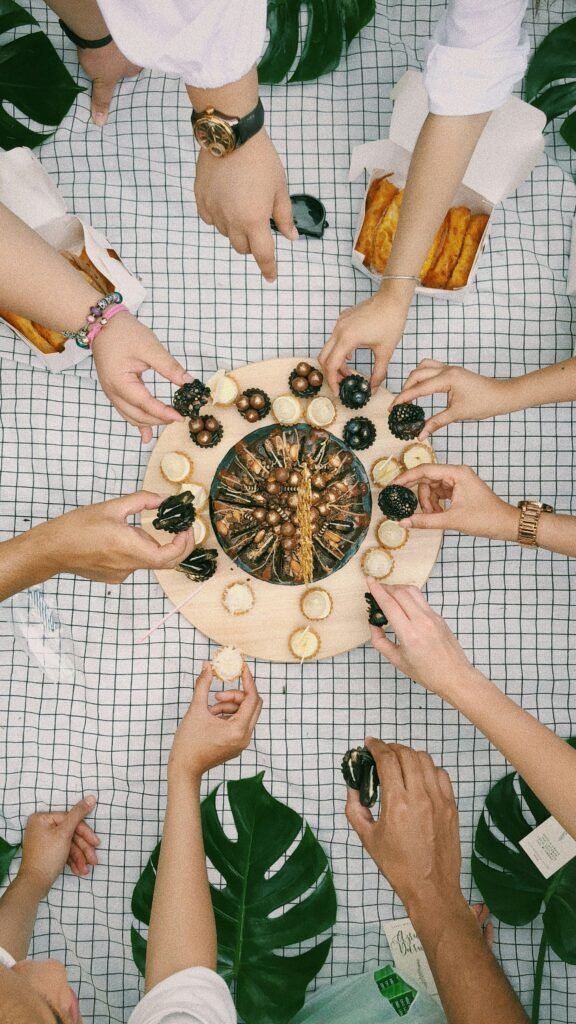
For integrating daily micro-connections in a modern routine
This is the part where most articles hand you a rigid morning-noon-night schedule, and I’d rather not, because that’s exactly the kind of structure that makes the habit collapse the first busy week you have.
Instead, a few situational anchors that tend to actually stick:
- The errand you already run. Attach a five-minute conversation to something you’re doing anyway — the same coffee shop, the same dog walk loop, the same checkout line if you can manage it.
- The recurring low-stakes group. A class, a league, a card game, a religious or community gathering. The content matters less than the fact that it repeats on its own schedule without you having to organize it each time.
- The one person you check in on without an agenda. Not a “can you help me with X” message. Just contact.
I’ll admit I tried to build a version of the moai model with three friends about two years ago — same day, same time, every other week — and it fell apart after five sessions because we all treated it as optional the second something else came up. It only started working once we tied it to something already fixed on the calendar, a standing trivia night at a bar none of us particularly loved. The venue didn’t matter. The fixed slot did.
The Real Longevity Secret, Restated
Editor’s Note: I think the wellness industry undersells this on purpose, because “sit with the same people on a schedule” doesn’t fit on a supplement label. Diet culture is easier to monetize than a standing card game. But if the 300,000-person meta-analyses are even roughly right, the habit worth optimizing isn’t your next meal — it’s whether you have somewhere to be next Tuesday, with people who’d notice if you didn’t show up.
How to apply this, by situation:
- Mindset: Treat social contact as a health input on the same tier as sleep or movement, not as a reward for finishing everything else first.
- Community anchors: Find or build one recurring, low-effort gathering — a class, a group, a standing meetup — and protect the time slot the way you’d protect a workout.
- Proximity: Prioritize in-person or live contact over asynchronous messaging where you reasonably can; it’s doing more physiological work than it looks like from the outside.
- The imperfect version: If the group falls apart once, as mine did, rebuild it around something already fixed on your calendar instead of something new you have to schedule from scratch.
This article draws on published longevity and social epidemiology research for general interest and isn’t medical advice; if you’re managing a specific health condition, loneliness included, it’s worth talking to an actual clinician about your situation.
Leave a Reply