Shine on the forehead, tightness around the mouth, a moisturizer that used to work and suddenly doesn’t — this is usually not dry skin, it’s dehydrated skin, and the two need almost opposite fixes. This piece walks through the actual mechanism (a compromised lipid barrier losing water, not a lack of oil), and lays out a three-step barrier routine — humectants, ceramides, occlusives — that’s boring enough to actually stick with. There’s no 10-step anything here. Just the order that makes the water stay where you put it.
I was blotting my forehead with the little tissue papers I keep in my desk drawer — third time that afternoon — and my skin still felt tight around my mouth when I smiled at someone in a meeting. Shiny in the T-zone. Tight everywhere else. That combination doesn’t make sense if you think skin problems are just “oily” or “dry.” It made sense the moment someone finally explained it to me: I wasn’t oily. I was dehydrated, and my skin was overproducing oil to compensate for a barrier that had stopped holding onto water.
That was two years ago. I want to be upfront that it took me an embarrassingly long time to stop treating the shine with oil-control powder and start treating the tightness underneath it, which, in fairness, is not how any of the products in my bathroom were marketed to me.
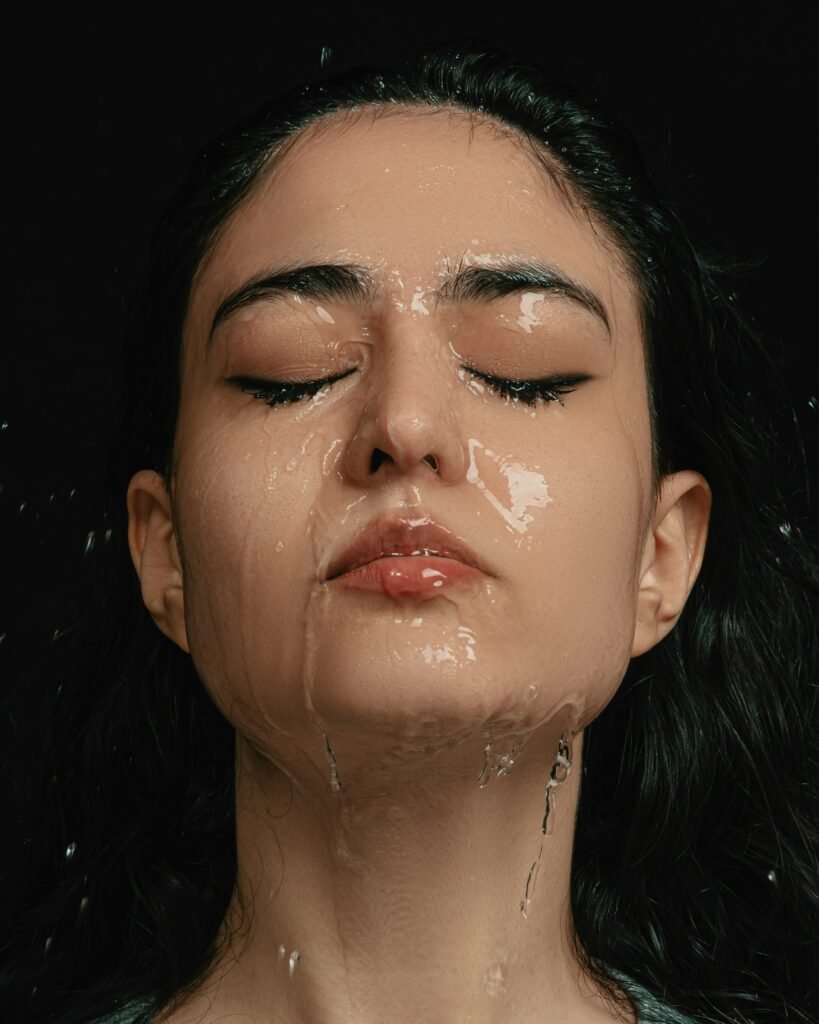
Dry skin and dehydrated skin are not the same problem
Dry skin is a skin type. It’s determined mostly by genetics and hormones, and it means your sebaceous glands don’t produce much lipid oil — the stuff that coats the skin’s surface and slows water loss. Dry skin usually looks dull, feels rough or flaky, and rarely gets shiny, even by 3pm.
Dehydrated skin is a condition. Any skin type can have it — oily, combination, even skin that’s technically “dry” on top of being dehydrated, which is its own particularly annoying combination. Dehydration means there isn’t enough water within the epidermis, usually because the skin barrier — the outermost layer, made of skin cells held together by lipids, mostly ceramides, cholesterol, and fatty acids — has gaps in it. Water evaporates through those gaps faster than it should. Dermatologists call this transepidermal water loss, or TEWL, and it’s the actual mechanism behind that tight, shiny, slightly stretched feeling.
Here’s the part that trips people up: dehydrated skin often looks shinier, not drier. The skin senses the water loss and ramps up oil production to try to seal the leak. So you get a face that looks oily on camera and feels papery in the mirror. I spent a full year buying mattifying products for that shine, which — if the mechanism above is right, and it is — was actively making things worse.
(A small aside: the number of “oil-control” cleansers I have thrown away in the last two years is not a number I’m proud of.)
When over-cleansing or oil-control products are the actual cause
Most cases of dehydrated skin I’ve seen — mine included — trace back to routine, not weather or age. Harsh surfactant cleansers, over-exfoliation, alcohol-heavy toners, and anything marketed as “deep clean” or “oil-eliminating” tend to strip the intercellular lipids that hold the barrier together along with the oil they’re targeting. The skin doesn’t distinguish between “the oil I wanted gone” and “the ceramides holding my barrier shut.” It just loses both.
Other quieter causes: dry indoor air (heating in winter, aggressive AC in summer), hot showers held a beat too long, retinoids or acids introduced too fast without support, and — this one nobody wants to hear — just not drinking enough water while also skipping the products that would actually help your skin hold onto what you do drink.
A few situational flags worth checking yourself against:
Skin State — Root Mechanism | What’s Actually Happening
- Shiny by midday but tight when you smile — Barrier compromised, oil overproduction compensating | Water is leaving through gaps in the lipid matrix faster than sebum can seal them
- Stings when you apply products that never used to sting — Barrier breach exposing nerve endings | Actives are penetrating past a barrier that should be blocking them
- Fine lines look more visible than usual, especially by evening — Plumping water content depleted | Skin cells are less full, surface texture reads rougher under light
- Moisturizer “sits on top” and doesn’t absorb — Surface lipid buildup without underlying hydration | You’re sealing in dryness instead of adding water first
If two or more of these sound familiar, the fix isn’t a new moisturizer. It’s a new order of operations.
The three-step barrier routine, in the order that actually matters
This is the part I wish someone had just told me plainly instead of making me piece it together from six different skincare forums. The order is not optional — apply these out of sequence and you’re mostly wasting product.
Step one — humectants, on damp skin. Humectants are water-binding ingredients: glycerin, hyaluronic acid, and panthenol are the common ones. They pull water toward the skin — from the air if it’s humid, from deeper skin layers if it’s not, which is worth knowing because in a genuinely dry room, a humectant with nothing to seal it in can actually pull water out of your skin and leave you drier than before. Apply humectants onto skin that’s still a little damp, right after cleansing or misting, so there’s water nearby for them to grab.
Step two — ceramides, to patch the barrier itself. This is the step most routines skip entirely, and it’s the one that actually rebuilds the structure that was stripped in the first place. Ceramides, along with supporting cholesterol and fatty acids, refill the mortar between skin cells. Products with a ceramide complex (rather than a single isolated ceramide) tend to mimic the skin’s natural lipid ratio more closely — I didn’t know this ratio detail mattered until a dermatologist mentioned it, and it changed which products I actually reach for now.
Step three — a lightweight occlusive, to seal it all in. Occlusives sit on top and physically slow water evaporation — think squalane, lightweight plant oils, or specific silicones depending on your skin’s tolerance. This is the step people either skip (too worried about looking greasy) or overdo (too heavy for daytime, especially under makeup). The goal isn’t a thick layer. It’s just enough to stop what you built in steps one and two from evaporating by lunchtime.
Humectant / Barrier Step — Targeted Ingredient Action | When to Reach for It
- Water-binding stage — Glycerin, hyaluronic acid, panthenol draw and hold water | Applied to damp skin, morning and night
- Barrier-repair stage — Ceramide complex plus cholesterol and fatty acids rebuild lipid mortar | Layered directly after humectants, especially post-exfoliation or post-retinoid
- Sealing stage — Squalane or lightweight occlusive slows transepidermal water loss | Last step, adjusted lighter for day, richer for overnight
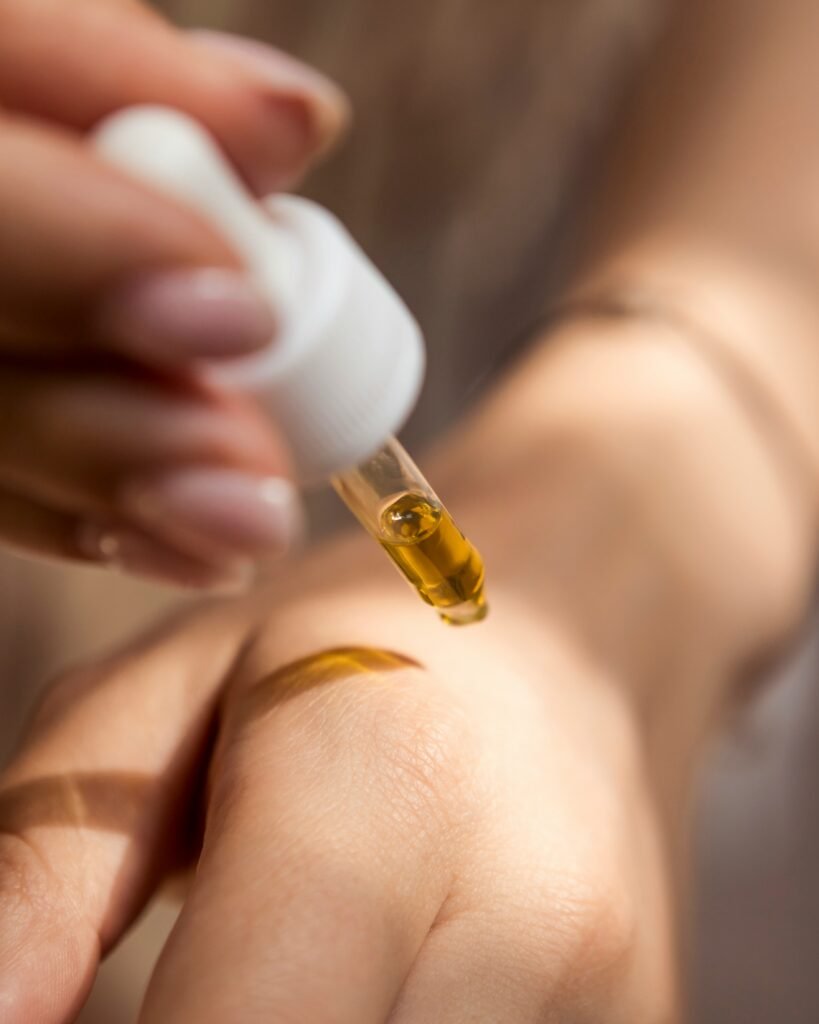
For layering without clogging pores or feeling heavy
This is where most of the emails I get on this topic actually come from — people who understand the theory but are scared of looking shiny or breaking out if they add another step. A few adjustments that made a real difference for me:
- If you’re acne-prone, look for “non-comedogenic” occlusives specifically — squalane tends to be well tolerated across most skin types, in my experience, though patch-testing is still worth the ten minutes.
- Apply thinnest-to-thickest. Humectant, then ceramide cream, then occlusive — never the reverse, or the humectant can’t reach the skin at all.
- If your skin stings when you apply a humectant serum, your barrier may be too compromised to handle actives yet. Skip straight to a simple ceramide moisturizer for a week or two and reintroduce serums after.
- Under makeup, use less occlusive than you think you need. A thin layer absorbs in a few minutes; a thick one will pill under foundation, and yes, I have shown up to things with visibly pilled foundation because I didn’t wait long enough.
One more thing, and I say this as someone who used to skip it constantly: a humidifier in a dry bedroom does more for barrier repair overnight than most serums I’ve bought. It’s not glamorous advice. It’s just accurate.
The Barrier Routine, Simplified
Editor’s Note: I think the skincare industry has a financial incentive to keep “dry” and “dehydrated” blurry, because it sells you two different product lines for one overlapping problem. My honestly slightly contrarian take: most people don’t need eight products, they need three, applied in the right order, for about six weeks before they judge whether it worked — and most people quit around week two, right before the barrier actually finishes repairing itself.
How to apply this, organized by where you actually are in the routine:
- Cleansing adjustments: switch to a low-foam, non-stripping cleanser; skip the second cleanse if your skin already feels tight after the first
- Humectant application: apply to damp skin, not dry skin — mist first if your skin has already air-dried
- Barrier-repair layering: introduce a ceramide moisturizer daily for at least two weeks before judging results, especially if you’ve recently used retinoids or acids
- Occlusive sealing: go lighter by day, slightly richer overnight, and skip it entirely on the rare humid day when your skin doesn’t need the extra help
This article reflects general skincare principles and one editor’s experience — it isn’t a substitute for advice from a dermatologist, especially if your skin barrier issues come with persistent redness, pain, or a rash that doesn’t resolve with basic barrier repair.
Leave a Reply