Somewhere between 2022 and now, the definition of “gym clothes” quietly split in two — and most of us didn’t notice until our closets did. This piece looks at why Vuori and Alo Yoga have pulled ahead of the pack that Lululemon built, what “quiet luxury activewear fabrics” actually means when you put your hand on them, and why the real style story of 2026 isn’t a new legging. It’s the disappearance of the line between the gym bag and the everything-else bag.
The bench, the matcha, three women in a row
I was sitting on a wooden bench in Hayes Valley, San Francisco, holding an iced matcha that had gone mostly to melted ice, when three women walked past within about ninety seconds of each other. None of them were wearing what I’d have called “leggings” five years ago — no shine, no logo screaming from the waistband, nothing that read athletic from more than ten feet away. Two were in what I’d later confirm were Vuori Performance Joggers. One had on something cropped and matte that could have passed for tailoring. I remember thinking: nobody here looks like they’re going to the gym. And also: nobody here looks like they’re not.
That’s the moment this whole piece is built on. Not a trend report. A bench, a drink I didn’t finish, and the slow realization that premium athleisure brands in 2026 have stopped trying to look like sportswear at all.
Lululemon built the category. It didn’t keep it.
For a long stretch — call it 2015 to 2021 — “premium activewear” basically meant Lululemon, full stop. The brand did the hard work: normalized spending real money on leggings, made technical fabric a status marker, turned yoga pants into a boardroom-acceptable bottom half. That groundwork mattered enormously.
But somewhere along the way the aesthetic calcified. Lululemon’s silhouettes stayed sporty — engineered, seamed, unmistakably built for output. Which is exactly what a lot of longtime customers started to quietly move away from, not because the performance dropped off, but because their lives changed shape. Fewer people were going gym-to-desk. More were going bed-to-coffee-to-laptop-to-errand-to-dinner, all in the same outfit, without ever technically “exercising” in the traditional sense.
Vuori and Alo Yoga read that shift early, and they read it differently from each other, which is the part most coverage skips over.
Vuori vs. Alo Yoga: two very different answers to the same question
Both brands get lumped together as “the new Lululemon competitors,” which undersells how differently they’re actually solving the problem. A genuinely useful vuori vs alo yoga review has to separate fabric philosophy from silhouette philosophy, because the two brands diverge hard on both.
Here’s how I’d actually lay it out, brand by brand, rather than forcing it into a grid that flattens the differences:
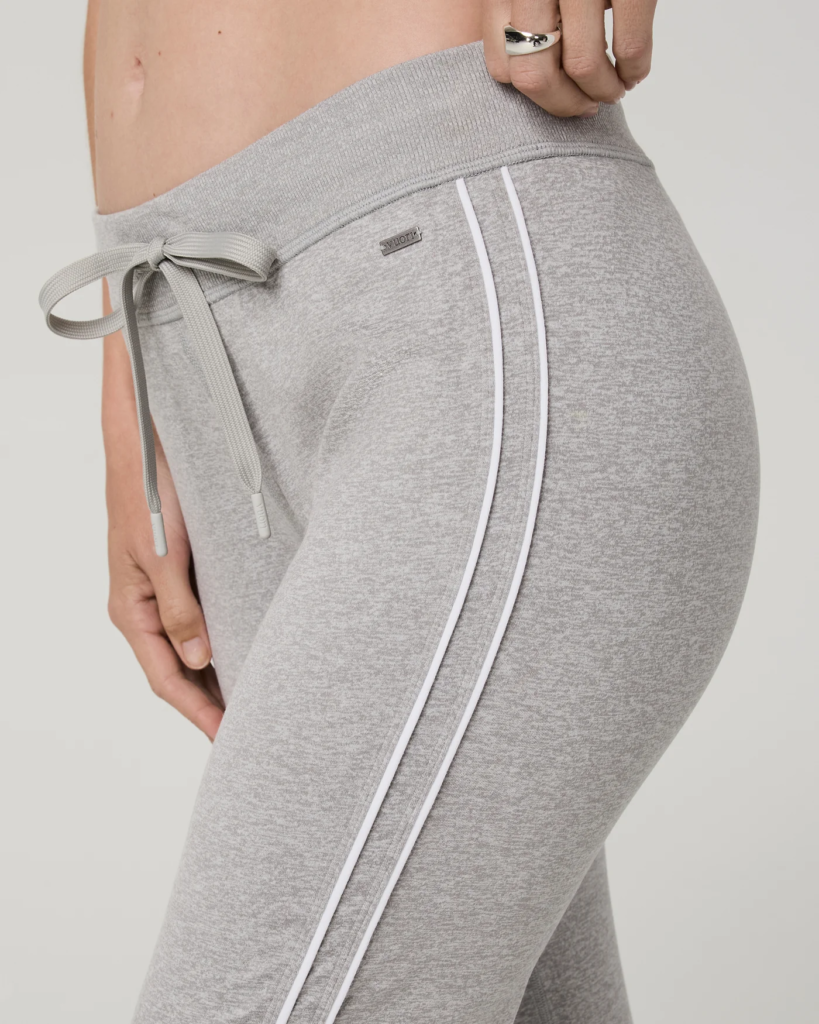
Vuori — DreamKnit Performance Fabric | Coastal, off-duty, borrowed-from-a-surfer ease. The signature DreamKnit blend (a nylon-based, brushed-interior knit) is genuinely soft in a way that surprised me the first time I tried it on — not “soft for activewear,” just soft, full stop. The silhouette language leans wide-leg joggers, relaxed henleys, boxy half-zips. It photographs like Encinitas. It reads less “I just worked out” and more “I might, later, or I might not.”
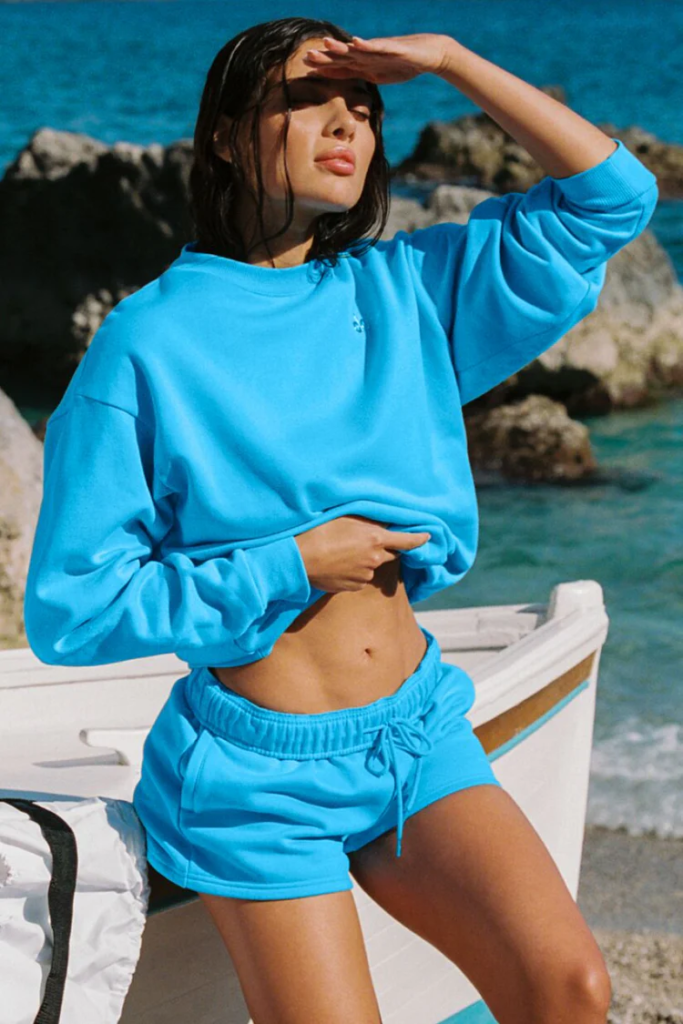
Alo Yoga — Cloud-knit lounge pieces | Post-studio, coffee-run, soft-power dressing. This is Alo’s answer to the same “blurred line” problem Vuori is solving, but arrived at from the opposite direction — starting from performance and softening outward, rather than starting from softness and building performance in.
If you want the short version: Vuori is casual wear that happens to perform. Alo is performance wear that happens to lounge. Both land in the same closet drawer now, which is precisely the point.
What “quiet luxury activewear fabrics” actually means when you touch it
I was skeptical of this phrase for a while — “quiet luxury” got applied to everything in 2023 and 2024 until it meant almost nothing. But there’s a real, tactile thing happening underneath the marketing language, and it’s worth separating from the noise.
It comes down to three things, none of which are about logos:
- Hand-feel over branding. The fabric itself is the status signal now, not the wordmark. A DreamKnit hoodie or an Airbrush legging is meant to be recognized by touch, by the person standing next to you at pickup, not by the print across the waistband.
- Sustainable fiber sourcing as a quiet baseline, not a headline. Recycled nylon, low-impact dyeing, traceable wool blends — these show up in the product copy but rarely in the ad campaign. Which, in fairness, took me longer to notice than it should have, since most of the sustainability messaging is buried three clicks deep on the brand’s own site rather than shouted anywhere visible.
- Muted, tonal palettes that skew toward Scandinavian minimalism. Sand, clay, moss, a very specific shade of oat — colors that work equally well under gym lighting and restaurant lighting, which was never really true of the neon-and-black activewear era.
(A small confession here: I bought into the “buy less, buy better” argument on quiet luxury fabrics almost a year before I actually changed my own shopping habits. The habit didn’t stick the first two times I tried it. It stuck the third time, mostly out of laundry fatigue rather than any real conviction.)
For the wardrobe that doesn’t know if it’s going to yoga or lunch
This is where the practical question actually lives — not “what’s the best legging” but “what do I put on when I genuinely don’t know what the next four hours hold.”
When transitioning from morning movement straight into a coffee meeting — a matte, structured jogger (Vuori’s Ponto or similar) paired with a fitted, non-athletic-looking top does the job without a wardrobe change. The fabric shouldn’t announce itself; the silhouette should read as “put together,” full stop.
For choosing quiet luxury textures over heavy compression — this matters most on travel days or long meeting stretches, when compression fabric starts to feel less like support and more like a small, persistent argument with your own skin. DreamKnit-style brushed knits or Alo’s Cloud line solve for comfort first, shape second.
When the day is genuinely a workout day, no ambiguity — this is Alo’s clearest lane. Airlift compression, engineered seaming, sweat-wicking built for actual output rather than the appearance of it.
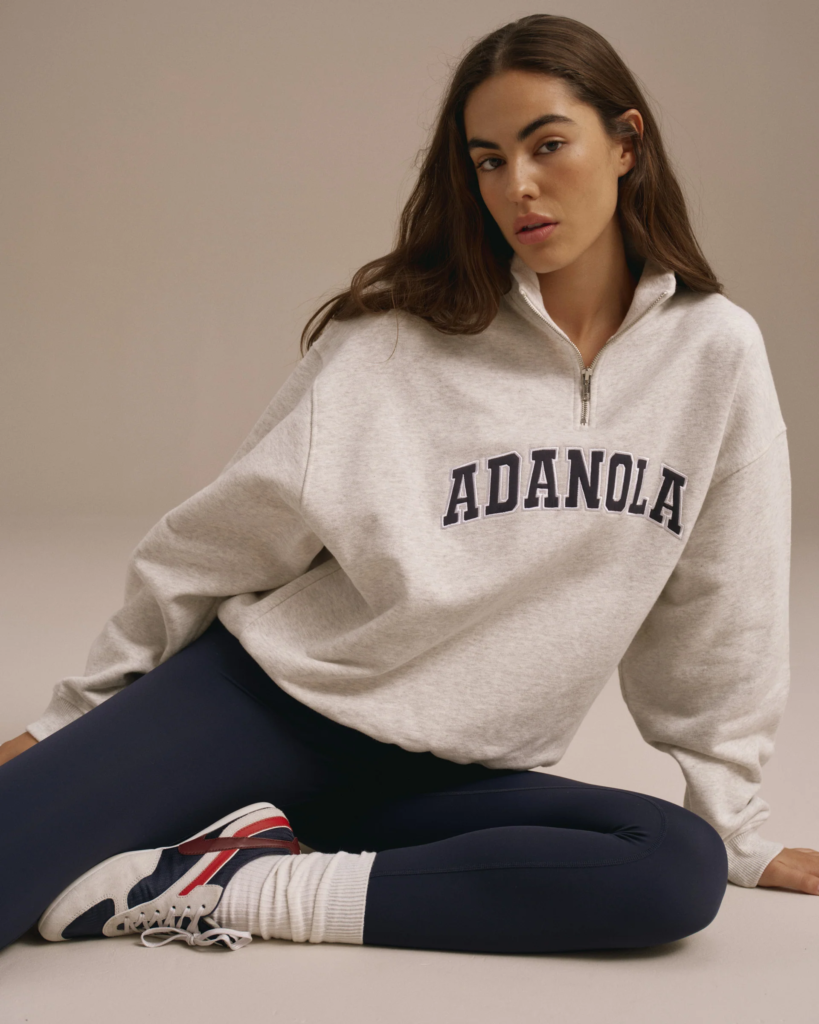
For the in-between hour — post-workout, pre-shower, running an errand — a looser, brushed-fabric half-zip over the workout base layer. This is the single most common use case I actually see on the street, and the one most brands still under-design for.
Getting Dressed in 2026, or: What My Closet Actually Looks Like Now
Editor’s Note: I think the “quiet luxury athleisure” framing has already started to overcorrect — brands are now designing pieces so deliberately unremarkable that they’ve lost the tactile specificity that made the shift interesting in the first place. Softness isn’t a personality. The brands that will matter past 2026 are the ones that keep a genuine point of view underneath the neutral palette, not the ones chasing the most inoffensive beige on the market.
How to actually apply this to your own closet:
- Texture matching — pair one soft, brushed piece (DreamKnit joggers, a Cloud-knit pullover) with one structured piece per outfit. All-soft reads as pajamas; all-structured reads as a uniform.
- Layering for ambiguous days — keep one compression base layer and one loose overpiece in rotation together, so you’re never dressing twice.
- Palette discipline — build around two or three tonal neutrals rather than a rainbow of “performance colors.” It’s what makes the gym-to-street transition actually invisible.
- Garment care — brushed technical knits pill faster under high heat; cold wash, air dry, and the DreamKnit-style fabrics genuinely last longer than their price point suggests.
This article reflects one editor’s hands-on impressions of specific fabrics and silhouettes as of 2026 and isn’t a substitute for trying garments on yourself — fit and fabric feel vary more by body and climate than any review can fully capture.
Leave a Reply