A 10-minute walk after eating is a small, almost boring habit — but it changes how the next two hours of your day actually feel. This piece breaks down why sitting right after a meal invites the slump, why you don’t need to power-walk anywhere, and what to do when the weather or your office keeps you inside. None of it requires new gear, just ten minutes you were probably going to spend scrolling anyway.
Last Tuesday at 1:20 PM, I was slumped in my office chair, a half-empty bowl of pasta going cold on the desk beside me, and my eyelids had turned into something closer to lead than skin. I had a 2 PM call. I remember thinking, quite specifically, I cannot be a person in twenty minutes. That particular kind of heaviness — heavy legs, heavy eyes, a stomach that feels like it’s doing hard labor — is what sent me down this rabbit hole in the first place.

1. Why Sitting Right After Eating Triggers the Slump
Here’s the part I didn’t expect: the slump isn’t really about the food. It’s about what happens the moment you sit back down.
When you eat, your body redirects a good portion of its blood flow toward the stomach and intestines to help with digestion. That’s normal and useful. But if you immediately return to a chair and stay still, that blood tends to pool there, and less of it circulates to keep the rest of you — including your brain — feeling sharp. Add to that the after-meal blood sugar surge that follows a carb-heavy plate (pasta, rice, bread, the usual midday suspects), and you get a one-two punch: a body working overtime on digestion, and a bloodstream flooded with sugar it hasn’t had a chance to use.
This is where the walk earns its keep. Muscle contraction — even gentle, low-effort contraction from walking — pulls glucose out of the bloodstream and into your leg muscles almost independently of insulin. Research published in diabetes and metabolic health journals has repeatedly found that short bouts of light activity after meals blunt the size of that after-meal sugar surge, sometimes more effectively than a single long walk taken at another point in the day. Your legs, in other words, become a kind of drain for the very thing that’s making you foggy.
In my own case, the difference showed up almost annoyingly fast. Ten minutes into a slow loop around the block, the fog didn’t vanish completely — I want to be honest about that — but it thinned out enough that I made my 2 PM call sounding like an actual functioning adult, or so I assumed, until my colleague asked if I’d just woken up from a nap. Progress is relative.
2. You Don’t Need to Power-Walk Anywhere
I want to correct a mental image I had going into this, because I suspect other people carry the same one: that “walking for digestion” means briskly marching somewhere with purpose, arms swinging, heart rate climbing.
It doesn’t. In fact, going too hard right after a meal can backfire. A vigorous pace redirects blood toward your working muscles at the exact moment your stomach still needs a decent share of it to process what you just ate, and for some people that shows up as cramping, bloating, or reflux — the last thing you want ten minutes after finishing lunch. Gastroenterology-focused observational studies have generally pointed toward a “conversational pace” — the kind of walk where you could comfortably chat with someone beside you — as the sweet spot for supporting stomach comfort without tipping into discomfort.
My personal trial confirmed this in the least glamorous way possible. The first time I tried this habit, I walked fast, thinking faster meant better results. I ended up with a stitch in my side and a mild ache that made me regret the extra slice of bread. The second time, I dialed it back to something closer to a stroll — the pace you’d use window-shopping, not the pace you’d use catching a train — and the difference in how my stomach felt was almost embarrassing to admit. Slower, it turns out, was the actual assignment.
3. Practical Hacks for When You’re Stuck Indoors
Not every post-meal window comes with access to a sidewalk, a park, or even decent weather. Some of my best 10-minute walks have technically never left the building.
Hallway laps. If you work somewhere with a long hallway or an open floor plan, a slow loop every few minutes adds up faster than it seems. I’ve done this in soft socks, in work shoes, once in slippers I regret describing publicly. Nobody has ever commented. People are far too busy with their own lunches to notice yours.
One flight of stairs, repeated. You don’t need ten flights. A single flight, walked up and down a handful of times at an easy pace, works the same leg muscles that help pull sugar out of your bloodstream, and it fits inside almost any building. I’ve used the stairwell in my apartment building for this on rainy days, counting flights instead of minutes because my phone was, predictably, still on the kitchen table.
The long way to get tea. This one felt almost too simple to count, but it’s become my favorite. Instead of the direct three-step path to the kettle, I take the scenic route — down one hallway, around the far side of the kitchen, back past the window that gets good afternoon light. It’s a small, slightly silly detour, and it’s also ten minutes I’d otherwise have spent standing still waiting for water to boil.
None of these require a plan, a tracker, or even leaving your socks on the right feet. They just require deciding, in that first slumped moment, to stand back up.
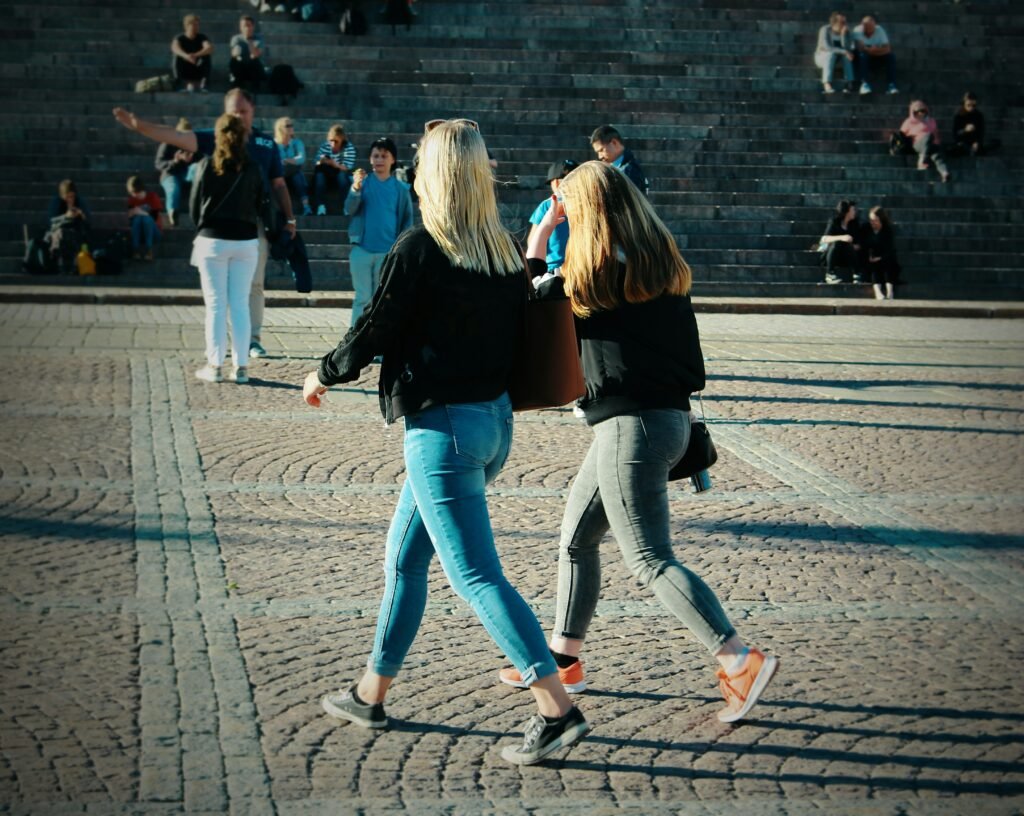
Editor’s Note: I’ll admit I approached this habit expecting a placebo effect and a mildly interesting anecdote for the magazine. What I didn’t expect was how consistently the ten-minute mark seemed to matter — shorter walks felt incomplete, longer ones felt like overkill for a lunch break. I’m not claiming this replaces a real exercise routine, and I still have days where the couch wins. But as a small, repeatable ritual between eating and whatever comes next, it’s earned a permanent spot in my afternoon.
How to apply this:
- After a carb-heavy lunch, aim for a slow, conversational-pace walk within 15–20 minutes of finishing — don’t wait until the slump has already set in.
- If you’re short on time or space, three short laps of a hallway or one repeated flight of stairs can stand in for an outdoor walk.
- Skip the power-walk instinct; a gentle pace tends to feel better on a full stomach and may still support a steadier metabolic rhythm.
- If you experience ongoing digestive discomfort after meals regardless of activity, that’s worth mentioning to a healthcare provider rather than walking through it.
This feature is intended for educational and inspirational purposes as part of RAWZY magazine’s editorial coverage of everyday wellness habits, and is not a substitute for personalized medical advice.
Leave a Reply