Most of us reach for ice water on instinct the second the heat hits, and it feels right for about four seconds. This piece looks at what that reflex is actually doing to your stomach and core temperature, and why a jug of room-temperature cucumber-mint water sitting on the counter does more for you over a full day than any amount of ice ever will. It’s not a purity thing. It’s just plumbing.
I was standing at the kitchen sink last July, filled a glass straight from the fridge dispenser, and drank about half of it in four gulps because it was 94 degrees outside and I’d just carried groceries up three flights. My stomach seized — actually seized, a tight cramping pull right under my ribs — and I had to put both hands on the counter for a second. That’s the moment this whole article is really about.

When the ice hits before you’ve even set the glass down
You know the feeling. Cold glass sweating in your hand, that first gulp almost aggressive because you’re that thirsty, and then a strange clench under the ribs that you shrug off because, well, it’s just water. It passes in a minute or two. Most people never connect it to anything.
But it’s a real physiological response, not a fluke.
When very cold liquid hits the stomach lining, the surrounding blood vessels constrict — vasoconstriction, in plain terms, the vessels narrowing to conserve heat around that sudden cold spot. The stomach muscles tighten too, which is the cramp you feel. It’s the body treating incoming ice water almost like an emergency: not dangerous, exactly, but disruptive enough to interrupt normal digestive rhythm for a few minutes.
What the body does next, and why it backfires in heat
Here’s the part that surprised me when I first read into it, and honestly made me a little skeptical — surely cold water cools you down, that’s the whole point?
Not quite. Once the initial cold hits, your body has to warm that liquid back up to core temperature before it can be absorbed and used. That process, compensatory thermogenesis, means your metabolism generates more internal heat to offset the cold you just introduced. So on a heatwave day, chugging ice water can leave you net warmer twenty minutes later than if you’d just sipped something at room temperature to begin with. It’s a short-term relief followed by a small internal cost — not huge, but real, and it adds up over a string of 95-degree days.
Room-temperature water skips that whole correction step. It moves through the stomach into the small intestine faster, which is where most actual hydration — the cellular fluid uptake that matters — happens anyway.
Why infused water specifically, and not just “warm water”
This is where it stops being about temperature alone and starts being about what’s floating in the glass.
Cucumber, mint, lemon, and berries aren’t just flavor. Cucumber is mostly water itself with a bit of potassium, and the aromatic compounds in mint appear to ease stomach motility — the wave-like muscle movement that pushes contents along — rather than tightening it the way a cold shock does. Lemon’s mild acidity nudges saliva and early digestive enzyme activity, which, in fairness, matters more before or with meals than in isolation. Berries add a small hit of natural fruit sugar and antioxidant compounds that don’t do much for hydration directly but make the whole glass more appealing to actually finish, which — I’ll admit — turned out to be the real reason my own habit stuck. Nobody drinks eight glasses of anything because a mechanism told them to.
The comparison isn’t close once you line it up:
Ice-Cold Tap Water — 35–40°F | Triggers gastric vasoconstriction and muscle cramping; forces compensatory thermogenesis, raising core heat within 15–20 minutes; slows early-stage absorption
Room-Temperature Plain Water — ~70°F | Passes through the stomach without shock response; absorbed steadily but offers no additional motility or nutrient support
Cucumber-Mint Infused Water — Slightly cool, 60–65°F | Supports smooth gastric motility via mint’s aromatic compounds; cucumber’s water-to-electrolyte ratio speeds cellular fluid uptake; gentle on the stomach lining post-meal
Lemon-Berry Infused Water — Room temperature | Mild acidity supports early digestive enzyme activity; fruit-derived micronutrients reduce oxidative load from heat stress; no vasoconstrictive shock
I switched my own fridge setup after reading through the research on this — moved the pitcher out of the fridge entirely for a few hours before drinking, which felt counterintuitive in August, almost wrong. It took about a week before the “why isn’t this cold” reflex faded.
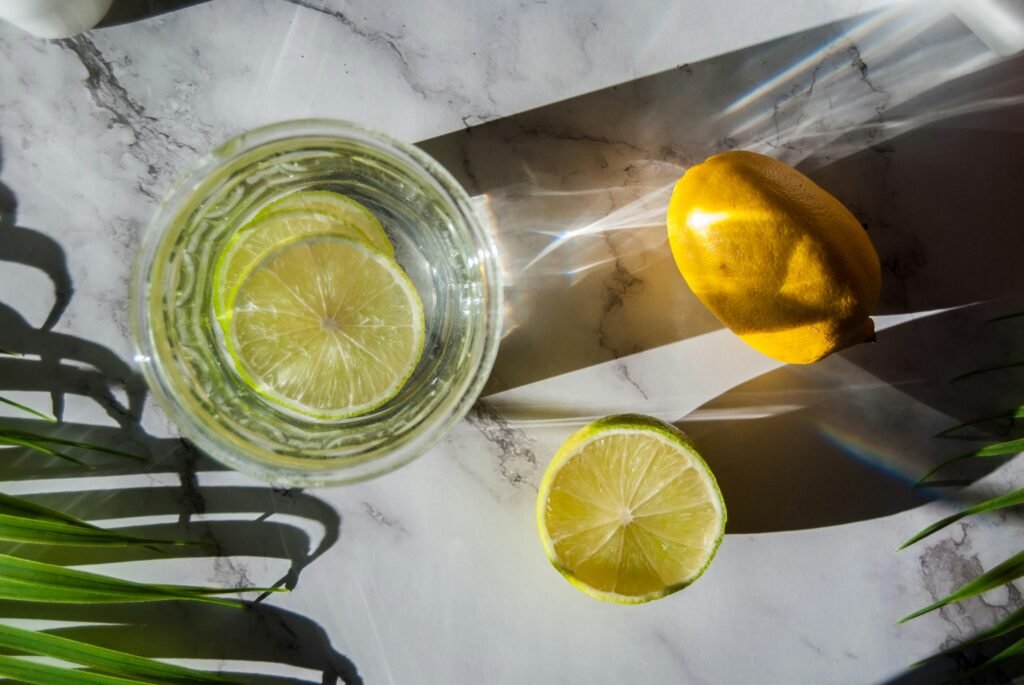
For boosting cellular fluid absorption during actual heatwaves
This is the part people ask about most, so let me be concrete instead of vague about it.
- When you first wake up and haven’t had water in eight hours — a full glass of room-temperature lemon water before coffee, before anything else. Coffee is dehydrating enough on its own; starting hydrated blunts that.
- When the afternoon heat peaks and you’re tempted to reach for ice — pour from a pitcher that’s been sitting on the counter with cucumber and mint since morning. The flavor’s stronger by then anyway, which, weirdly, makes it easier to drink more of it.
- When you’ve just eaten and feel that post-meal bloat coming on — skip cold water entirely for at least 20 minutes. Room-temperature or infused water supports motility instead of stalling it, and bloating is very often just digestion pausing to deal with a temperature shock, not overeating.
- When you’re outside for an extended stretch — a run, yard work, a long walk — cool (not ice-cold) infused water in a wide-mouth bottle you can actually gulp from, refilled and re-infused every 12 hours or so before the fruit turns.
None of this requires special equipment. A mason jar, a wooden spoon to press the mint a little before adding it (bruising the leaves releases more of the aromatic oil — small thing, makes a noticeable difference), and patience for the first few days while the habit settles in.
Rethinking the Ice Habit This Summer
Editor’s Note: I think the ice-water reflex is mostly cultural, not physiological — we’ve been sold the idea that “refreshing” means “cold enough to hurt a little,” and that’s just not how the body actually processes relief from heat. A lukewarm glass of cucumber water sitting untouched on your desk all afternoon will do more for you than the iced version you finish in thirty seconds and forget about.
How to build the habit, by situation:
- Botanical Combination — cucumber + mint for daytime heat; lemon + berries for morning or post-meal
- Temperature Pacing — room temperature for anything within 30 minutes of eating; slightly cool (not iced) for mid-afternoon peak heat
- Post-Meal Digestion — wait at least 20 minutes before any cold liquid; infused water is fine immediately
- Refresh Cycle — restock and re-infuse the pitcher every 10–12 hours so the fruit doesn’t turn bitter or cloudy
This reflects general digestive physiology and isn’t a substitute for medical advice — if cold drinks trigger more than mild discomfort, that’s worth mentioning to a doctor, not just working around with cucumber slices.
Leave a Reply