India didn’t abandon the ashram-on-a-budget version of itself so much as it built a second floor on top of it — one where a Panchakarma protocol older than the Roman Empire now gets cross-checked against your continuous glucose monitor. The shift wasn’t marketing. It was a decade of retreats like Ananda in the Himalayas proving that dosha diagnostics and biomarker panels can sit in the same treatment plan without either one apologizing for the other. What follows is less a trend piece than a field report on what that actually looks like, appointment by appointment.
I was sitting with oil still tacky on my collarbone, watching a longevity report load on my phone, when the therapist asked — gently, the way people ask things they already know the answer to — whether I wanted the same time slot tomorrow. I said yes before I’d finished reading the report. That’s the part nobody warns you about: how fast you stop needing the data to tell you what your body already decided.
That contradiction — trusting the machine and trusting the hand at the exact same moment — is more or less the whole story of luxury Ayurveda wellness retreats in India right now.
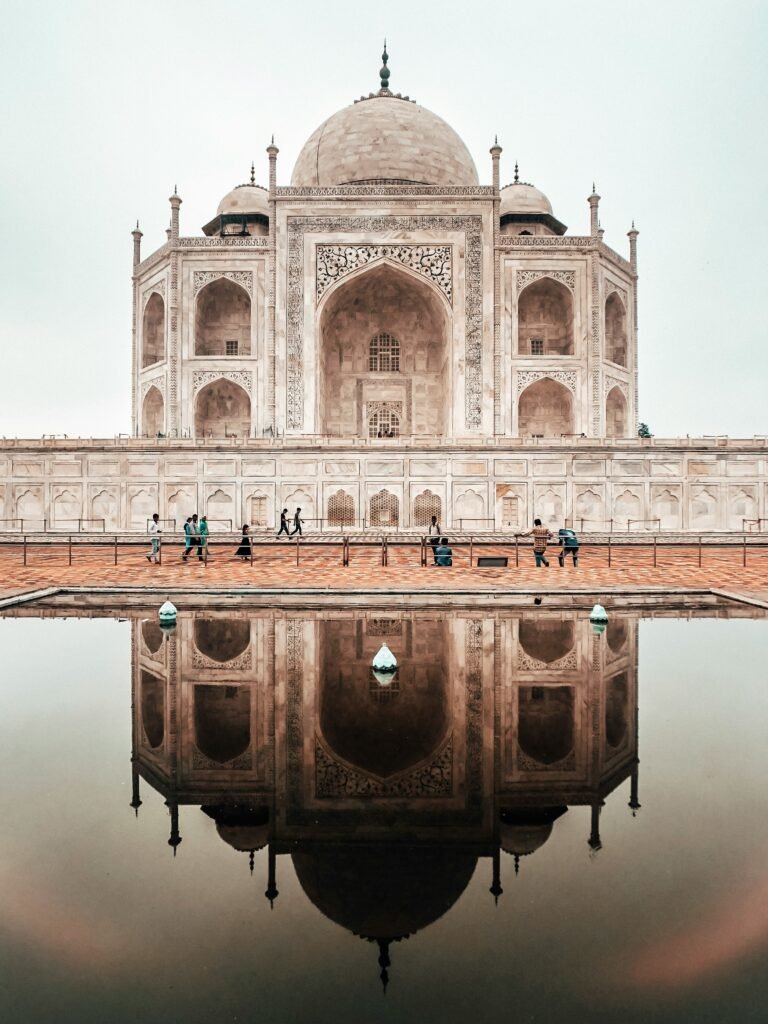
When 5,000-year-old dosha mapping meets a blood panel
For a long time, “wellness in India” meant one of two things to outsiders: a $12-a-night yoga hostel in Rishikesh, or a resort spa doing a diluted, coconut-scented version of Ayurveda for tourists who wanted a massage with a story attached. Neither of those was wrong, exactly. They just weren’t the whole picture, and by 2026 they’re barely a fraction of it.
The actual shift happened somewhere in the space between a vaidya (a classically trained Ayurvedic physician) reading your pulse for imbalance, and a functional medicine doctor down the hall reading your cortisol curve. Increasingly, these are the same visit. Practitioners at the country’s top-tier retreats now open a guest’s intake not with a questionnaire about stress levels, but with a genuine dual diagnostic: prakriti (constitutional) assessment through pulse, tongue, and observation, layered against blood work, HRV data, and sometimes a sleep-tracking ring the guest was already wearing when they checked in.
This is what people mean, loosely, when they say biohacking meets traditional Ayurveda — though I’d argue “biohacking” undersells it. Biohacking implies hacking, a shortcut. What’s actually happening is closer to translation. Two very different diagnostic languages, one older than written history and one running on a lab centrifuge, being read side by side instead of chosen between.
Asymmetric read — how the pillars line up:
- Prakriti/Vikriti pulse diagnostics (Nadi Pariksha) — a vaidya’s assessment of constitutional and current dosha imbalance through radial pulse, tongue, and skin | Functional correlate: increasingly cross-referenced against inflammatory markers (CRP, IL-6) and cortisol rhythm to see where subjective imbalance and measurable stress load actually agree
- Panchakarma — Vamana and Virechana (therapeutic emesis and purgation) | Functional correlate: practitioners now track pre- and post-protocol liver enzymes and lipid panels, since these classical elimination therapies visibly move bile acid and fat metabolism markers, not just “detox” in the vague sense
- Abhyanga and Shirodhara (herbal oil massage, oil-stream therapy on the forehead) | Functional correlate: measurable drop in resting heart rate and a shift toward parasympathetic dominance on HRV monitors within the session — this is one of the few claims where the wearable data and the 3,000-year-old technique agree almost immediately
- Nasya and Pranayama (nasal oil administration, classical breathwork) | Functional correlate: changes in heart rate variability and, in some retreat protocols, measurable shifts in vagal tone tracked over a multi-day stay rather than a single session
I’ll admit I was skeptical of Shirodhara specifically — oil dripped slowly onto your forehead for forty-five minutes sounded, going in, like something designed to be photographed rather than felt. It took about twelve minutes for that opinion to change. Which, in fairness, is longer than I expected it to take.
For guests who want Panchakarma without giving up their sleep score
Here’s the tension nobody in the marketing copy quite names: the classical Panchakarma detox protocol was never designed around a guest’s Oura ring. It was designed around lunar cycles, seasonal timing, and a multi-week residential commitment most modern travelers simply can’t make. So what’s happened at the top retreats — Ananda in the Himalayas among the clearest examples — is a kind of respectful compression. Not a shortcut, the practitioners are careful to insist, but a sequencing decision.
A guest arriving for five or seven days won’t get the full classical 21-to-45-day arc. What they get instead is triage: which one or two of the five karmas (Vamana, Virechana, Basti, Nasya, Raktamokshana) actually address what showed up in both the pulse reading and the blood panel, done properly, rather than a diluted taste of all five.
This is where the phrase “luxury Ayurveda wellness retreat” earns its price tag, honestly. Not the thread count of the linens (though — small aside — the linens at altitude in the Himalayas do something to sleep quality that I can’t fully explain and won’t pretend to). It’s the fact that a Panchakarma protocol compressed into a week, overseen by someone who trained for a decade and is also reading your lab work, is an entirely different service than a resort spa doing a symbolic version of the same words.
Situational data card — sequencing by intent:
- When merging dosha balance with modern biomarker tracking — the intake typically runs 90 minutes to two full days before any hands-on treatment begins, since the vaidya and the functional medicine practitioner are reconciling two separate readings before committing to a protocol
- For resetting parasympathetic tone on a compressed, high-intensity itinerary — Abhyanga and Shirodhara are frontloaded early in the stay, both because they’re the fastest to show measurable HRV shift and because the mental settling they produce makes the harder Panchakarma work (Virechana, particularly) easier to tolerate later
- For longevity-focused guests specifically chasing cellular markers — expect the itinerary to fold in telomere-adjacent biomarker panels, NAD+ level testing, or continuous glucose monitoring layered directly onto the classical dietary protocol (which, notably, was already personalizing food by constitution centuries before “personalized nutrition” was a category)

Why Ananda in the Himalayas became the reference point
If you ask five different wellness editors why Ananda in the Himalayas keeps coming up as the benchmark for this whole movement, you’ll get five slightly different answers, and mine is probably the least glamorous: it’s the physical building. A former Viceregal palace, built into a mountainside above the Ganges valley, with a functional medicine wing that doesn’t feel bolted on. Most retreats that try to marry ancient and modern end up with the modern half feeling like an afterthought — a wellness director’s laptop parked next to a thousand-year-old therapy room. Ananda built the diagnostic infrastructure into the actual architecture of the stay.
There’s also just the matter of altitude and mist, which sounds like a spa-brochure phrase until you’ve stood on the terrace at six in the morning and watched it happen over the valley below. I’m not going to pretend that’s a clinical variable. It isn’t. But every practitioner I’ve spoken with there brings it up unprompted, usually to explain why the breathwork lands differently in the first two days than it does anywhere at sea level.
The retreat’s longevity-specific programming — the piece most directly responsible for phrases like “ananda in the himalayas longevity” circulating in wellness search results this year — pairs classical Rasayana (rejuvenation) therapy with cellular aging panels most guests have never had run before arriving. It’s not that the Rasayana herbs are being validated by the blood test, exactly. It’s closer to two systems checking each other’s homework, in both directions.
One caveat, since I try not to oversell these things: the guests who report the most dramatic shifts tend to be the ones who were most depleted going in — chronic under-sleepers, high-travel executives, people three years into ignoring a stress signal. If your baseline is already reasonably well-managed, the biomarker movement is real but modest. Worth knowing before you book seven nights expecting a different body on the other end.
What This Actually Means If You’re Booking a Stay
Editor’s Note: I think the wellness industry has spent about fifteen years pretending “ancient” and “clinical” were opposites that needed reconciling, and the retreats getting this right in 2026 have quietly proven that was never true — the tension was invented by people selling one half of it. My contrarian read: the data isn’t there to validate Ayurveda. It’s there because a 5,000-year-old diagnostic system built on close, patient observation was doing something functional medicine is only now catching up to procedurally.
How to actually use this if you’re planning a trip, organized by what you’re walking in wanting:
- Botanical Integration — ask specifically whether the retreat’s vaidya and its functional medicine practitioner meet to reconcile findings before treatment begins; if the two departments don’t talk to each other, you’re paying for two separate spas wearing one brand
- Breathwork Anchors — if you’re arriving depleted or jet-lagged, request Pranayama and Nasya sessions be frontloaded in the first 48 hours rather than saved for the end of a longer program; the nervous system benefits compound faster than most itineraries assume
- High-Touch Recovery / Longevity Tracking — bring existing biomarker data (sleep scores, recent labs, a wearable’s HRV history) if you have it; retreats built for this integration will use it, and arriving with a baseline turns a nice week into an actually measurable one
- Realistic Expectations — a five-to-seven-day compressed Panchakarma is not the classical 21-day arc, and any retreat implying otherwise is marketing, not medicine; ask what specifically was chosen for your stay and why
This piece reflects general reporting on integrative wellness practices at India’s leading retreats and isn’t a substitute for a consultation with a qualified Ayurvedic physician or functional medicine doctor before starting any detoxification protocol.
Leave a Reply