Alternating between hot saunas and cold plunges—known as contrast therapy—creates a natural vascular pump that flushes systemic metabolic waste and resets the nervous system. The rapid transition between heat expansion and cold compression trains your body to manage acute stress, leading to deeper sleep, reduced inflammation, and sustained daily vitality.
Across wellness spaces worldwide, a quiet ritual is reshaping how people think about recovery: the deliberate alternation of heat and cold. What was once confined to elite athletic facilities has moved into everyday life, with contrast therapy circuits appearing in boutique studios, community spas, and even home setups. The appeal is simple. In a world defined by constant low-grade stress, the sharp, honest sensation of heat followed by cold offers something rare—a full-body reset that requires no equipment beyond water, temperature, and a few minutes of stillness. This isn’t a fleeting trend chasing novelty. It’s a return to a physiological principle: the body recalibrates most efficiently when it’s asked to adapt, not simply relax.
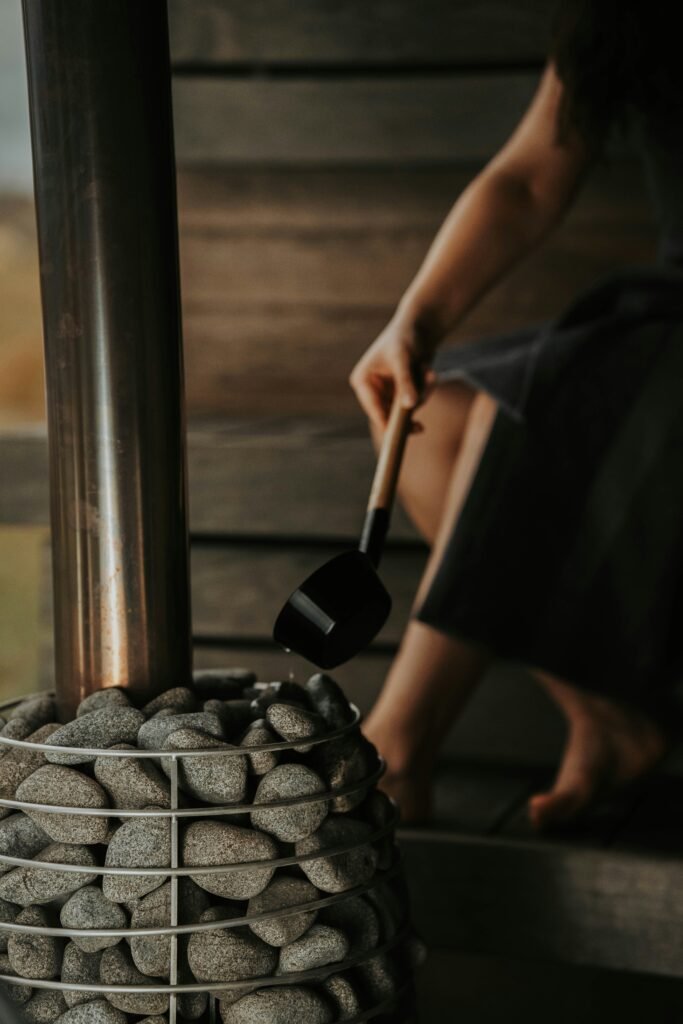
The Science of Thermal Shock: How Heat and Cold Rejuvenate the Body
To understand why contrast therapy works, it helps to separate what heat does from what cold does—and then see why the switch between them is the real mechanism.
Heat causes vasodilation. When you sit in a sauna, your core temperature rises and your blood vessels widen to help release heat. Blood rushes toward the skin’s surface, circulation increases, and your muscles loosen. At a cellular level, this heat stress also triggers the production of heat shock proteins—molecules that help repair damaged proteins and support cellular resilience.
Cold causes vasoconstriction. Stepping into a cold plunge does the opposite: blood vessels rapidly narrow, pushing blood away from the skin and toward your core to protect vital organs. This constriction reduces localized swelling and slows the buildup of inflammatory byproducts in tissue.
The magic is in the alternation. When you move from dilation to constriction repeatedly, you create what’s often described as a “vascular pump.” Blood is pushed out to the periphery, then pulled back in, over and over. This pumping action helps circulate oxygen-rich blood more efficiently and assists the lymphatic system in clearing metabolic waste—the cellular byproducts that accumulate after exertion or stress.
There’s also a nervous system component. Heat tends to activate a relaxed, parasympathetic state, while cold delivers a brief jolt to the sympathetic (fight-or-flight) system. Practicing controlled exposure to both, in sequence, effectively trains your autonomic nervous system to shift states more smoothly—a kind of resilience rehearsal that can translate into better stress regulation in daily life.
Heat Therapy Alone vs. Contrast Therapy: The Physiological Difference
| Factor | Heat Therapy Alone (Sauna Only) | Contrast Therapy (Heat + Cold Plunge) |
|---|---|---|
| Circulatory Impact | Steady vasodilation; increased blood flow to skin and muscles | Active “pumping” effect from repeated dilation and constriction |
| Nervous System Reset | Promotes relaxation via parasympathetic activation | Trains rapid shifts between sympathetic and parasympathetic states |
| Inflammation & Recovery Speed | Gradual relief through relaxation and sweating | Faster reduction in localized swelling due to cold-induced constriction |
| Mental Alertness | Calming, sedative effect | Sharp post-session alertness and mood elevation |
| Metabolic Waste Clearance | Moderate, through sweat and circulation | Enhanced, through active vascular cycling |
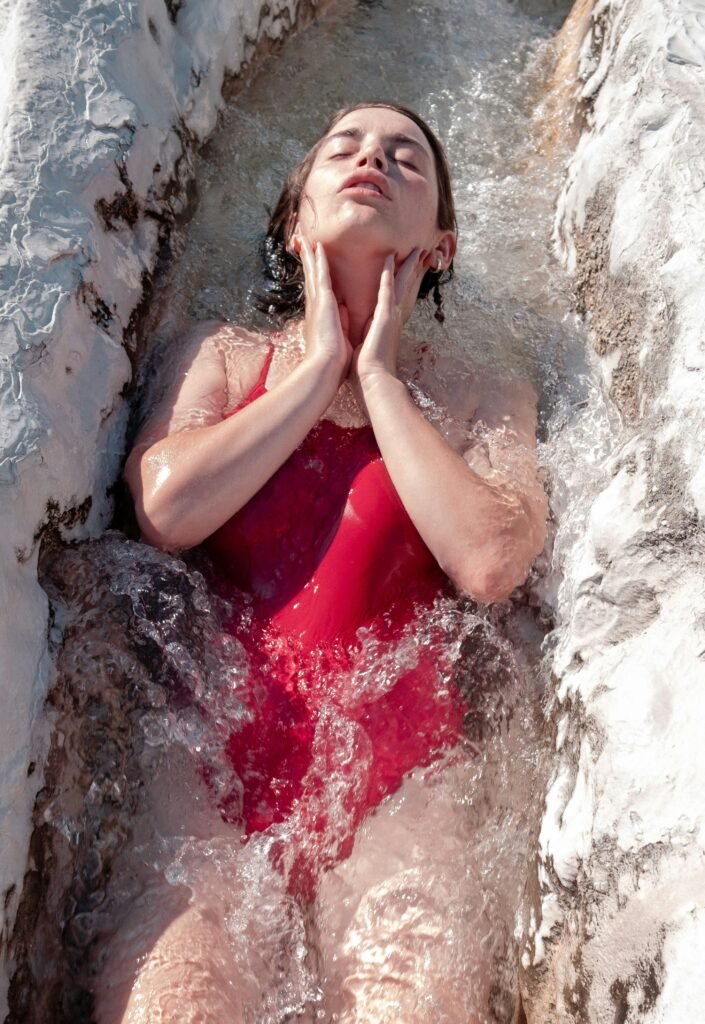
A Beginner’s Guide to Safe Contrast Therapy
1. The Heat Phase: Optimal Sauna Duration & Temperature
Begin with 10–15 minutes in a sauna set between 70–90°C (158–194°F), or a comfortable heat level if using infrared. You should feel warm and lightly sweating, not lightheaded. This phase primes circulation and loosens muscle tissue in preparation for the cold transition.
2. The Cold Transition: Controlled Breathwork & Gradual Plunge Entry
Before entering cold water (typically 10–15°C / 50–59°F), take a few slow, deep breaths to steady your nervous system. Enter gradually rather than jumping in—submerge to the chest and stay for 30 seconds to 2 minutes. Focus on slow exhales; this keeps your breathing controlled rather than gasping, which is key to managing the initial shock response.
3. The Resting Phase: Hydration, Re-Warming, & Interval Ratios
Allow your body 2–3 minutes to naturally re-warm between rounds rather than immediately returning to heat. A common beginner ratio is 3–4 minutes heat to 1 minute cold, repeated for 2–3 rounds. Always rehydrate with water or electrolytes between rounds, as both heat and cold exposure increase fluid loss and cardiovascular demand.
Key Safety Precautions Before You Plunge
- Hydrate before, during, and after your session—dehydration amplifies dizziness and reduces heat tolerance.
- Listen to your body’s signals. Lightheadedness, tingling, or a racing heartbeat are cues to stop, not push through.
- Avoid extreme time limits, especially in cold water. Longer isn’t better; the benefits come from the contrast, not endurance.
- Never plunge alone if you’re new to cold exposure, particularly in open water or unsupervised facilities.
- End on the phase that suits your goal (addressed below in the FAQ).
- Ease in gradually over several sessions rather than attempting maximum intensity on day one.
RAWZY’s Verdict & Quick Routine Guide
The Final Cycle: Hot vs. Cold Finish
- Syncing with Circadian Goals: How you end your contrast session dictates your nervous system’s immediate response:
- End with Cold (Morning & Focus): Triggers vasoconstriction, norepinephrine release, and a sharp boost in mental alertness. Ideal for kickstarting your day.
- End with Heat (Evening & Recovery): Promotes vasodilation, muscle relaxation, and a core body temperature drop—signaling your system to wind down for deep sleep.
Frequency & Stress Management
- Preventing Autonomic Fatigue: Contrast therapy is a hormetic stressor—it builds resilience only when paired with adequate recovery.
- The Sweet Spot: Start with 2 to 4 sessions per week to build vascular adaptability without overstimulating the sympathetic nervous system.
- Daily Practice Warning: If you choose to practice daily, monitor your Heart Rate Variability (HRV) and ensure sessions feel restorative rather than physically depleting.
Editor’s Note: Contrast protocols should support your recovery, not add friction. Always stay hydrated with electrolyte-rich water before and after thermal exposure, and avoid rapid cold immersion if you have underlying cardiovascular conditions.
Disclaimer: The information provided in this article is for educational and informational purposes only and does not constitute medical advice. Always consult a qualified physician before attempting high-intensity thermal or cold shock routines, especially if you have cardiovascular conditions.
Leave a Reply