Some sagging skin doesn’t come from lost volume — it comes from a weaker structure underneath, and hyaluronic acid alone can’t fix that. Acellular dermal matrix (ADM) boosters, made from donated human tissue with all cells and DNA removed, offer a natural alternative to synthetic fillers. This piece explains how they work, what they cost in Korea versus the US, and what to ask before trying one.
There’s a certain kind of sagging that no amount of hyaluronic acid seems to fix. It’s not about missing volume — it’s about structure. The skin feels thinner and looser, like it’s lost its own support system. Doctors sometimes call this “deep dermal thinning,” and it’s one of the trickier problems in skincare: HA fillers plump the skin for a while, but the thin layer underneath keeps getting weaker.
This is where acellular dermal matrix — ADM, often sold as an “ECM booster” — has moved from hospital surgery rooms into skincare clinics.
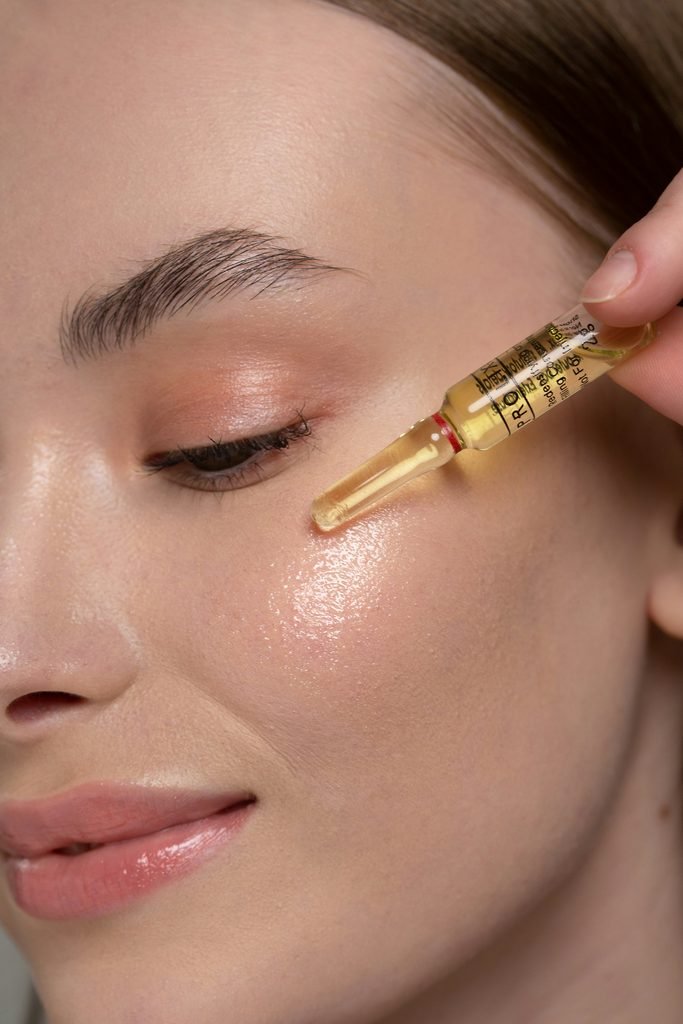
What “Decellularized” Actually Means
The name sounds complicated, but the idea is simple. Donated human skin tissue goes through a cleaning process that removes all the cells, DNA, and anything that could cause an immune reaction. What’s left behind is the skin’s basic structure — collagen and elastin, the proteins that give skin its firmness and bounce. I’ll admit, the first time a clinic staff member said “acellular dermal matrix” to me, I paused for a second. It sounds more like a lab term than a skincare word. But in plain terms, it just means: purified skin scaffolding, with the risky parts removed and the strong, structural parts kept.
Because the cells are gone, the chance of your body rejecting the material is much lower than with many synthetic fillers. Some studies suggest this leftover scaffold slowly blends in with your own skin — your body’s cells move into it over time and may even build new collagen around it. This doesn’t mean it “regrows” skin like magic. It’s more accurate to say it may support your skin’s structure as your body works with it, not that it creates brand-new skin on its own.
How It’s Different From Regular Fillers
Regular fillers — HA, poly-L-lactic acid, calcium hydroxylapatite — mostly work by adding volume, or by triggering your skin to make a little more collagen around a material your body still sees as “foreign.” ADM works in a different way. Since it comes from real human skin tissue instead of a lab-made substance, clinics call it “bio-identical” — meaning its structure is very close to the skin it’s placed into.
In practice, this means the matrix tends to break down more slowly and gradually, working more like a frame that your own skin cells can grow into and build onto. Reconstructive surgery — like breast reconstruction, hernia repair, or burn treatment — has used this same material for over 20 years. Using it for skincare and anti-aging is newer, but it’s based on the same basic biology, just used on a smaller, cosmetic scale.
That said, ADM isn’t automatically “better” than fillers in every way. HA fillers are faster to inject, show results right away, and can be dissolved if you change your mind. ADM can’t be reversed the same way — which is one of the most important things to understand before getting it done.
Small Clinic Details Most People Never Hear About
A few things surprised me when I sat in on a consultation. One clinic always ices the injection area for a few minutes beforehand — not just for comfort, but because cooling the skin first is said to reduce small bruises and swelling, since the needles used for this thicker material are finer than usual. It’s a small step, but it says a lot about whether a clinic is paying close attention or just rushing through a treatment menu.
Recovery is usually described as mild — some soreness, a little bruising, and swelling that goes down within one to two weeks — though this can vary depending on how much material was used and where. Since this is a material taken from real donated tissue, how it was sourced and processed matters a lot. Not every product on the market is held to the same safety standards.
Clinic Prices: Korea Versus the US
This is where things get very uneven depending on where you go. In Korea, where regenerative skincare treatments have become more mainstream, ECM boosters usually cost around 400,000 to 700,000 KRW per cc — roughly a few hundred US dollars per unit, depending on the clinic and brand. Seoul’s dermatology clinics in particular offer a lot of these treatments, and prices tend to be lower thanks to more clinics competing and a more developed supply chain for donated tissue.
In the US, the same treatment usually costs much more — typically $800 to $1,500 or more per vial. This is because of stricter FDA rules for tissue processing, higher costs for importing and handling the material, and fewer clinics currently offering it. This price gap is a big reason some people travel abroad for treatment — but it’s worth thinking about the downside too: if something needs fixing later, you may need to travel again for follow-up care.
Prices aren’t fixed anywhere — they change depending on the product, treatment area, and how much material your case needs. If a clinic quotes you a price way outside these ranges, in either direction, it’s worth asking more questions.
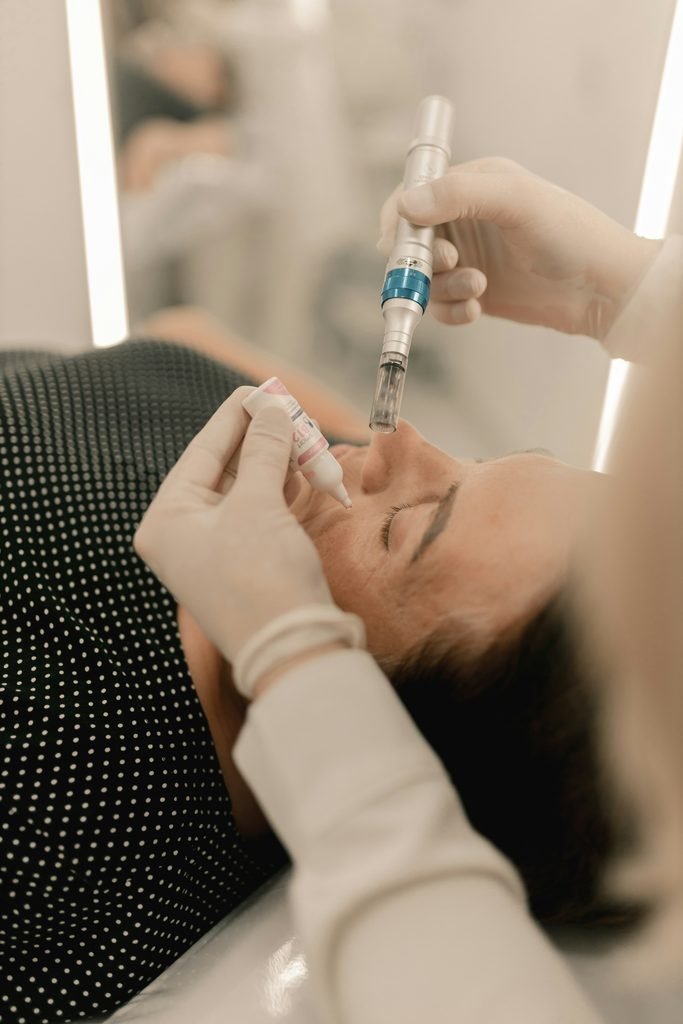
What to Ask Before Getting Any Biologic Injection
Here’s an honest point: ADM for skincare is still a pretty new category compared to fillers that have been around for decades, and long-term results specifically for cosmetic (not medical) use are still being studied. That doesn’t mean it’s unsafe — it just means doing your homework matters more than it would for a filler everyone already knows well.
Before booking anything, it’s worth asking the clinic directly: Which government agency approved this exact product, and where did the donor tissue come from? How does the doctor handle it if something goes wrong, since this material can behave differently under the skin compared to synthetic fillers? What’s the expected timeline for it to blend into your skin, and how reversible is it if you’re not happy with the results? A clinic that’s confident in its sourcing and process should be able to answer all of this clearly and without hesitation.
Editor’s Note: I’ll admit I walked into this topic a little skeptical — a lot of things get called “next-generation” in skincare that really don’t deserve the label. ADM boosters truly do work differently from anything that came before them, but “different” doesn’t automatically mean “right for you.” Before booking a consultation, it helps to walk in with a short checklist: confirm the product’s approval and where the tissue came from, ask about the doctor’s specific experience with ADM (not just fillers in general), get a clear answer about how reversible it is, and ask for the full cost breakdown including any follow-up visits. Deeper skin concerns deserve honest, careful answers — not just whatever treatment is newest on the menu.
Leave a Reply