Allulose isn’t a trick — it’s a rare sugar your body absorbs and then just… lets go of, largely unmetabolized, which is why the glucose curve barely moves. This piece walks through what that actually means for baking, coffee, and the low-grade bloat erythritol left behind, plus where tagatose fits into the same shift. It’s not a miracle. It’s just chemistry that finally cooperates with taste buds instead of fighting them.
Stirred it into lukewarm coffee before I’d even read the label properly. Bad habit. The spoon clinked against the mug three times before the granules dissolved, and I braced — out of muscle memory, mostly — for that synthetic aftertaste erythritol always leaves, the one that sits at the back of the tongue like it’s overstaying its welcome. It didn’t come. I actually checked the bag again, standing there in the kitchen in one sock, to make sure I hadn’t grabbed the wrong jar.
That was allulose. And that non-event — the absence of an aftertaste — is basically the whole story of why rare sugars are having a moment in 2026.
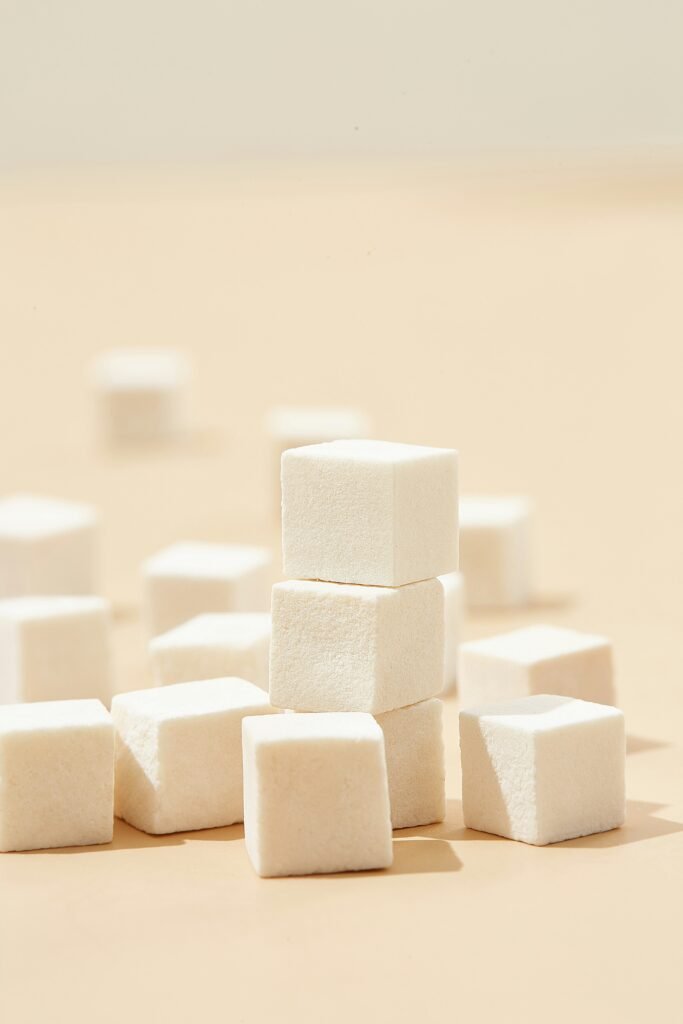
Why the body barely notices it’s there
Here’s the mechanism, stripped of any flattery: allulose gets absorbed in the small intestine, same doorway as regular glucose, but then it doesn’t get metabolized the way glucose does. It travels through the bloodstream and gets excreted largely unchanged, mostly through urine. No real insulin response. No spike, no crash forty minutes later where you’re suddenly annoyed at nothing in particular.
Tagatose works on a similar principle but through a slightly different route — poor absorption in the small intestine, partial fermentation by gut bacteria in the colon — and it also lands with a low glycemic footprint. The two aren’t identical, but they belong to the same family of “rare sugars,” so called because they exist naturally in tiny amounts in figs, raisins, wheat, but never in quantities worth extracting until fermentation technology caught up.
The metabolic case matters beyond the glucose meter, too. Chronic glucose spikes are linked to low-grade systemic inflammation — the kind that doesn’t announce itself with symptoms so much as it quietly taxes things over years. Because allulose and tagatose don’t trigger that spike-and-crash cycle, they sidestep the inflammatory cascade that follows it. This is the part nutrition researchers keep circling back to when they talk about allulose and tagatose metabolic benefits — not sweetness, not calories, but what glucose volatility does to cells over time when it happens three times a day for a decade.
(I’ll admit I was skeptical the first month. “Sugar without consequence” sounded like the kind of claim that usually has an asterisk hiding somewhere.)
The taste test nobody warns you about
Sucralose tastes like sugar’s colder cousin. Erythritol has that cooling, almost menthol quality — pleasant in gum, strange in coffee. Aspartame, for anyone who grew up on diet soda, carries a chemical tail that never fully leaves.
Allulose tastes like sugar. About 70% as sweet by volume, gram for gram, which sounds like a downside until you actually cook with it and realize the deficit barely registers once it’s in a batter or a glaze.
Allulose — Sweetness Index / Glycemic Response | Cellular & Digestive Behavior Roughly 70% the sweetness of table sugar, near-zero glycemic index, negligible insulin response. Browns and caramelizes in the oven almost identically to sucrose because it’s a genuine monosaccharide, not a sugar alcohol — which is the whole reason it behaves like sugar in a pan instead of seizing up or crystallizing oddly.
Erythritol — Sweetness Index / Glycemic Response | Cellular & Digestive Behavior About 60-80% as sweet, zero glycemic index on paper, but a sugar alcohol that ferments poorly in some guts. Bloating, gas, the mild digestive protest that sent a lot of people quietly back to their fruit bowl. Doesn’t caramelize — it recrystallizes, which is why erythritol baked goods sometimes have that gritty, slightly cool mouthfeel.
Tagatose — Sweetness Index / Glycemic Response | Cellular & Digestive Behavior Close to 90% the sweetness of sugar, low glycemic and low insulinemic response, some evidence of a mild prebiotic effect from colonic fermentation. Browns beautifully — arguably even better than allulose in high-heat baking — though it can cause looser stools in larger quantities, similar in spirit to erythritol’s issue but generally milder.
Aspartame / Sucralose — Sweetness Index / Glycemic Response | Cellular & Digestive Behavior Hundreds of times sweeter than sugar by weight, technically zero calorie, zero glycemic impact directly — but emerging research keeps circling back to gut microbiome disruption and, for some people, a paradoxical insulin response triggered by the sweet taste itself even without the sugar. No caramelization at all. Falls apart under heat.
Where the digestive tolerance question actually settles
The comparison people search for most — allulose vs erythritol digestive tolerance — usually comes from personal experience before it comes from a study. Erythritol is fine for a lot of people in small doses. But push past about 15-20 grams in one sitting and a meaningful percentage of users report bloating, cramping, the kind of low-grade discomfort you don’t connect to your coffee sweetener until you actually eliminate it for a week and notice the difference.
Allulose, because it’s absorbed and excreted rather than fermented in the colon, tends to sidestep that. Not universally — some people report mild GI effects at very high doses (we’re talking 30+ grams), which, in fairness, is more than most people use in a day of normal cooking and coffee. But the threshold sits meaningfully higher than erythritol’s, and that gap is the whole reason so many people are switching over without necessarily understanding the mechanism, just the outcome: less bloat, same sweetness.
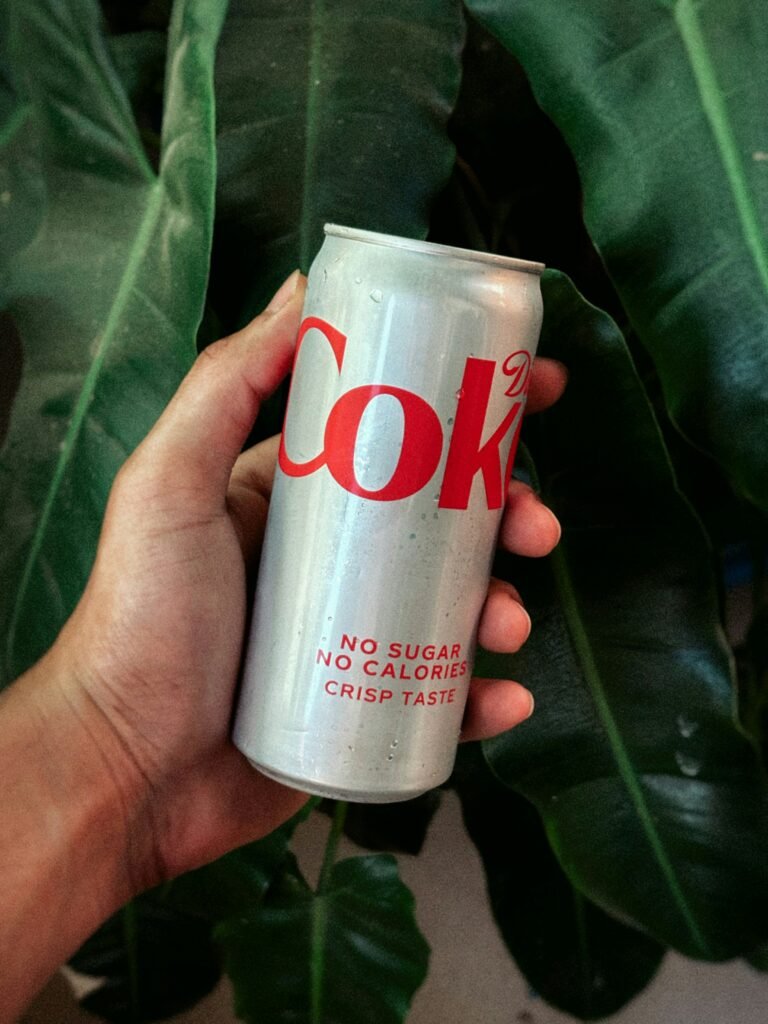
When it actually makes sense to reach for it
For steering clear of post-coffee glucose spikes — allulose dissolves clean in both hot and cold liquids, no grit, no lingering coolness. A teaspoon in coffee behaves like a teaspoon of sugar behaves, which after years of adjusting to sugar-alcohol substitutes, is honestly kind of a relief.
For baking and sweetening without the cooling alcohol aftertaste or bloating — this is where allulose earns its keep. It caramelizes. It browns. Cookies made with allulose actually spread and color the way sugar-based cookies do, which sugar-alcohol swaps have never quite managed — I’ve made erythritol cookies that came out of the oven looking pale and slightly sad, like they knew something was missing.
For anyone managing insulin sensitivity long-term, not just cutting sugar short-term — this is where the allulose and tagatose metabolic benefits conversation gets more serious than a taste comparison. The suppressed inflammatory response from avoiding repeated glucose spikes is a slower, less visible payoff, the kind you don’t feel in a week but might notice in bloodwork over a year.
For high-heat baking specifically — tagatose, if you can find it and don’t mind paying more, browns even more aggressively than allulose, closer to true Maillard behavior. Worth it for bread crusts. Overkill for a Tuesday muffin.
What This Sugar Shift Actually Comes Down To
Editor’s Note: I don’t think allulose is a “breakthrough” so much as a correction — we spent two decades chasing zero-calorie sweetness through chemistry that fought the palate, and rare sugars are just chemistry that happens to agree with it. My contrarian take: erythritol’s reign was always a stopgap, propped up by cheap manufacturing, not superior science, and most people currently defending it haven’t actually done a two-week side-by-side.
How to apply this, by situation:
- Coffee & tea pairing — allulose for daily use; it dissolves cleanly and won’t fight the drink’s actual flavor
- Baking swaps — allulose for cookies, cakes, glazes; tagatose specifically for anything needing a deep, browned crust
- Digestive checks — start under 15g/day of either rare sugar if you’re transitioning from erythritol, and note how your gut responds before scaling up
- Blood sugar tracking — if you’re monitoring glucose response directly, allulose is the one with the most consistent near-zero readings across existing research
This article reflects current research on rare sugars as of 2026 and isn’t a substitute for advice from a doctor or dietitian, especially for anyone managing diabetes or a GI condition.
Leave a Reply