Somewhere between the second wave of “dry January” content and the discovery that magnesium glycinate is not, in fact, a supplement aisle scam, an entire generation quietly rearranged what it means to unwind. This is less a trend piece than a field report — part biology, part kitchen counter confession. It covers why alcohol wrecks the exact sleep stage you’re drinking to reach, what adaptogens and L-theanine are actually doing in your bloodstream, and a home elixir routine simple enough to survive a Tuesday.
The kettle screamed for a solid ten seconds before I noticed — too busy scrolling a recipe for something called a “GABA fizz” to hear it whistling six inches from my elbow. I’d bought ashwagandha powder three weeks earlier and used it exactly once. That’s the honest starting point here, not some tidy conversion story. This is a piece about the sober curious movement and the rise of functional mocktails, and I want to be upfront that my own relationship to it has been inconsistent, occasionally lazy, and better than I expected anyway.
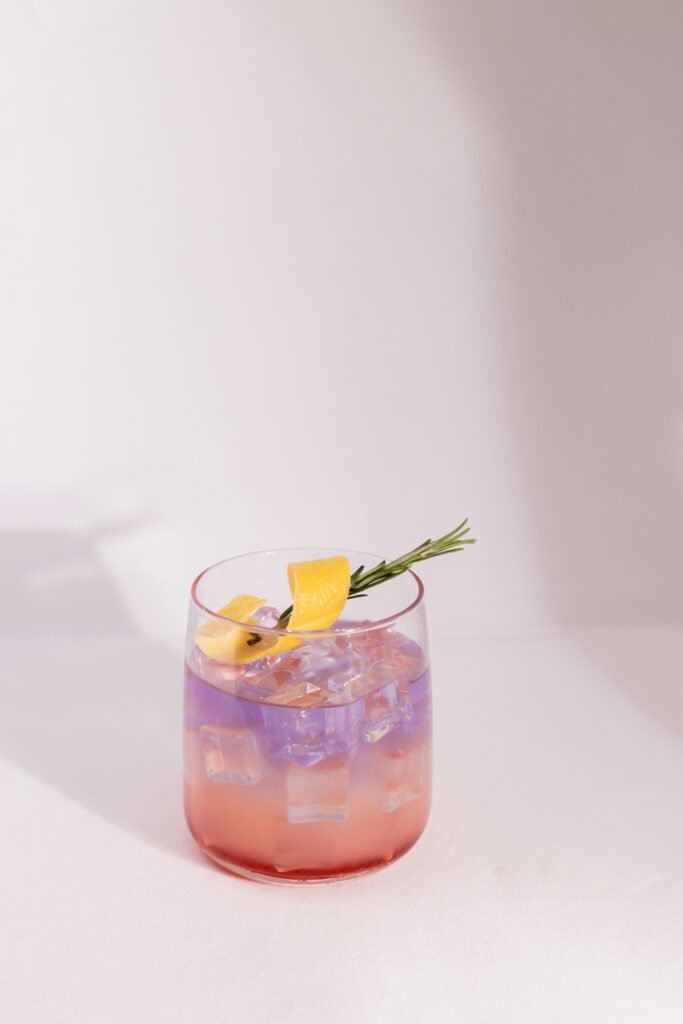
The Quiet Rebellion of Ordering Water First
Nobody announced this shift. There wasn’t a manifesto.
What happened instead was smaller and stranger: bartenders started getting asked, unprompted, “what’s your best non-alcoholic option,” and the question stopped sounding like an apology. The sober curious movement isn’t abstinence with a PR team — it’s a loosening of the assumption that evening relaxation has to run through ethanol at all. Surveys on Gen Z and younger millennial drinking habits have shown a real, measurable pullback from daily or near-daily alcohol use, replaced not with nothing, but with something — adaptogenic sodas, botanical tonics, mushroom-infused nightcaps that taste, depending on the brand, either genuinely good or like a science project that needed one more draft.
The functional mocktail is the physical artifact of that shift. Not a placeholder drink. Not a “virgin” version of something else, defined by absence. A separate category, built around what it adds rather than what it removes.
(And to be clear — nobody in this piece is telling you to quit anything. That’s not the assignment.)
What Two Glasses of Wine Actually Do to Your Sleep
Here’s the part that made me actually pay attention, because I’d always assumed a nightcap helped me sleep. It doesn’t. Or rather — it helps you fall asleep faster and then sabotages the second half of the night, which, in fairness, took me an embarrassingly long time to connect to the 3 a.m. wide-awake staring-at-the-ceiling thing I’d been blaming on stress.
Alcohol is a sedative in the first few hours and a stimulant in the back half. As your liver metabolizes it, blood alcohol drops, and that drop triggers a rebound in norepinephrine — the same chemical involved in the fight-or-flight response. That rebound fragments REM sleep, the stage where memory consolidation and emotional processing happen. You get less of it, and what you do get is chopped into shorter, less useful stretches. Meanwhile alcohol also raises core body temperature and suppresses melatonin release, both of which work against deep sleep architecture generally, not just REM.
There’s an inflammation cost too, and it’s not dramatic — it’s cumulative. Ethanol increases intestinal permeability (the so-called “leaky gut” mechanism), which allows bacterial byproducts into the bloodstream and triggers a low-grade inflammatory response. One glass of wine won’t do much. A regular evening habit, over months, keeps that inflammatory marker baseline slightly elevated — which shows up less as a diagnosis and more as the vague, low mood and puffiness people describe as just “how they feel now,” without connecting it back to the glass.
None of that requires you to feel guilty about wine. It just explains why so many people who switched to functional alternatives report sleeping better within a week or two — they’re not imagining it.
The Ingredients Actually Doing the Work
This is the part worth being precise about, because the wellness aisle is full of vague blends that do very little. The compounds behind genuine functional mocktail benefits mostly converge on one system: GABA, the brain’s primary calming neurotransmitter. Different ingredients get there by different routes.
Functional Ingredient — Dose Spec | Neurological Action
- L-Theanine — 100–200mg | Increases alpha brain wave activity and raises GABA and dopamine availability without sedation; found naturally in green tea, which is part of why tea feels calming rather than sluggish.
- Magnesium Glycinate — 200–400mg | Binds to and regulates NMDA receptors while supporting GABA receptor function; the glycine component itself has a mild calming effect independent of the magnesium.
- Ashwagandha (KSM-66 extract) — 300–600mg | Lowers circulating cortisol by modulating the HPA axis (the stress-response loop between brain and adrenal glands); effects build over days to weeks, not minutes.
- Rhodiola Rosea — 200–400mg | Works more on fatigue recovery than sedation — it modulates serotonin and dopamine turnover, which is why it’s often used earlier in the evening rather than right before bed.
- Reishi Mushroom Extract — 500mg–1g | Contains triterpenes that appear to support parasympathetic (“rest and digest”) nervous system activity; the effect is subtle and cumulative rather than immediate.
- Chamomile / Apigenin — 1–2g dried flower or 400mg extract | Apigenin binds to benzodiazepine receptors in a much gentler way than pharmaceutical sedatives, nudging GABA activity up slightly.
The mechanism difference from alcohol matters here. Alcohol forces GABA activity up crudely, across the whole system, which is why it feels so immediately relaxing and why the rebound is so rough. These compounds work through more specific, gentler pathways — smaller nudges to particular receptors rather than a system-wide flood. Slower onset. No rebound. That trade-off is the entire premise of the category, and it’s also why a functional mocktail doesn’t hit the same as a martini at minute one, which is honestly the most common complaint I hear from people trying this for the first time. It’s not supposed to. That’s not a flaw, it’s a different mechanism entirely — though I’ll admit the first week of adjusting my expectations was a little underwhelming.
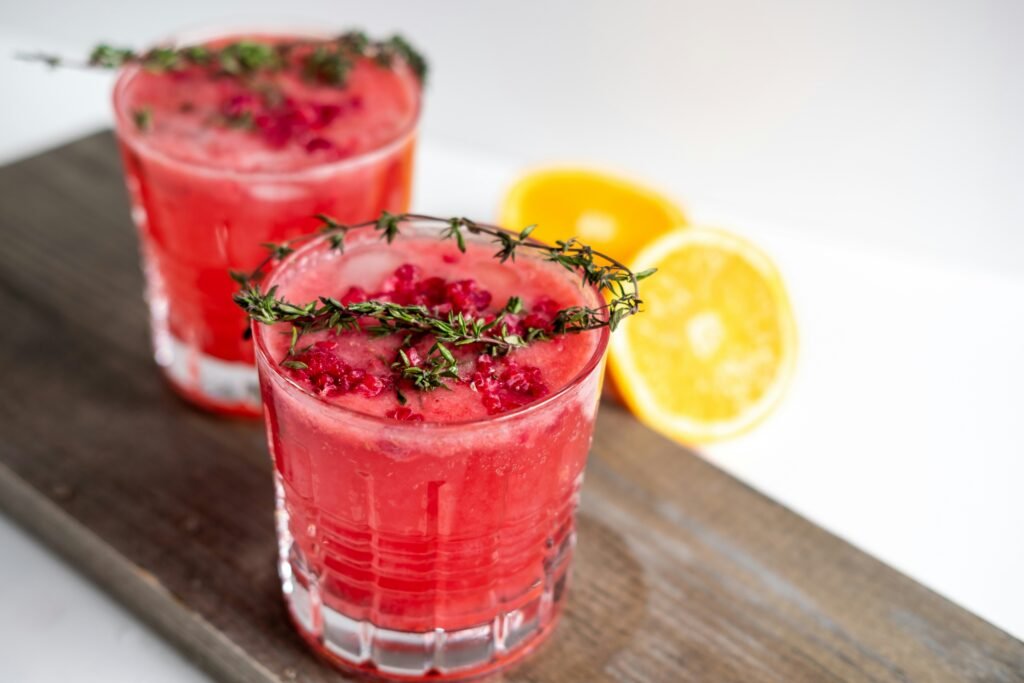
Building a Ritual That Isn’t a Consolation Prize
The DIY version of this doesn’t need to be complicated, and overcomplicating it is exactly how the habit dies after two weeks — I know because that’s what happened the first time I tried.
When unwinding after a high-cortisol day, before it wrecks your ability to fall asleep on time Warm water or decaf tea base, 1/2 tsp ashwagandha powder, a splash of tart cherry juice (a natural, minor melatonin source), stirred — not shaken, it doesn’t dissolve well shaken. Give it ten minutes before you expect to feel anything.
For replacing the social ritual of a drink in hand, at a dinner or gathering Sparkling water, 100–200mg L-theanine (capsule opened into the glass or a pre-dosed tincture), a few dashes of bitters for the aromatic complexity, citrus peel. The point here is textural — the fizz and the glass shape matter almost as much as the ingredients, because a lot of the “drink” ritual is sensory, not chemical.
When the goal is fatigue recovery rather than pure sedation, mid-evening after a demanding day Rhodiola tincture in sparkling water with a touch of honey and lemon. This one’s better earlier — closer to bedtime and it can feel slightly activating for some people, which defeats the purpose.
Before bed, when the day is functionally over and the only goal is sleep Warm water, 300mg magnesium glycinate, a small amount of chamomile extract or strong-brewed chamomile tea. Simplest of the four. Also the one I actually stuck with, which says something.
A small caveat worth including honestly: adaptogens like ashwagandha and rhodiola are not fast-acting. Anyone expecting a cocktail-level buzz on night one will likely be disappointed and give up before the cumulative cortisol effects have had time to build, which typically takes one to two weeks of consistent use.
The Glass Isn’t the Point
Editor’s Note: I don’t think the sober curious movement is really about alcohol at all — I think it’s about people finally noticing that “relaxing” and “numbing” got confused somewhere along the way, and functional mocktails are just the first accessible tool that lets you separate the two. That’s a more interesting story than another wellness trend, and it’s the one worth telling.
How to actually use this, organized by where you are in the evening rather than a rigid clock:
- Evening Transition: Start with L-theanine or ashwagandha immediately after work, before the cortisol from the day has a chance to settle into restlessness.
- Ingredient Pairing: Don’t stack every adaptogen at once — pick one primary compound (ashwagandha or rhodiola) and pair it with one fast-acting one (L-theanine or magnesium) rather than building a five-ingredient stack you won’t remember to buy again.
- Social Settings: Prioritize the sensory ritual — glassware, garnish, carbonation — over the supplement dose; most of what a drink offers socially is textural, not chemical.
- Pre-Sleep: Magnesium glycinate and chamomile, kept simple, closer to bedtime than anything else on this list.
This article is not medical advice, and adaptogens can interact with medications or existing conditions — check with a doctor before adding anything new to a nightly routine, especially if you’re already managing sleep issues or taking prescription medication.
Leave a Reply