A generation that grew tired of shouting over music discovered it could sweat next to strangers instead — no hangover, no bar tab, just heat, ice, and a surprising amount of eye contact. This is the social sauna phenomenon of 2026: part health trend, part nightlife replacement, part accidental therapy session in 90°C cedar rooms. It’s not entirely rational. It works anyway.
The tea had gone lukewarm in my hand, and I was still scrolling — third video in a row of someone dumping themselves into a barrel of ice water, laughing, while steam rolled off a cedar door behind them. I was sitting on a kitchen stool at 11pm on a Friday, the exact hour I used to be putting on shoes to go somewhere loud. Instead I was watching strangers in Toronto and Seoul do the opposite of going out, and feeling, weirdly, like I was missing something.
That’s the moment I started actually reporting this piece instead of just falling down the algorithm.
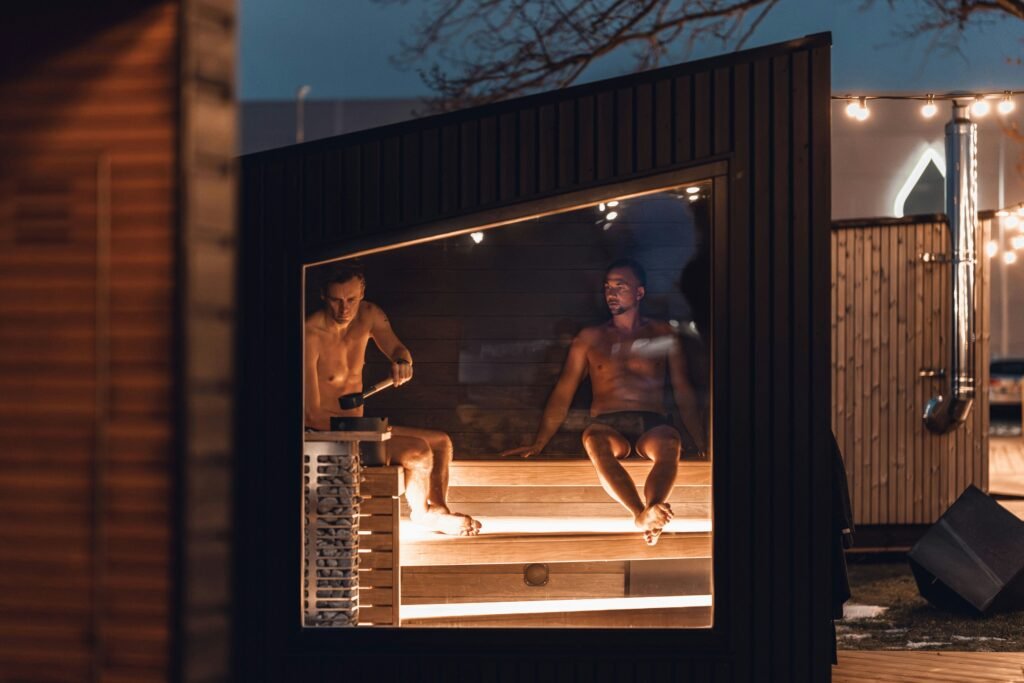
When the group chat says sauna instead of drinks
Ask anyone under thirty-five in a major city right now where the plans are, and there’s a decent chance the answer involves a robe and a locker key rather than a cocktail menu. Othership in New York and Toronto, Remedy Place in LA, Sauna House in Brooklyn, a wave of boutique bathhouses across Tokyo, Seoul, and Singapore — these aren’t spas in the old sense. They’re built like social clubs, with guided breathwork sessions, communal heat rooms, and cold plunge tubs arranged so people face each other, not away.
The pitch is simple, even if the execution is more elaborate than you’d expect: alcohol-free socializing that still delivers a physiological hit. You don’t get drunk. You get, depending on who you ask, something closer to a controlled adrenaline spike followed by a genuine crash into calm. People talk in these rooms — actual conversation, not the kind you have to lean in and repeat three times over a speaker.
I’ll admit I was skeptical the first time a friend described a 90-minute sauna “class” as more social than a dinner party. It sounded like the kind of thing people say to justify a $45 day pass. Then I went, mostly annoyed, and left an hour later having talked to four strangers about nothing important, which — I don’t know how else to put this — felt exactly like the good version of a night out, minus the part where you regret it the next morning.
(There’s also, undeniably, a performative layer to it — the ring lights outside plunge tubs aren’t accidental. I’m not going to pretend that part isn’t happening too.)
Social Sauna Concept — Global Hub | Social & Cultural Mechanism
- Othership (NYC, Toronto) — Guided group heat sessions with instructor-led breathwork | Replaces DJ-led group energy with synchronized nervous system arousal; strangers become temporary teammates
- Remedy Place (LA) — “Social wellness club” membership model, no phones allowed in heat rooms | Removes the scrolling crutch that usually substitutes for conversation at bars
- Tokyo sento-adjacent bathhouses — Late-night hours, communal soaking culture reframed for a younger demographic | Taps existing bathing infrastructure rather than building nightlife-style venues from scratch
- Seoul jjimjilbang-style clubs with modern rebrands | Multi-generational heat culture repositioned as a Gen Z and millennial social default
- Singapore boutique thermal lounges | Positioned explicitly as the alcohol-free answer to a famously expensive drinking scene
For understanding what 90°C actually does to a body used to standing around a bar
Here’s where it stops being lifestyle content and starts being, genuinely, biology.
When you sit in a sauna at 80–100°C, your body treats it as a mild, controlled stressor — not unlike a low-grade fever. In response, cells start producing what are called heat shock proteins, which help repair misfolded or damaged proteins throughout the body. This process has been linked in research to improved cardiovascular markers over repeated sessions: better vascular function, lower resting blood pressure in some studies, reduced inflammation. It’s not a myth dressed up in Kinfolk lighting — the mechanism is real, even if the marketing sometimes oversells the speed at which you’ll notice it.
What nobody tells you, or at least nobody told me, is how long it takes before the heat stops feeling like an ordeal and starts feeling almost boring, in a good way. My first three sessions I was watching the clock. By the fifth, I’d lost track entirely, which apparently is the point — the nervous system settling into something closer to rest, even while your heart rate climbs.
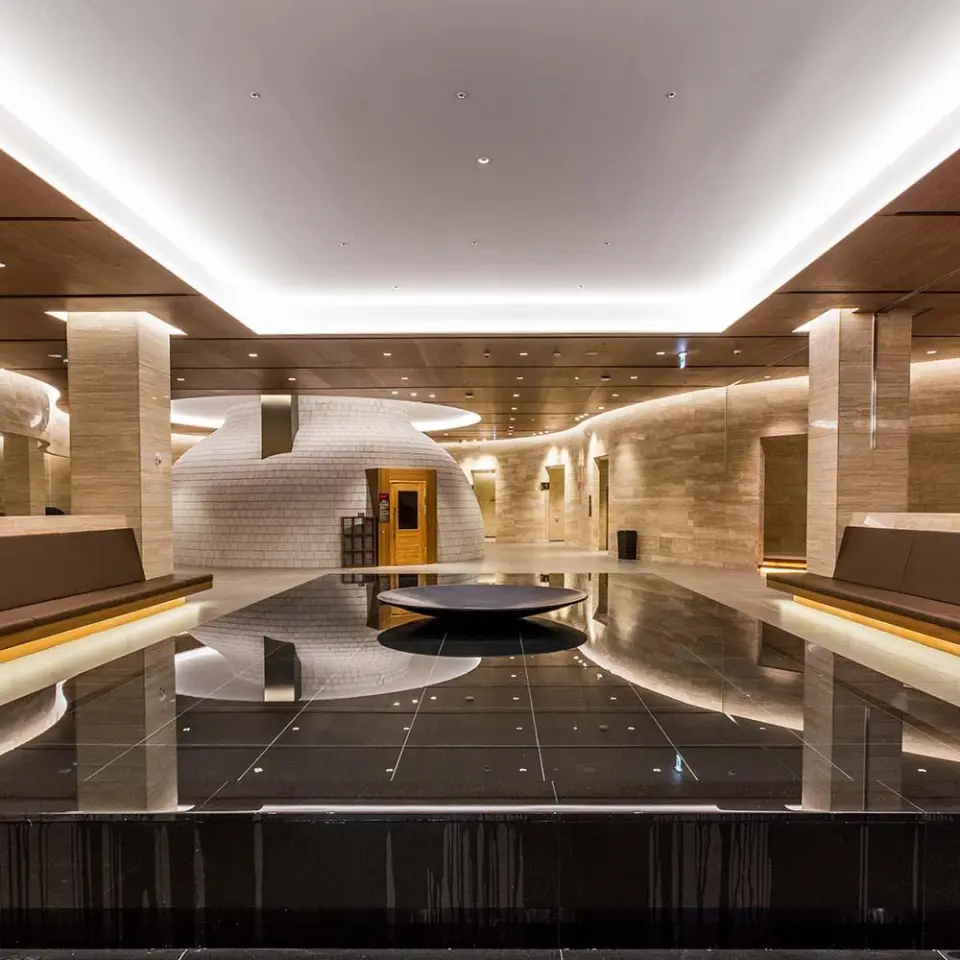
Managing the drop — cold plunge and the dopamine spike nobody warns you about
Then the cold.
This is the part that gets the views, understandably, because it looks dramatic and it feels dramatic. Stepping into water between 4–10°C triggers a genuine stress response — cortisol and adrenaline spike immediately, your breath goes ragged whether you want it to or not. But what follows, once you’re out and dry, is a documented dopamine increase that some researchers have measured at roughly 250% above baseline, sustained for hours rather than minutes. That’s a longer, gentler high than most recreational substances offer, and it doesn’t come with a comedown that involves regret texts.
The other mechanism worth knowing: the shock of cold immersion, when done with a slow controlled exhale rather than a gasp, activates the vagus nerve — the body’s main “rest and digest” regulator. Done right, contrast therapy isn’t just heat-then-cold as a novelty. It’s a rehearsal in tolerating discomfort and then actually calming down afterward, which, if you think about it for more than a second, is a skill a lot of us lost somewhere around age twenty-two.
I still can’t do more than about forty seconds in the plunge without audibly swearing. A sauna regular I met told me that’s normal for at least the first two months. Whether that’s true or just something people say to make beginners feel better, I genuinely don’t know.
Thermal Contrast Metric — Exposure Range | Biological Mechanism
- Heat exposure — 15–20 minutes at 80–100°C | Heat shock protein synthesis; vascular dilation; cardiovascular conditioning over repeated sessions
- Cold plunge — 2–4 minutes at 4–10°C | Adrenaline and cortisol spike, followed by a dopamine increase of roughly 250% above baseline
- Contrast cycling — 3 to 5 rounds of heat-to-cold alternation | Vagus nerve activation via controlled breath during the cold phase; trains rapid autonomic recovery
- Rest interval — 5–10 minutes between rounds, seated, at room temperature | Allows heart rate to normalize before the next stress cycle; prevents overtraining the nervous system
Building your own contrast ratio without wrecking your nervous system
This is the part people skip, and it’s the part that actually matters if you’re going to do this more than twice.
For a first-timer easing in without overdoing it:
- One round only. Ten minutes of heat, thirty seconds of cold, done.
- Skip the plunge entirely on day one if the heat alone leaves you lightheaded — this happens more than the marketing suggests.
For replacing a Friday night out with something that still feels social:
- Book the group session, not the solo slot — the conversation is the actual substitute for the bar, not the temperature.
- Eat something with real food value beforehand; sauna culture has a habit of treating hydration as optional, which it isn’t.
For managing contrast ratios once your tolerance builds:
- Work toward three to four rounds, heat-to-cold, with full rest between each.
- Exhale slowly on cold entry instead of gasping — this is the single biggest lever for actually getting the vagal calming effect rather than just enduring the shock.
None of this is exact science tailored to your body specifically — a cardiologist I’d trust more than an app for anything involving a real heart condition. But as a general framework, it holds up.
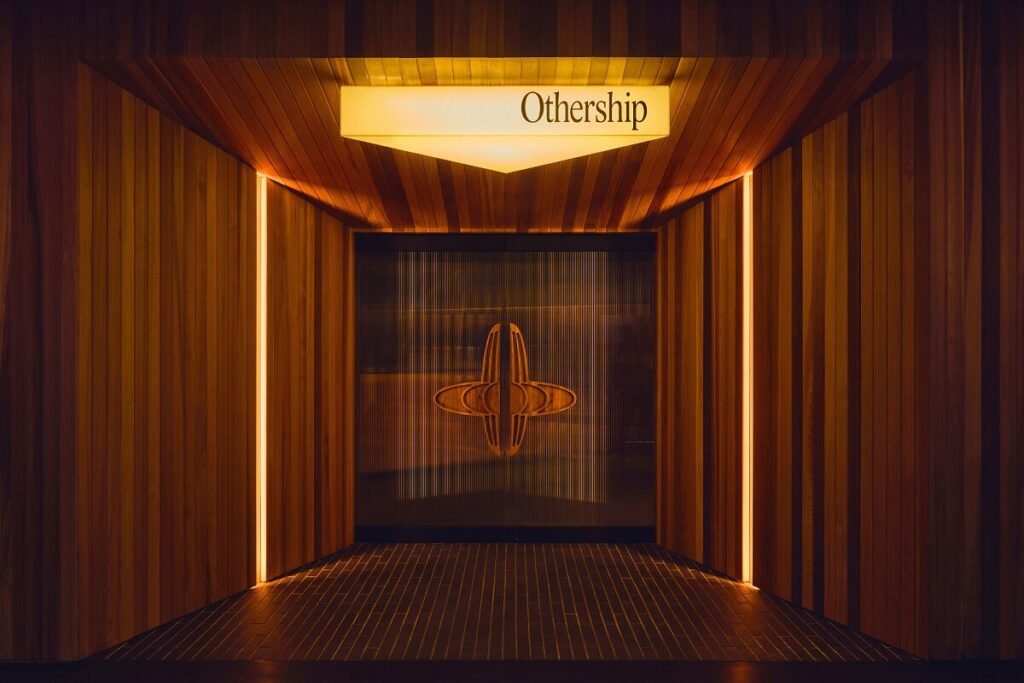
Why This Isn’t Just Wellness Theater (Or: What’s Actually Replacing the Bar)
Editor’s Note: I think the sobriety angle gets oversold and the social engineering gets undersold. Nobody’s quitting drinking because heat shock proteins convinced them at a cellular level — they’re quitting because a sauna room, unlike a bar, doesn’t get louder as the night goes on, and that alone might be the more radical shift than any of the biology.
How to actually apply this:
- Social transition: Swap one drinking night a week for a group sauna session before trying to replace the habit entirely — going cold turkey on nightlife rarely sticks, going gradual does.
- Heat-to-cold ratios: Start at a single round, build toward three or four over a few weeks, never chase someone else’s tolerance in the room.
- Hydration: Electrolytes before and after, not just water — heat sessions pull more than plain water can replace on its own.
- Timing: Evening sessions closer to when you’d normally be heading out tend to stick better as a genuine substitute, not just an add-on habit.
This piece reflects general wellness reporting, not medical advice — anyone with cardiovascular conditions, pregnancy, or heat sensitivity should talk to an actual doctor before treating a cedar room like a nightclub.
Leave a Reply