This is the fridge-toner-pad routine we keep coming back to at RAWZY, the one that takes three minutes and actually does something measurable to a flushed face. It’s not a miracle, it’s a mechanism — cold pulls blood vessels back in, panthenol and aloe keep them there. We tested it after a very unglamorous afternoon of yard work, wrote down what worked, and left out what didn’t.
There’s a cotton pad stuck to my index finger and I’m standing in front of the open fridge trying to remember if I put the toner on the door shelf or behind the eggs. My face is doing that thing where it feels tight and hot at the same time, like a sunburn that hasn’t fully committed to being a sunburn yet. This happens roughly four times every July, always after I’ve told myself “just twenty more minutes” in the garden, and always around 4pm, when the light is at its worst angle and I’ve stopped noticing.
Sun-flushed skin isn’t really about the sun once you’re indoors again. It’s about what your blood vessels are still doing in response to it.
Why your face stays hot after you’ve already come inside
Heat exposure — direct sun, but also just ambient summer heat — triggers vasodilation, which is a fancy way of saying the small blood vessels near the surface of your skin widen. This is your body trying to dump heat, and it’s mostly working as intended. Blood carries heat to the surface, the surface releases it into the air, you cool down. Except the surface in question is your face, and widened capillaries plus a slightly compromised skin barrier equals redness, that hot-to-the-touch feeling, and sometimes a low simmer of inflammation that outlasts the actual sun exposure by an hour or two.
This is different from a sunburn in the damage sense — though the two often show up together, and if there’s peeling or blistering, that’s a separate conversation with actual medical implications, not a fridge-pad situation. What we’re addressing here is the flush: the temporary vascular response, the surface heat, the tightness. It responds well to cold and to specific soothing actives. It responds badly to anything with fragrance, alcohol, or a scrub in it, which — worth saying — I did not know for a long time and used a toner with denatured alcohol on a sun-flushed face more than once before someone (my dermatologist, mildly exasperated) told me to stop.
When you’ve just come in from outside and your face is still radiating heat
This is the moment for actual cold, not lukewarm water and hoping. Splashing your face with cool tap water helps a little but the effect fades in minutes because tap water isn’t cold enough to meaningfully constrict the vessels and it evaporates before it does much.
The fridge toner pad routine exists because it solves this specific problem with something most people already own.
Cold-Soaked Cotton Pads — 3 to 5 minutes in the fridge before use | Rapid vasoconstriction via direct thermal contact, temporarily narrowing dilated capillaries near the skin’s surface
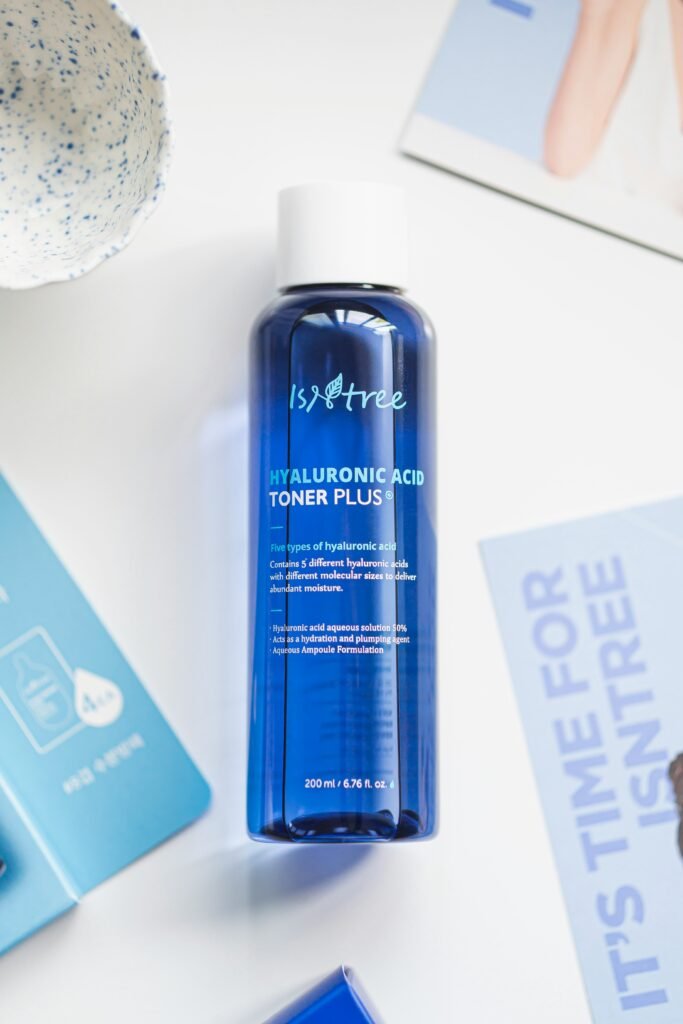
Soak cotton rounds in a fragrance-free, alcohol-free toner — something with glycerin or a light humectant base, nothing exfoliating — and lay them flat in a small dish or sealed bag in the fridge. Three minutes is genuinely enough; longer doesn’t hurt but it’s not doing extra work either, since the pad’s already at fridge temperature by then. Press them gently onto cheeks, forehead, and the bridge of the nose. Don’t rub. (I ruined an entire afternoon once by “helping” the process along and pressing too hard, which just irritates already-sensitive skin — gentle contact is the whole point.)
Chilled Metal Roller or Spoon — near-freezing surface, applied in short passes | Conductive cooling that draws surface heat away faster than air alone, without the moisture of a wet pad
If you don’t have toner on hand, two spoons in the freezer for ten minutes do a rough version of the same job. Less elegant, still effective, and honestly what I do on the days I forgot to prep anything.
A Cool (Not Ice) Compress — damp cloth, cold tap or fridge water | Gradual vessel constriction with lower risk of the rebound redness that ice can sometimes cause
Ice sounds like the obvious answer and it’s actually the wrong one for a full flush — it’s too aggressive, can cause a rebound rush of blood once removed, and doesn’t sit well against already-stressed skin. Cool, held for longer, wins here.
For calming the redness after the initial heat has already dropped
Once the surface temperature is back to normal — usually ten to fifteen minutes after the cold pads, give or take — the skin is often still red and a little reactive, even though it doesn’t feel hot anymore. This is the window for soothing actives rather than more cold.
Aloe Vera Gel — pure or near-pure, refrigerated | Polysaccharides and mild anti-inflammatory compounds that reduce redness and support hydration at the barrier level
Use the real stuff if you can, not the neon green kind with added fragrance and alcohol far down the ingredient list, which — I’ll admit — is what I grabbed for years before actually reading the back of the bottle. Straight aloe, kept in the fridge, does double duty: it’s cold on contact and it calms the skin chemically, not just thermally.
Panthenol (Pro-Vitamin B5) — lightweight serum or gel-cream, 1–5% concentration | Converts to pantothenic acid in skin, supporting barrier repair and reducing transepidermal water loss without heavy occlusion
This is the one that actually surprised me. Panthenol doesn’t feel like it’s doing much in the moment — no tingle, no cooling sensation — but skin that’s had it applied after a flush tends to look less blotchy by the next morning, which I only noticed after using a panthenol gel for about two weeks straight and comparing photos, somewhat unscientifically, on my phone.
Niacinamide — lower concentrations only (2–5%), avoided if skin is actively stinging | Supports barrier function and can reduce visible redness over time, though it’s better suited to maintenance than acute flushing
Worth naming because it gets recommended constantly, but it’s not the right tool for the acute moment — save it for your regular routine, not the ten minutes after you’ve come in from the sun. On freshly flushed skin it can sting, which somewhat defeats the purpose.
When the redness has calmed but the skin still feels tight or dry
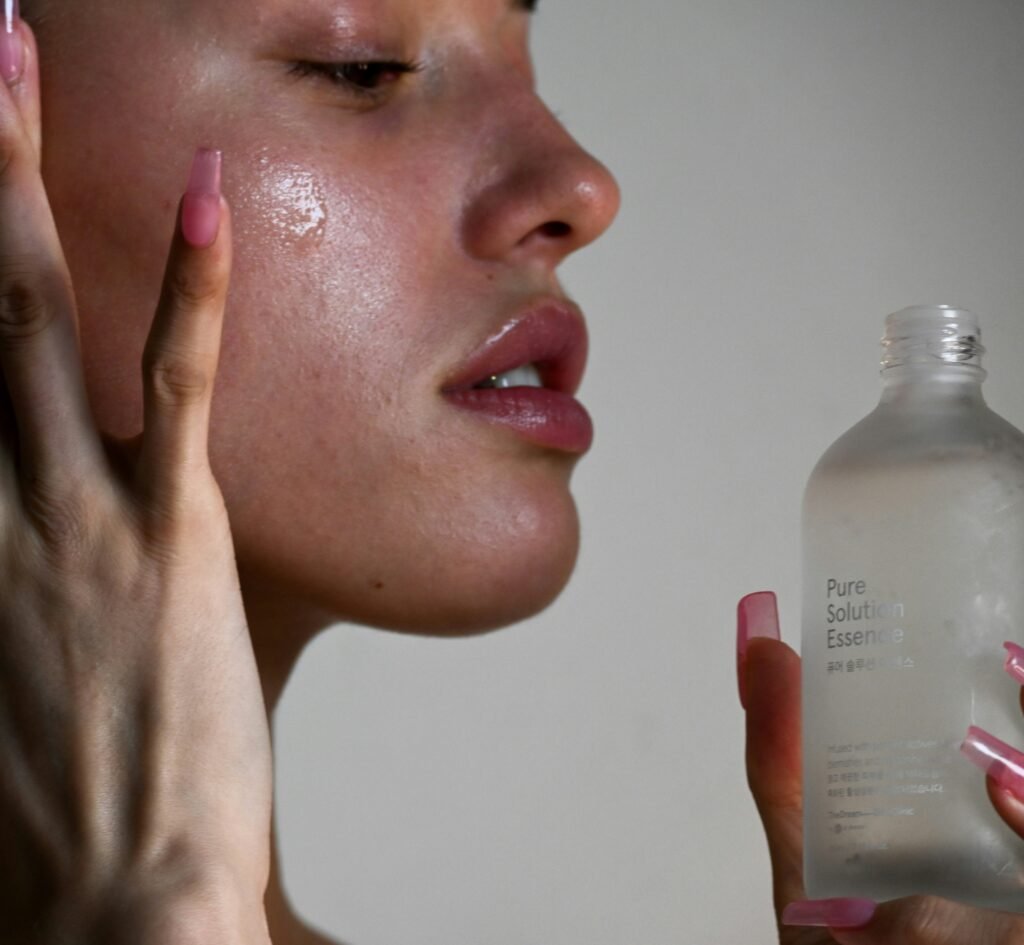
This is where a lot of people overcorrect and pile on something heavy — a thick balm, a rich night cream — because tight skin reads as “needs more product.” Often what it actually needs is water content, not oil content.
A lightweight gel-cream, applied while the skin is still slightly damp from the aloe or panthenol step, traps in that moisture without adding an occlusive layer on top of skin that’s already working overtime to regulate its own temperature. Heavier creams aren’t wrong exactly, they’re just better suited to bedtime, once the flush has fully settled and the skin isn’t still doing thermal work.
A Word Before You Reach for the Ice Tray
Editor’s Note: Everyone reaches for ice first and I think it’s the wrong instinct — ice is satisfying but it’s a blunt instrument, and blunt instruments on already-irritated skin tend to cause a second, smaller problem while solving the first one. Cold, yes. Cold and gentle, always. The fridge toner pad isn’t a trend, it’s just correctly-calibrated cold, and that distinction matters more than any of the products sitting behind it.
How to apply this:
- 3-Minute Chill: Soak cotton pads in alcohol-free toner, refrigerate 3–5 minutes, press (don’t rub) onto cheeks and forehead.
- Gentle Application: Layer pure aloe vera gel or a panthenol serum directly after, while skin is still cool and slightly damp.
- Barrier Moisture Locking: Finish with a lightweight gel-cream, saving heavier balms for after the flush has fully settled, usually before bed.
- Skip-Entirely List: Direct ice, alcohol-based toners, exfoliating acids, and fragranced products until the redness has fully subsided.
This piece covers general summer skin comfort, not sunburn treatment or medical dermatology — if there’s blistering, fever, or pain beyond surface redness, that calls for a doctor, not a cotton pad.
Leave a Reply